Boynton Beach Custom Homes: Design Trends and Build Tips
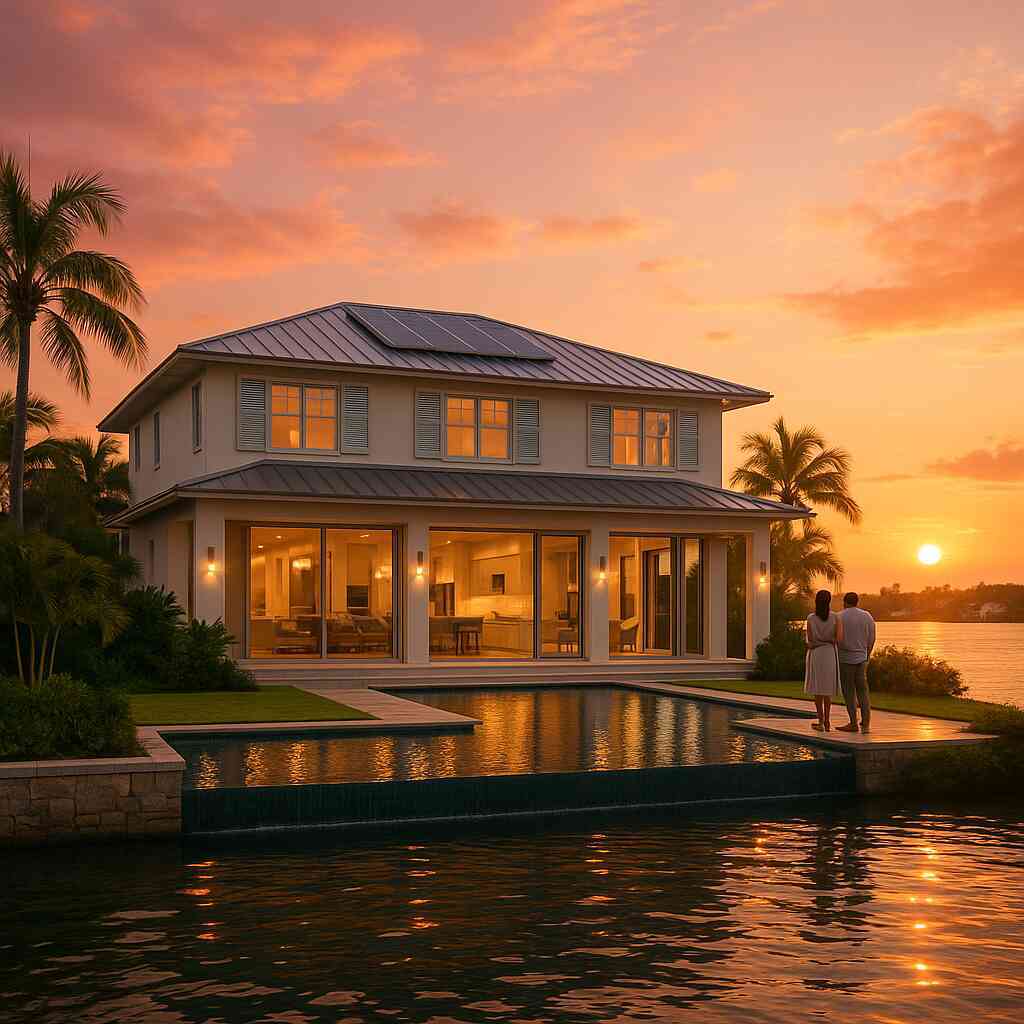
Coastal Living, Tailored to You
Custom home building in Boynton Beach pairs ocean-side ambiance with modern engineering. This guide looks at emerging design trends, best-practice construction details, and practical steps for anyone considering a one-of-a-kind residence in 2025.
1. Architectural Language: Modern Meets Key West
Boynton Beach designers are blending low-slope roofs and wide soffits with classic Bahama shutters. The mix delivers a crisp contemporary silhouette while still nodding to local vernacular. Key points:
- Hurricane resilience first. Impact-rated windows and reinforced roof assemblies are now standard rather than upgrades.
- Open lines of sight. Pocketing glass sliders disappear into walls, creating a single continuous space from kitchen to pool deck.
- Breezeway logic. Floor plans align major rooms on an east–west axis to capture prevailing coastal winds and reduce mechanical cooling loads.
2. Interior Layouts Built Around Lifestyle
Custom construction lets homeowners choreograph each square foot. Popular requests in 2025 include:
- Ground-floor owner suites for aging in place.
- Hidden home offices with acoustic insulation for video calls.
- Convertible media lounges that double as guest quarters when family visits.
- Walk-through pantries linking garage drop zones to the main kitchen, easing grocery runs.
3. Smart, Sustainable, Comfortable
Technology is folding seamlessly into the structure rather than feeling like an add-on.
- Adaptive lighting scenes mirror natural circadian rhythms, shifting color temperature throughout the day.
- High-SEER heat pumps integrate with whole-house dehumidification chases tucked inside interior walls.
- Solar-ready roofs route conduit during framing, simplifying future panel installation.
- Reclaimed cypress trim, low-VOC cabinets, and insulated concrete forms (ICFs) all support LEED-minded goals without sacrificing style.
4. Working With a Boynton Beach General Contractor
A licensed builder who also offers design-build services keeps accountability in one place. Expect the following workflow:
- Vision session. Homeowner preferences, budget bands, and site conditions are captured in a written program.
- Schematic sketches. Rough plans illustrate massing, view corridors, and major structural choices.
- Pre-construction agreement. The team sets allowances, target timelines, and a clear change-order process.
- Weekly site walks and photo logs. Cloud-based schedules make progress and delays transparent.
- Post-occupancy tune-ups. Minor adjustments to door swings, irrigation timers, and HVAC balancing are common in the first year.
Transparent communication is the thread that keeps these steps stress-free.
5. Waterfront Lot Nuances
Building on the Intracoastal adds layers of permitting and engineering.
- Setback calculations begin at mean high-water lines, not property pins on the plat map.
- Deep-driven concrete piles counteract soil scour from boat wakes and tidal shifts.
- Elevated mechanical rooms move air-handlers above base flood elevation, protecting equipment and lowering insurance costs.
- Native mangrove swales double as natural erosion control and a point scorer with local review boards.
Proper planning preserves view corridors while safeguarding the shoreline ecosystem.
6. Cost and Long-Term Value
Custom homes typically carry a higher initial outlay than production builds, yet they also deliver tangible returns:
- Energy savings. Tight envelopes and efficient mechanical systems reduce monthly utility bills.
- Insurance advantages. Superior roof fastening and impact glass lower premiums in wind-borne debris zones.
- Appreciation. Unique architecture and documented quality often outperform tract homes on resale.
7. Key Steps for Prospective Owners
- Assess the land first. Soil reports, tree surveys, and flood maps guide everything that follows.
- Prioritize must-haves. Separate essential features from nice-to-have upgrades to keep budgets realistic.
- Choose a collaborative team. Architect, builder, and interior designer should meet together early.
- Plan for the future. Rough-in conduits and structural blocking now to simplify later renovations or aging-in-place modifications.
- Document every decision. Detailed specifications prevent confusion once construction ramps up.
Closing Thought
A custom Boynton Beach home is more than an address; it is a finely tuned response to climate, lifestyle, and personal taste. By balancing coastal vernacular with forward-thinking technology, today’s builders craft spaces that stand strong against storms while offering quiet luxury every day. Understanding the trends and process outlined here can help you approach the journey with clarity and confidence.
Exploring the Dynamics of Custom Home Building in Boynton


Comments
Post a Comment