Choosing Delray Beach Construction Experts: Complete Guide
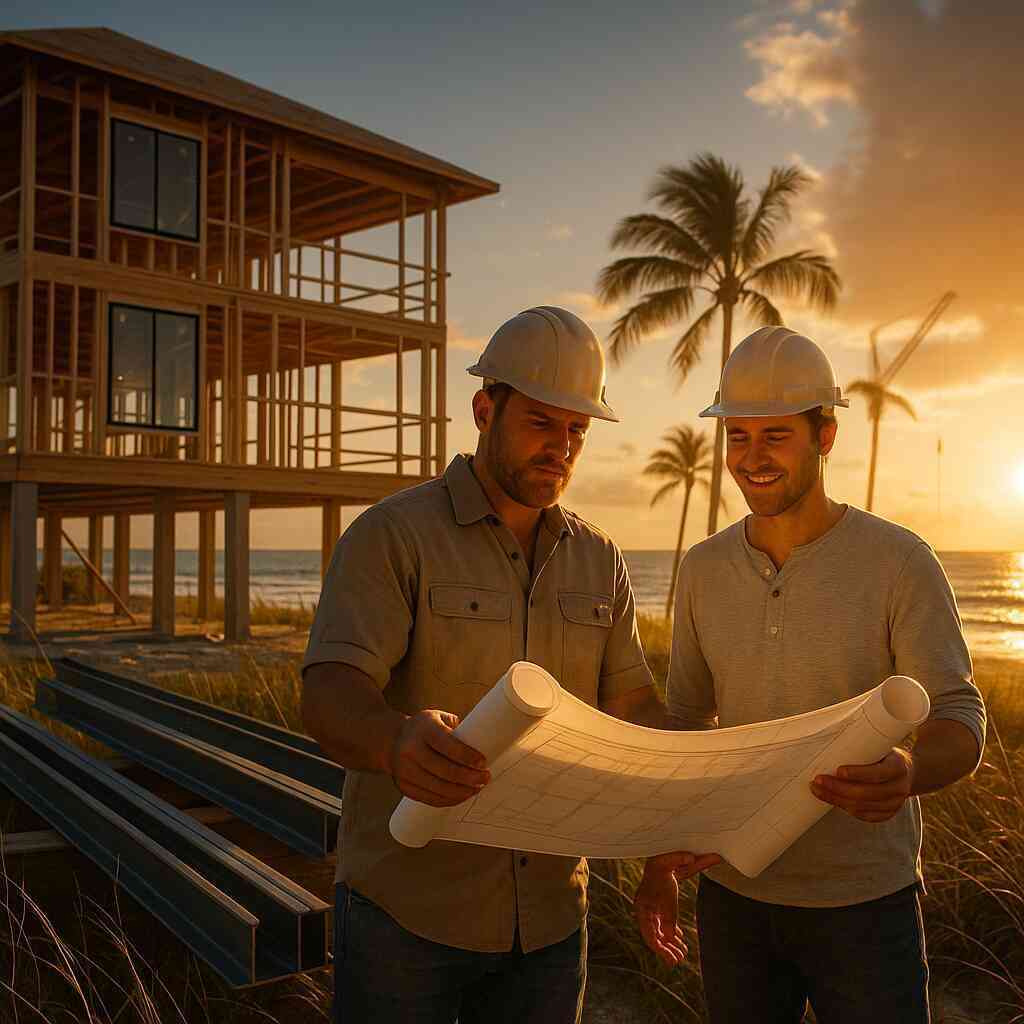
Selecting the Right Delray Beach Construction Experts
Every successful build in Delray Beach starts with one decision: who will lead the work. The contractor you hire controls budget, schedule, code compliance, and ultimately the value of the finished property. This guide breaks down the key factors homeowners should evaluate before signing a construction contract.
1. Local Knowledge Makes or Breaks a Coastal Project
Delray’s sandy soils, high humidity, and hurricane exposure create challenges unknown to builders who work inland. Seasoned Delray Beach construction experts understand:
- Soil bearing capacity near the Intracoastal Waterway and what type of foundation reinforcement it requires.
- The subtle impact salt-laden air has on fasteners, exterior metals, and HVAC equipment.
- Neighborhood design patterns that can influence HOA review or historic‐district approval.
With this background they can anticipate issues instead of reacting to them, saving time and preventing expensive change orders.
2. Verify the Paperwork First
Before looking at floor plans or finish samples, confirm the business side is solid.
- State license: Ask for the contractor’s license number and verify it online. The search will show standing, complaints, and disciplinary actions.
- Insurance: Request certificates for general liability and workers’ compensation. Check that policy limits cover the total value of your project.
- Bonding capacity: For larger custom homes, a performance bond adds another layer of protection if the builder cannot complete the job.
A reputable firm will supply documents quickly and without hesitation.
3. Hurricane-Ready Design Is Non-Negotiable
Current wind-load codes in Palm Beach County require reinforced connections from the roof sheathing all the way down to the footings. Look for builders who routinely specify:
- Impact-rated windows and doors tested for missile resistance.
- Continuous load paths using metal straps, hurricane clips, and anchor bolts.
- Elevated slabs if the lot sits in a flood zone.
- On-site generators or battery storage to keep critical circuits powered after a storm.
These details protect lives, lower insurance premiums, and preserve resale value.
4. Define Scope Before Asking for Prices
A clear scope prevents misunderstanding later. Hold a discovery meeting and discuss:
- Target square footage, bedroom count, and ceiling heights.
- Mechanical needs—extra amperage for gourmet kitchens or electric vehicles.
- Lifestyle must-haves such as outdoor kitchens, elevators, or adaptable aging-in-place features.
After goals are documented, the builder can deliver an itemized estimate that aligns with your expectations.
5. Compare Apples to Apples on Budget Estimates
Two proposals may have similar bottom lines yet differ widely in allowances and assumptions. Review each line item:
- Sitework: Does the number include soil import, dewatering, or unexpected pilings?
- Finishes: Are cabinets budgeted at a builder grade or a custom millwork level?
- Contingency: A realistic reserve of 8-10 % cushions surprises without constant change orders.
Request written clarifications for any vague description such as “premium flooring” or “midrange appliances.”
6. Sustainability Adds Long-Term Value
Energy-efficient construction has moved from trend to standard practice. Knowledgeable Delray Beach contractors often recommend:
- Closed-cell spray foam that blocks humid air infiltration.
- Solar-ready conduit from roof to electrical panel even if panels will be added later.
- Native, drought-tolerant landscaping to cut irrigation demand.
- Low-VOC paints and adhesives that keep indoor air healthier.
These upgrades reduce operating costs and help a home stand out in future resale listings.
7. Evaluate Communication Styles Early
Construction is a months-long collaboration, so a compatible communication rhythm matters. Pay attention to:
- Response time: Does the builder reply to questions within one business day?
- Transparency: Are schedules and cost reports shared digitally so you can check progress anytime?
- Problem-solving approach: When presenting an obstacle, do they propose actionable solutions or simply flag the issue?
Positive signs during pre-construction often predict smoother interactions once demolition begins.
8. Understand the Contract Essentials
A solid contract should include:
- Detailed scope of work with referenced architectural drawings.
- Payment schedule tied to milestones such as dried-in shell or cabinet installation.
- Change order process outlining how cost and time impacts will be approved.
- Warranty terms that meet Florida Statute requirements for structural integrity.
Never rely on verbal agreements. If it matters, it belongs in writing.
9. Watch for Red Flags
- Requesting more than a 10 % deposit before mobilization.
- Pressure to skip the permit process to “save time.”
- Unwillingness to provide past-client references.
- Vague answers about who will actually supervise the job site.
One or two warning signs should prompt a deeper review; multiple signals justify walking away.
10. Final Checklist Before You Sign
- [ ] Verified active license and insurance
- [ ] Reviewed line-item budget with realistic allowances
- [ ] Confirmed hurricane-ready structural details
- [ ] Defined sustainable features you want priced
- [ ] Received three client references and visited at least one finished project
- [ ] Read and understood the full contract, including warranty and schedule
Completing this checklist positions you for a smoother build, fewer surprises, and a home engineered to thrive in Delray’s coastal climate.
Choosing a construction partner is the single most influential decision in any residential project. By focusing on qualifications, transparency, and communication, you set the stage for a secure investment and a home that serves your family for decades.
Ultimate Guide to Selecting Delray Beach Construction Experts


Comments
Post a Comment