Delray Beach Custom Homes: Coastal Luxury Reimagined Design
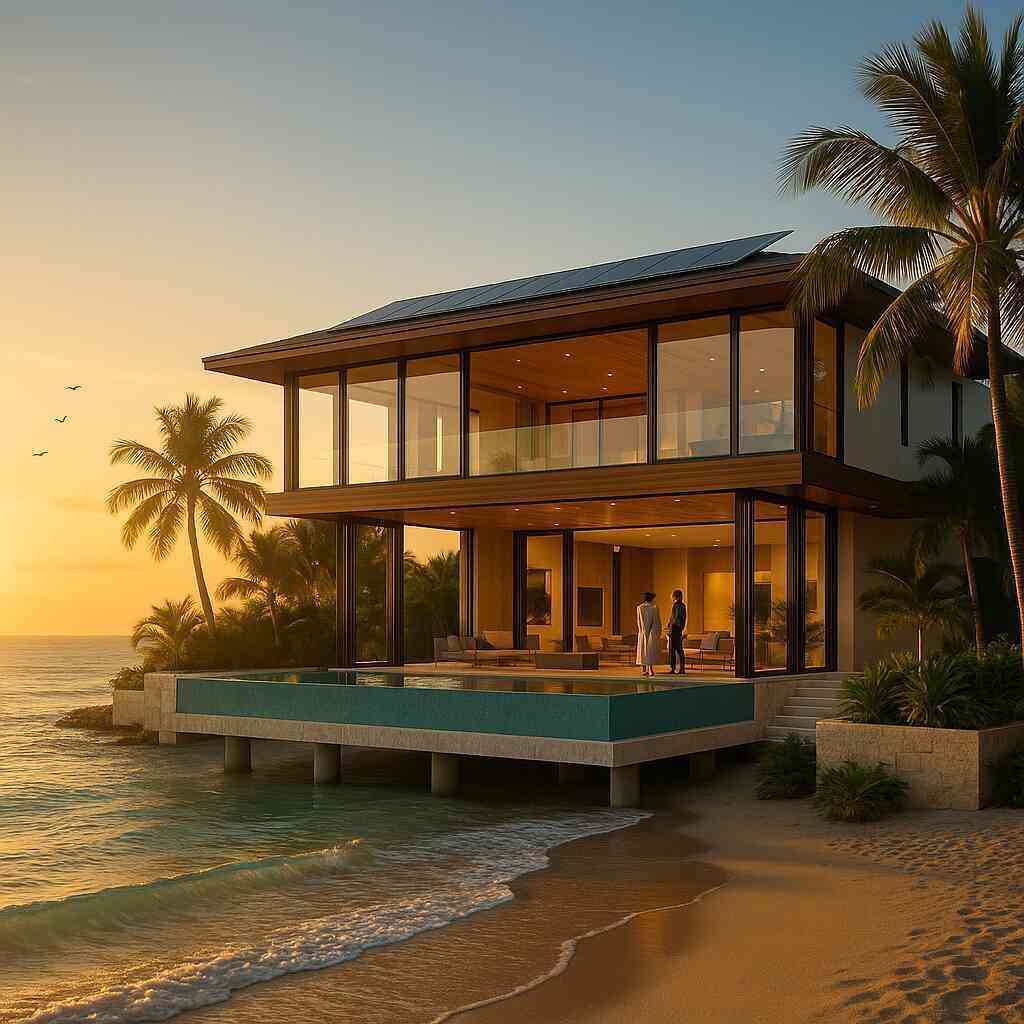
Why Delray Beach Sets the Scene
Bright Atlantic light, warm Gulf Stream currents, and a walkable downtown give Delray Beach a character all its own. When those ingredients merge with custom residential design, the result is a coastal lifestyle that feels effortless yet highly crafted. This overview looks at the details that elevate a Delray Beach custom home beyond the ordinary—from site planning to the final layer of handcrafted millwork.
1. Building Around the Shoreline
Listening to the Land
Great coastal architecture starts with orientation. Designers study sunrise, prevailing winds, and dune vegetation before a wall is drawn. In Delray Beach, that means:
- Placing primary living areas east-west so morning light floods kitchens and great rooms.
- Positioning deep roof overhangs on the south side to tame summer heat while still welcoming winter sun.
- Preserving native sea grapes and saw palmettos that stabilize the sand and create privacy without fences.
Thoughtful siting also protects against storm surge. Most luxury projects rest on auger-cast pilings or reinforced stem walls that lift the finish floor well above flood grade. Done correctly, these structural moves disappear once landscaping softens the perimeter, leaving visitors focused on the ocean rather than the engineering.
2. Architecture Meant for Everyday Living
Elevated Ceilings With Purpose
Volume ceilings are popular everywhere, yet they serve a specific function on the South Florida coast: promoting natural ventilation. A 12-to-14-foot great room allows warm air to rise and exit through clerestory windows, reducing the strain on mechanical systems. Properly designed soffits prevent glare, so glass walls stay open all afternoon without the need for heavy drapery.
Seamless Indoor-Outdoor Flow
Sliding panels that pocket completely out of sight allow a living room to double in size when weather cooperates—which is most days in Delray. Designers often align those openings with a covered terrace, then continue the interior flooring outside for a true, flush transition. The eye perceives one large space, while the mind registers barely noticeable thresholds.
Authentic Materials
White stucco and standing-seam metal remain staples, but owners are asking for more tactility in 2025. Expect to see:
- Oiled ipe or thermally modified ash ceilings that contrast crisp walls.
- Honed shellstone floors that stay cool under bare feet.
- Hand-made zellige tile as a subtle bridge between coastal and contemporary aesthetics.
These finishes weather gracefully, so the home gains character instead of looking dated.
3. Engineering for Resilience
High-Impact Glazing
Local code requires windows that resist 10,000-cycle impacts, yet high-end builds go further: laminated, low-iron glass in heavy-duty aluminum or steel frames. The payoff is 270-degree views with hurricane peace of mind. Motorized shutters or smart sensors can seal openings automatically when barometric pressure drops, adding a layer of protection without visible hardware.
Structural Redundancy
Steel moment frames often hide inside plastered columns or wood-wrapped beams. They absorb lateral loads while allowing the open floor plans clients crave. Because salt air corrodes unprotected metal, engineers specify hot-dip-galvanized steel or epoxy-coated rebar for longer service life.
Efficient Building Envelopes
Humidity never rests in South Florida, so walls incorporate closed-cell foam, continuous exterior insulation, and ventilated rainscreens. Besides cutting energy bills, these assemblies reduce the chance of mold—an essential safeguard for second-home owners who may leave the house unoccupied for weeks.
4. Interior Design Rooted in Place
Color Palettes Inspired by Nature
Delray interiors tend to echo the coastline rather than compete with it. Soft whites and warm taupes dominate large surfaces, letting accent pieces—indigo linen, coral stone, oxidized brass—add depth without feeling thematic. Light finishes also bounce the intense Florida sun deeper into the room, trimming artificial lighting needs.
Craft Over Excess
Luxury today is less about square footage and more about thoughtful details. Expect:
- Concealed door jambs that create art-gallery clean lines.
- Built-in banquettes that invite lingering after sunset.
- Custom cabinetry with integrated pulls, highlighting wood grain instead of hardware.
5. Technology You Don’t Notice
Whole-home automation is common, yet the best systems fade into the background. Scenes might raise shades at 7 a.m., tune HVAC set-points when windows open, and monitor humidity in the wine room—all without a wall cluttered by switches. Remote dashboards give traveling owners confidence while the home looks after itself.
6. Sustainable Choices With Long-Term Payoff
LEED certification is optional, but many Delray builds adopt similar standards:
- High-seer variable-speed HVAC paired with energy-recovery ventilators.
- Low-flow fixtures that cut water use by 20-30% without sacrificing pressure.
- Solar-ready roof conduits, even if photovoltaic panels are added later.
- Native landscaping that requires minimal irrigation once established.
These moves shrink utility costs and extend component life, supporting both the environment and the owner’s investment.
7. The Construction Experience
Collaborative Project Management
A boutique builder typically assigns one construction manager from groundbreaking to move-in. Weekly site walks—virtual or in person—keep decisions timely and budgets transparent. Cloud-based dashboards let clients approve change orders, track delivery dates, and see real-time photos, making the process feel organized rather than overwhelming.
Artisans at the Forefront
Delray’s creative community includes millworkers, metal fabricators, and tile artists who have honed their craft on oceanfront estates for decades. Builders that nurture those relationships deliver finishes impossible to replicate with mass-produced components. The difference shows up in dovetailed drawers, hand-troweled plaster, and stair railings that read like sculpture.
8. Key Takeaways
- Start with the site: orientation, vegetation, and elevation guide every decision that follows.
- Design for breezes and daylight before adding square footage.
- Specify resilient materials—from impact glass to galvanized steel—so beauty endures.
- Favor natural textures and local artistry over trend-driven finishes.
- Use technology to enhance comfort quietly, not showcase gadgets.
- Choose a builder who communicates often, values craftsmanship, and understands coastal codes.
When those principles align, a Delray Beach custom home becomes more than a residence. It acts as a living extension of the shoreline—welcoming yet protected, luxurious yet grounded in the rhythms of sand, sun, and sea.
What Makes Delray Beach Custom Homes Stand Out


Comments
Post a Comment