Delray Beach Home Innovations: Smart, Resilient Design
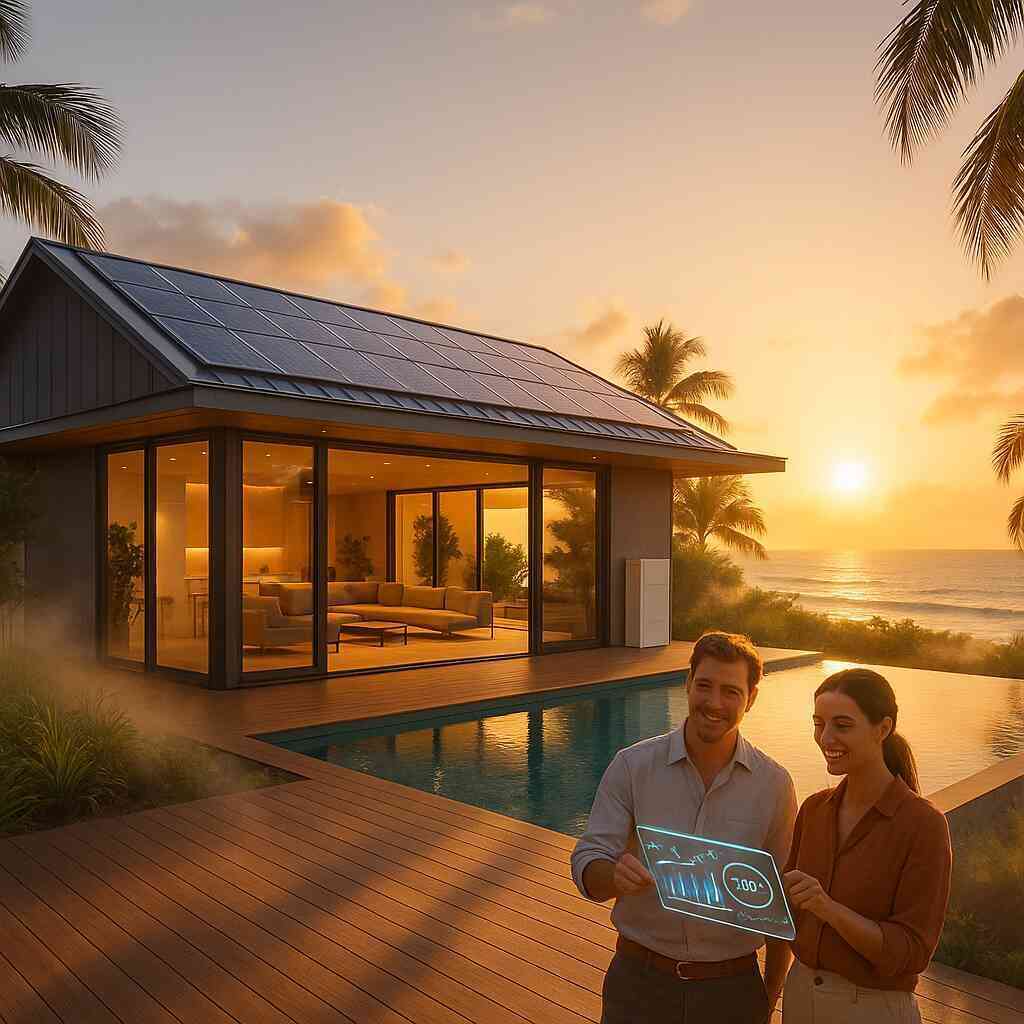
Coastal Living Reimagined
Delray Beach homeowners are embracing a wave of residential innovations that balance ocean-side style with year-round durability. This overview looks at the most influential ideas shaping remodeling and new construction in 2025, from hurricane-ready envelopes to carbon-smart materials.
1. Resilient Building Envelopes
Impact-rated openings
Modern projects rarely settle for basic code compliance. Laminated, multi-layer glass paired with robust aluminum frames withstands uplift and wind-borne debris while still framing the Atlantic view.
Salt-resistant assemblies
Builders now specify stainless or hot-dipped fasteners, fiber-cement cladding, and porcelain façades that shrug off salt spray. These choices may cost a bit more upfront but prevent hidden corrosion and repaint cycles.
Elevated foundations
In low-lying neighborhoods, helical piles and stem-wall foundations raise finished floors above projected surge levels. Many owners choose enclosed breakaway garages or lattice skirting that sacrifices itself before structural elements do.
2. Whole-House Smart Integration
Unified automation hubs
Instead of stacking separate apps, contractors pre-wire homes for a single interface that controls lighting, HVAC, pool equipment, and storm shutters. The clean network architecture makes future upgrades painless.
Real-time energy dashboards
Sub-metering each major circuit shows exactly where kilowatts slip away. Residents often discover that dehumidifiers, not air conditioners, are the silent energy hogs—and can then tune setpoints accordingly.
Automated storm response
When a tropical system forms offshore, sensors trigger three practical steps:
- Close impact shutters and exterior shades.
- Top off battery reserves by pausing EV charging.
- Send owners a confirmation text, even if they are traveling.
3. High-Performance HVAC for Humid Climates
Variable-speed heat pumps
In 2025, variable refrigerant flow (VRF) systems dominate new installs. They modulate output to match humidity loads—important because coastal homes require more latent (moisture) removal than sensible cooling.
Dedicated dehumidification
Some remodels add stand-alone dehumidifiers tied into the air handler. This lets occupants keep interior temperatures a few degrees warmer without feeling clammy, cutting runtime hours and utility expense.
Smart ventilation logic
Occupancy and CO₂ sensors tell fresh-air ERVs when to boost airflow, avoiding the stale indoor air that sealed envelopes sometimes create.
4. Renewable Power and Storage
Roof-integrated solar
Standing-seam metal roofs with clip-in PV panels eliminate ugly racks and reduce uplift risk. Conductors run under the decking, keeping salt-laden air off sensitive connections.
Hybrid inverters with load shedding
When grid power fails, the inverter keeps only critical circuits alive—refrigeration, an office outlet, and medical equipment—stretching stored energy over longer outages.
Battery location strategies
Installers now favor conditioned closets over hot garages. Lower temperatures extend lithium-ion life and reduce fire risk.
5. Low-Carbon and Reclaimed Materials
Recycled glass and seashell surfaces
Countertops made from crushed post-consumer glass or local shell aggregate celebrate coastal aesthetics while diverting waste from landfills.
FSC-certified tropical hardwood alternatives
Engineered bamboo trim and thermally modified ash replace ipe or teak on decks, cutting demand for slow-growth rainforest species.
Mineral-based interior paints
Limewash and silicate coatings naturally resist mold—a persistent problem in humid zones—without synthetic biocides.
6. Flexible Floor Plans
Pocket-door partitions
Families can open living areas for weekend gatherings or close off a quiet study during work hours. Hardware rated for coastal corrosion keeps rollers smooth.
Accessory dwelling units (ADUs)
Detached suites or garage lofts serve as guest quarters, rental income, or multi-generational living. Prefabricated panels allow construction with minimal disturbance to mature landscaping.
7. Outdoor Rooms That Stand Up to Weather
Retractable shade structures
Motorized louvered roofs pivot to block midday sun, admit winter light, or seal tight against rain. Aluminum frames and stainless actuators withstand constant ocean moisture.
High-wind pergola anchoring
Concrete footings, concealed steel plates, and structural screws rated above 150 mph turn an aesthetic feature into a code-compliant asset.
Permeable pavers and rain gardens
Driveways now combine open-joint pavers with subsurface gravel reservoirs. The system reduces runoff, filters pollutants before they reach the Intracoastal, and eases strain on municipal sewers during downpours.
8. Water-Smart Fixtures
Whole-home leak detection
Ultrasonic meters shut valves within seconds of spotting abnormal flow. Alerts appear on the same dashboard that tracks energy, keeping monitoring simple.
Dual-flush and ultra-low-flow faucets
Fixtures delivering under 1 gpm no longer sacrifice comfort; air-induction designs maintain strong pressure while trimming water bills.
9. Construction Management Best Practices
Early trade collaboration
Leading general contractors assemble architects, structural engineers, and energy modelers at concept stage. This front-loads problem-solving and avoids change orders later.
Material lead-time mapping
Supply chains still feel global strain. Builders now create color-coded boards showing which items must be ordered pre-permit so crews never stall waiting for essential components.
Climate-aware scheduling
Afternoon humidity can wreck paint adhesion. Craftspeople increasingly start exterior work at dawn, switching to interior trim as sea breezes build.
Key Takeaways
- Impact-rated fenestration, salt-proof hardware, and elevated foundations form the backbone of coastal resilience.
- A unified smart-home platform simplifies daily living and coordinates storm preparation automatically.
- High-efficiency HVAC and solar-plus-storage systems help many residences inch toward net-zero performance.
- Sustainable, locally appropriate materials lower long-term maintenance costs while protecting Delray Beach’s environment.
- Skilled general contractors tie these strands together, ensuring that innovative ideas translate into dependable construction.
The combined result is a new Delray Beach home typology—one that welcomes ocean breezes, respects the planet, and stands ready when the next tropical storm lines up offshore.
What Are Delray Beach's Leading Residential Innovations


Comments
Post a Comment