Delray Beach Home Renovation Methods for Coastal Durability
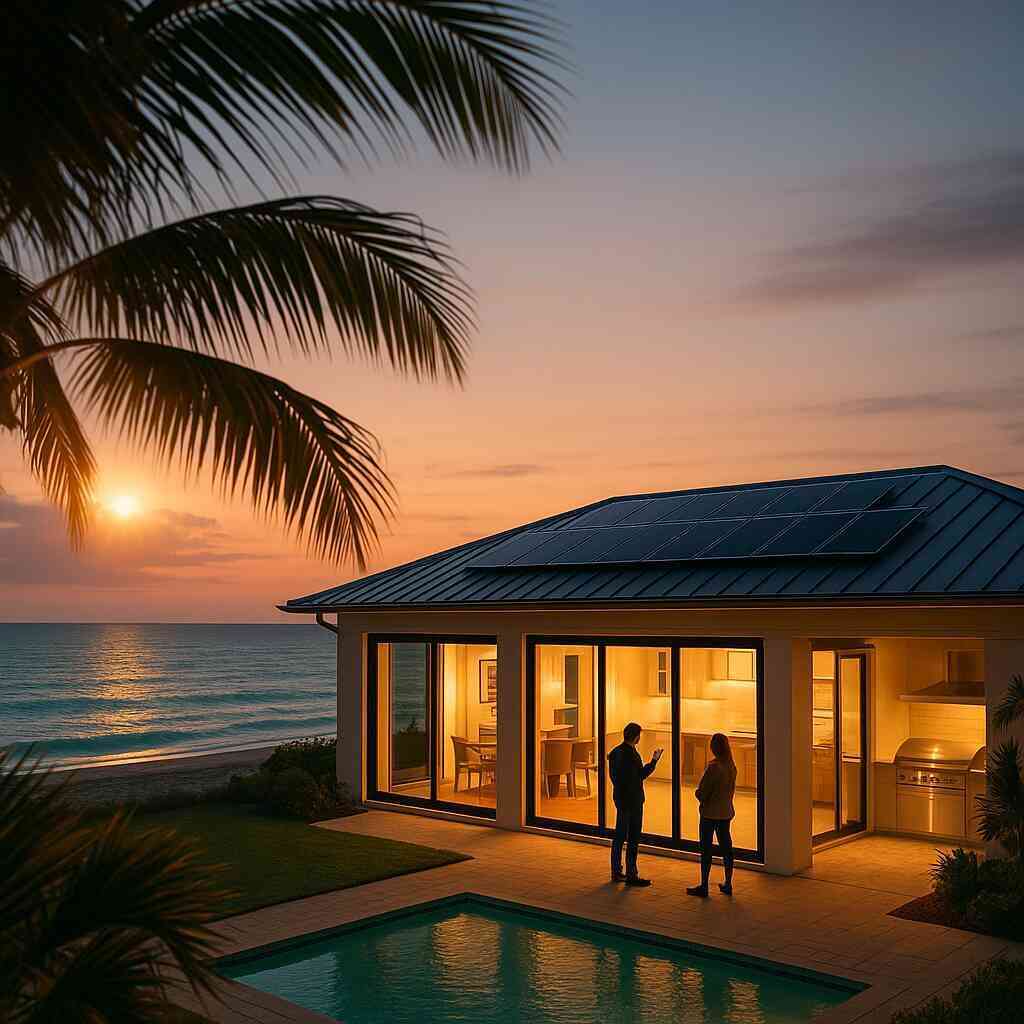
South Florida conditions shape every successful Delray Beach home renovation. Constant sun, salt-laden air, and seasonal storms demand tailored building practices that protect property value and daily comfort. The techniques below reflect common industry standards applied by experienced local builders.
Coastal-Ready Structural Strategies
Reinforced Concrete Masonry
Concrete masonry units tied to steel rebar withstand high wind loads and airborne debris. When cells are fully grouted, walls create a rigid shell that exceeds the hurricane design pressures listed in Florida Building Code.
Continuous Load Path Hardware
Hurricane clips, straps, and ring-shank nails form a mechanical link from roof sheathing to foundation. This "load path" allows uplift forces to travel through the structure without tearing members apart. Galvanized or stainless finishes prevent corrosion from salt spray.
Impact-Rated Openings
Laminated glass with an engineered interlayer resists penetration when struck by wind-borne objects. Frames must carry the same pressure rating as the glazing and attach directly to structural framing. Properly installed shutters remain an alternative when historical character requires operable protection.
Moisture Management and Material Selection
Elevated Floor Systems
Many coastal lots fall within flood zones. Builders often raise finished floor elevations on stem walls or helical piles so that water can flow beneath the structure during storm surge. Pressure-treated sill plates and termite shields extend service life in damp conditions.
Waterproof Exterior Finishes
Cementitious stucco, fiber-cement panels, and porcelain cladding resist salt crystallization and ultraviolet breakdown. When siding is used, a drained ventilation cavity behind the boards allows incidental water to escape rather than soak framing members.
Corrosion-Resistant Fasteners
Stainless steel or hot-dipped galvanized screws, anchors, and joist hangers last longer than untreated steel in marine environments. Codes require these fasteners on decks and balconies within 3,000 feet of the shoreline.
Energy Efficiency in Tropical Climates
High-R Performance Windows
Low-e coatings paired with insulated frames reduce solar heat gain without darkening interior spaces. Argon-filled cavities provide additional resistance to conduction, lowering cooling loads during peak summer months.
Spray Foam or Closed-Cell Insulation
Foam applied to roof decks creates an unvented attic that places HVAC ducts inside the conditioned space. The assembly improves thermal performance, limits moisture migration, and helps maintain positive indoor air pressure to keep humid air outside.
Cool Roofing Surfaces
Standing-seam metal panels finished with reflective pigments bounce infrared radiation back into the atmosphere. A lower roof surface temperature decreases overall attic heat build-up, extending the life of HVAC equipment.
Functional Interior Upgrades
Open-Concept Living Areas
Removing non-load-bearing partitions allows sea breezes and natural light to travel deeper into the home. Structural engineers confirm load paths before cutting sheathing or joists, and new beams are sized for current code requirements.
Universal Design Elements
Wider doorways, curbless showers, and lever hardware accommodate residents of all ages and abilities. Integrating these features during renovation avoids costly retrofits later and supports aging in place.
Custom Storage Solutions
Built-in cabinetry constructed from marine-grade plywood stands up to humidity better than particleboard alternatives. Soft-close hardware extends usable life and adds a premium touch without major cost escalation.
Smart Project Planning and Cost Control
- Detailed Scope Definition – Architects and contractors establish performance goals, finish schedules, and mechanical requirements before estimating to prevent scope drift.
- Realistic Contingency – Historic homes often conceal outdated wiring, hidden moisture, or non-compliant framing. A 10–15 percent contingency covers surprises without derailing financing plans.
- Phased Payments – Draw schedules tied to milestones, such as rough-in inspection or cabinetry delivery, align cash flow with progress and protect all parties.
Compliance and Permitting Essentials
Delray Beach adheres to Florida Building Code with additional municipal amendments addressing flood zones and historic districts. Seasoned contractors submit digital plans, structural calculations, and product approvals early, reducing review cycles. Pre-construction meetings with inspectors clarify expectations so field corrections remain minimal.
Long-Term Benefits
Homes renovated with these coastal techniques exhibit lower maintenance costs, stronger resale value, and improved storm resilience. Thoughtful design also supports modern lifestyles, providing flexible floor plans and energy savings that continue to pay dividends year after year.
https://www.delrayhomebuilders.com/what-are-the-best-delray-beach-home-renovation-techniques/


Comments
Post a Comment