Eco-Luxury Renovations Boost Boynton Beach Homes
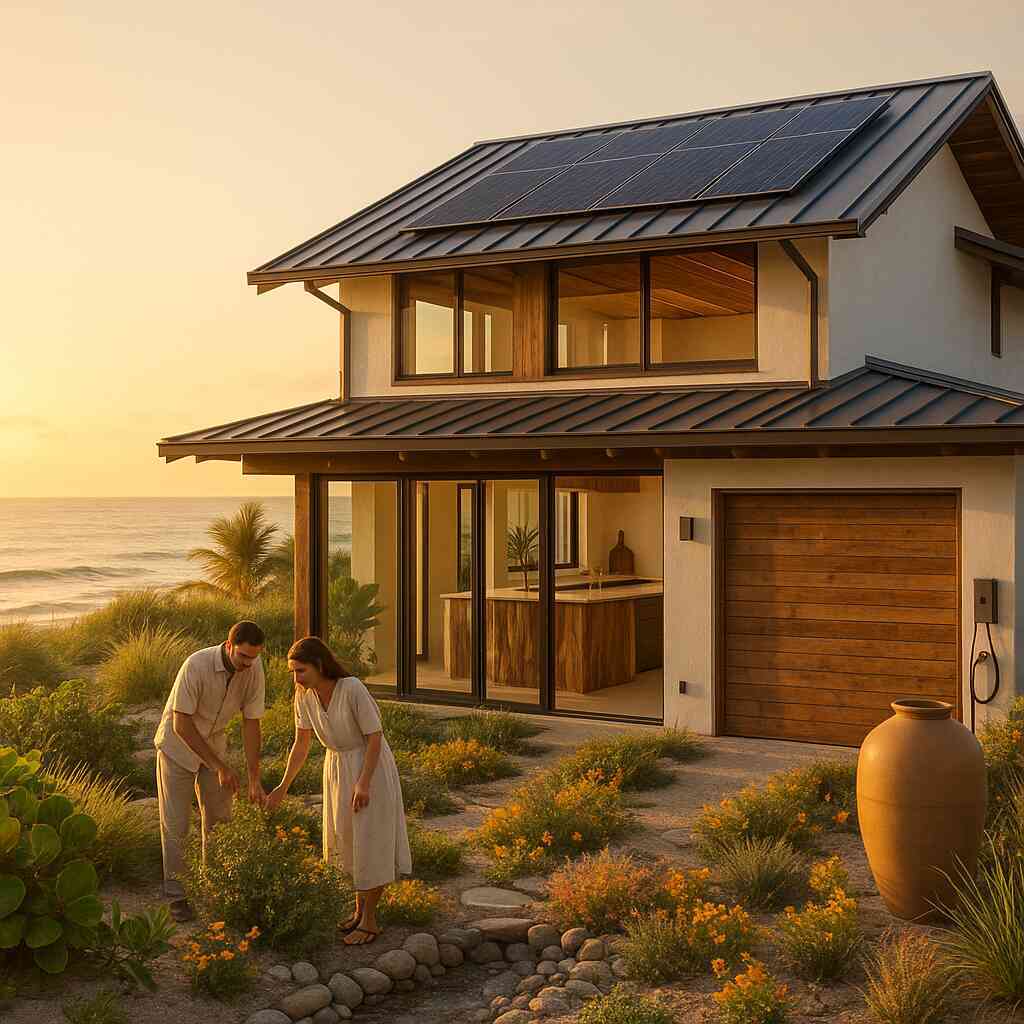
Eco-Luxury Renovations Boost Boynton Beach Homes
Coastal living no longer means choosing between style and sustainability. In Boynton Beach, high-end remodels are now expected to deliver refined design, hurricane resilience, and a light environmental footprint all at once. This overview looks at the core strategies local contractors use to reach that new standard and explains how each choice adds tangible value for homeowners.
1. Reclaimed Materials: Character That Performs
Salt air and tropical humidity punish conventional woods, yet reclaimed timbers often outlast new lumber. Dense old-growth boards—salvaged from barns, docks, or even driftwood—are naturally seasoned against moisture and pests. When kiln-dried and sealed with plant-based oils, they provide:
- Exceptional stability that resists warping and swelling
- Rich textures impossible to mimic with factory-fresh planks
- A circular supply chain that keeps usable wood out of landfills
Common premium applications include waterfall kitchen islands, floating shelving, and accent ceilings. Unlike trendy finishes that date quickly, the patina of reclaimed wood only deepens over time, reinforcing long-term appeal.
2. Low-Toxin Finishes for Healthier Interiors
Luxury coatings are evolving from high-gloss synthetics to bio-based alternatives that respect indoor air quality. Top Boynton Beach remodelers specify:
- Low- or zero-VOC wall paints in spa-inspired palettes
- Bamboo-fiber acoustic panels that dampen echoes without chemical binders
- Plant-oil sealers rather than solvent-heavy varnishes
Residents notice the difference within days. Fewer off-gassing odors improve respiratory comfort, and the absence of persistent chemicals supports better long-term health—especially important in airtight, high-efficiency homes.
3. Passive Cooling: Engineering Comfort Before Switching On the A/C
Electric bills climb quickly in a tropical climate, so passive design is the foundation of every eco-luxury project.
Key strategies
- Deep roof overhangs and adjustable exterior louvers keep direct sun off glazing.
- Clerestory vents and vertically stacked windows create a chimney effect that pulls warm air up and out.
- Light-colored, high-albedo roofing reflects rather than absorbs solar heat.
Because these measures lower baseline indoor temperatures, smaller HVAC systems can be installed without sacrificing comfort—freeing budget for premium finishes or smart-home upgrades.
4. Impact-Rated, Energy-Efficient Windows
Boynton Beach building codes require rigorous storm protection. Today’s top-tier window units merge that strength with advanced thermal performance.
- Laminated, low-iron glass stops flying debris and blocks UV rays that fade interiors.
- Gas-filled double or triple panes cut conductive heat transfer.
- Powder-coated recycled-aluminum frames resist corrosion from salt spray.
Motorized interior shades linked to light sensors further trim cooling loads while preserving clear ocean views.
5. Net-Positive Energy Planning
A net-positive home produces more electricity than it consumes over a year. Local contractors start with a detailed energy model, measuring:
- Envelope leakage rates using blower-door tests
- Anticipated appliance and lighting loads
- Occupant schedules that affect peak demand
From there, designers specify:
- Super-insulated wall assemblies and reflective roof membranes
- Variable-speed heat pumps and heat-pump water heaters
- Solar-ready conduit paths and capped roof stubs for quick PV installation
- On-site battery storage sized for at least one full day of autonomous operation
When solar panels are added, surplus kilowatts can flow back to the grid under Florida’s net-metering program, often offsetting any remaining utility charges.
6. Carbon-Neutral Construction Management
Even a green building can leave a heavy footprint if material sourcing and logistics go unchecked. The most forward-thinking builders now perform life-cycle assessments on every major product, then document the plan in a transparent carbon ledger. Typical steps include:
- Prioritizing regional suppliers to minimize transport emissions
- Selecting products with Environmental Product Declarations (EPDs)
- Separating and recycling job-site waste streams
- Offsetting any unavoidable emissions through verified coastal-restoration projects
Homeowners gain third-party certification of the home’s embodied carbon, a data point increasingly requested by insurers and future buyers.
7. Indoor-Outdoor Flow for Wellness and Resilience
Oversized stacking doors, screened living lanais, and biophilic wall gardens knit interiors to the beachfront environment. Beyond aesthetics, this layout:
- Promotes natural ventilation and daylighting
- Expands usable square footage without costly conditioned space
- Provides protected gathering zones when severe weather forces a quick retreat indoors
Smart glass panels can switch from clear to opaque at the touch of a button, delivering privacy without heavy drapes that trap humidity.
8. Financial Upside of Eco-Luxury
Many design choices outlined above qualify for federal clean-energy credits or utility rebates. More importantly, buyers are paying a premium for finished homes that already meet 2025 sustainability expectations. Local appraisers now factor in:
- Documented energy savings demonstrated through utility bills
- Resilience features that lower insurance costs
- Third-party green certifications that distinguish the property in MLS listings
As a result, the initial investment in high-performance systems often returns through higher resale prices and faster time on market.
9. Selecting a Qualified Boynton Beach Contractor
Given the technical demands of eco-luxury work, look for teams that can show:
- Experience completing LEED, FGBC, or similar certified projects
- In-house energy modeling and post-occupancy verification
- Relationships with local structural engineers familiar with wind-borne-debris requirements
- A clear chain of custody for reclaimed or low-carbon materials
Interview at least three firms and request a sample carbon ledger or energy report from a past project. This transparency is a good indicator of both expertise and professionalism.
Final Thoughts
Eco-luxury renovation is not a trend—it is the new baseline for premium coastal real estate in Boynton Beach. By blending reclaimed craftsmanship, passive climate control, impact-rated envelopes, and net-positive energy systems, homeowners secure comfort and peace of mind while helping protect the shoreline they cherish. Thoughtful planning today will ensure that these residences remain resilient, healthy, and highly desirable for decades to come.
Boynton Beach Pioneering Eco-Luxury Standards in Renovations


Comments
Post a Comment