High-Tech Living in Boynton Beach: Smart Renovation Guide
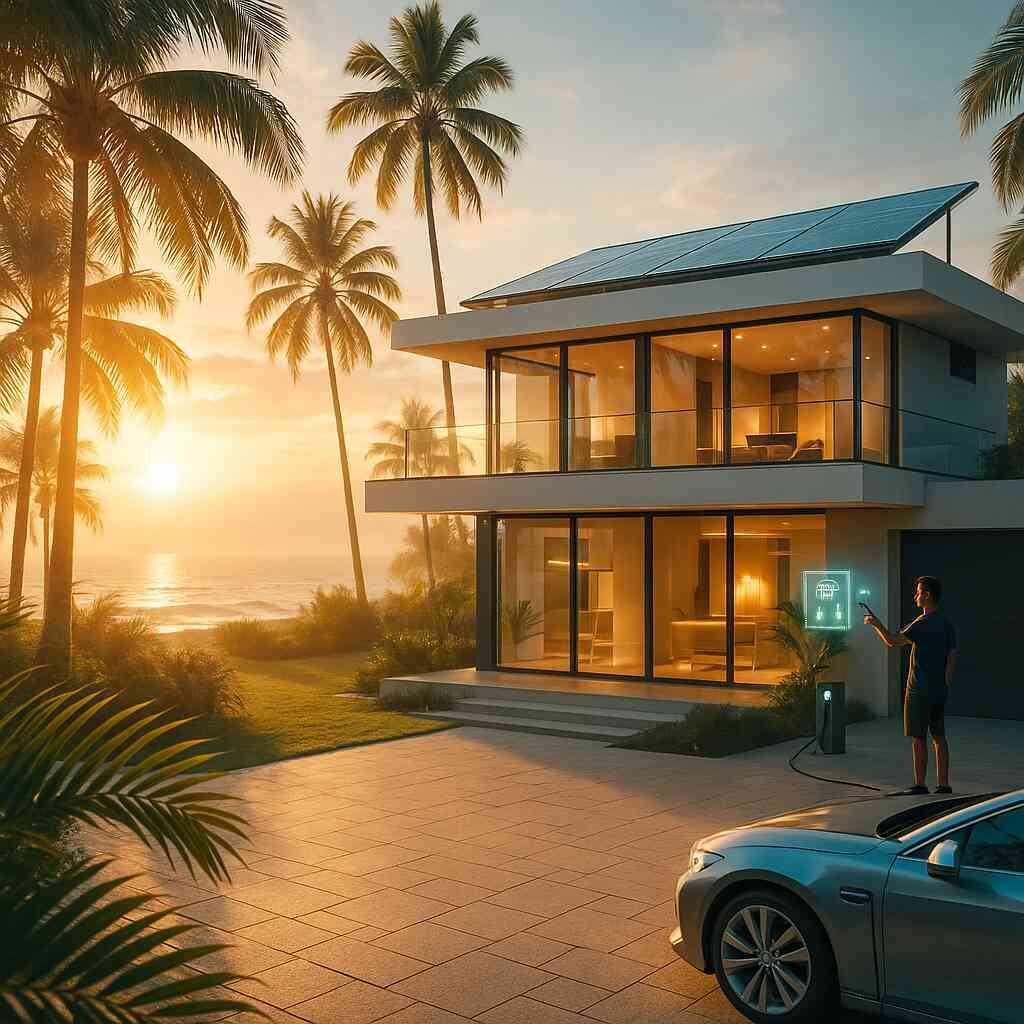
High-Tech Living in Boynton Beach
Smart speakers in every room and blinds that rise with the sun are no longer science fiction. In 2025, homeowners across Boynton Beach expect their spaces to think, respond, and even learn. This guide looks at how local builders and remodelers weave advanced technology into coastal homes while keeping comfort, style, and sustainability in balance.
Why Boynton Beach Leads the Smart-Home Wave
- A year-round outdoor lifestyle drives demand for seamless indoor-outdoor control. Think pool lighting that syncs with sunset or patio fans that kick on when humidity climbs.
- New condominium developments showcase turnkey automation, raising expectations for older properties that now need an upgrade.
- A thriving network of South Florida contractors shares expertise, making it easy to source specialized talent for everything from acoustic theaters to solar micro-grids.
Planning: Start With Daily Routines, Not Gadgets
The most successful high-tech projects begin with a lifestyle map:
- Morning flow – Does the household start at 5 a.m. for sunrise yoga or at 8 a.m. for virtual meetings?
- Work patterns – Remote workspaces require rock-solid connectivity and adaptive lighting that reduces eye strain.
- Entertaining style – Frequent dinner parties may call for whole-home audio and dynamic ambient scenes.
- Security comfort – Some owners prefer discreet sensors; others want visible deterrents.
By anchoring design decisions to concrete habits, contractors avoid over-specifying gear that will sit unused—or under-designing infrastructure that becomes a bottleneck later.
Building the Invisible Backbone
1. Fiber First
Modern homes move more data than ever. Pulling multi-mode or single-mode fiber during framing is inexpensive compared with retrofitting drywall later. A centralized patch panel in a climate-controlled closet eliminates “spaghetti wiring” and keeps future service calls short.
2. 5G-Ready Conduits
Although cellular carriers continue to expand coverage, indoor signal loss remains common near the coast. PVC or flexible ENT conduit beside electrical runs lets technicians slide in antenna boosters without demolition. The upgrade takes hours, not days, preserving finishes and furniture.
3. Robust Power Planning
Smart devices sip watts, but many of them need low-voltage power injections over long cable runs. A properly sized 24-volt DC bus prevents the tangle of individual wall warts, and whole-home battery storage smooths out Florida’s brief grid interruptions.
Layering Automation in Phases
Not every project needs to launch at maximum complexity. A phased approach keeps budgets comfortable and minimizes disruption.
| Phase | Core Upgrades | Typical Timeline |
|---|---|---|
| 1 | Smart locks, Wi-Fi mesh, lighting hubs | End of renovation |
| 2 | Climate zoning, motorized shades, basic voice scenes | Six months post-move-in |
| 3 | Energy management, advanced security analytics, full AI learning | As needs evolve |
Because early wiring anticipates future gear, each phase installs quickly, saving labor and drywall patches.
Sustainability Is Now Table Stakes
High-tech living in Boynton Beach goes hand in hand with energy efficiency and storm resilience.
Solar-Ready Roofs
Metal or concrete-tile roofs rated for coastal wind loads can accept racking from most photovoltaic manufacturers. Even if panels are postponed, pre-installed standoffs and conduit reduce costs when the time is right.
Smart HVAC Zoning
Variable-speed compressors matched with room-level thermostats trim power use during mild winter mornings yet deliver full capacity on steamy August afternoons. Predictive algorithms learn occupancy patterns, cooling only the spaces in use.
Healthy Materials
Low-VOC paints, recycled glass counters, and carbon-negative insulation improve indoor air quality. When paired with smart ventilation that monitors CO₂ and humidity, the system quietly creates a healthier living environment.
Choosing the Right Integration Partner
A general contractor who handles framing, networking, and commissioning under one roof reduces friction. Look for teams that:
- Provide detailed 3-D BIM models showing every conduit and junction box before construction begins.
- Offer documented cable routing with clear labeling so any technician—years down the line—can trace connections.
- Coordinate regional specialists for niche features such as marine-grade outdoor audio or cinema-quality acoustics.
Real-World Examples
Compact Intracoastal Townhome
A two-story unit received smart locks and sensors during a modest kitchen remodel. Six months later, the owners added automated shades and multi-room audio without reopening any walls, thanks to spare Cat6 and fiber pulls tucked behind crown molding.
Custom Estate With a Digital Heart
On a one-acre lot west of U.S.-1, builders wired a fiber ring spanning the main home, detached garage, and future guest cabana. The network supports 4K security feeds, EV chargers, and a 20-kilowatt solar array. Hurricane-ready battery backup keeps core systems online for more than 48 hours.
Cost Considerations in 2025
- Infrastructure (wiring, panels, enclosures): roughly 3-5 % of total construction cost.
- Entry-level automation package: from $6,000 for locks, thermostats, and a voice hub.
- Whole-home, fully integrated system: $25,000 and up, depending on audio zones, security layers, and custom interfaces.
Note that investing early in wiring delivers the best long-term value. Hardware evolves quickly, but cable paths stay relevant for decades.
Key Takeaways
- Map technology choices to daily routines for a system that feels natural.
- Pre-wire fiber, power, and conduits during framing—future upgrades become painless.
- Use phased rollouts to align spending with real-world use.
- Pair smart features with sustainability measures such as solar readiness and healthy materials.
- Choose a contractor capable of integrating design, engineering, and commissioning under one accountable roof.
High-tech living in Boynton Beach is not about collecting the latest gadgets. It is about creating a responsive environment that protects, entertains, and conserves—while remaining flexible for whatever tomorrow brings.
Defining the Essence of High-Tech Living With Boynton Beach


Comments
Post a Comment