How Boca Raton Remodelers Transform Urban Living Spaces
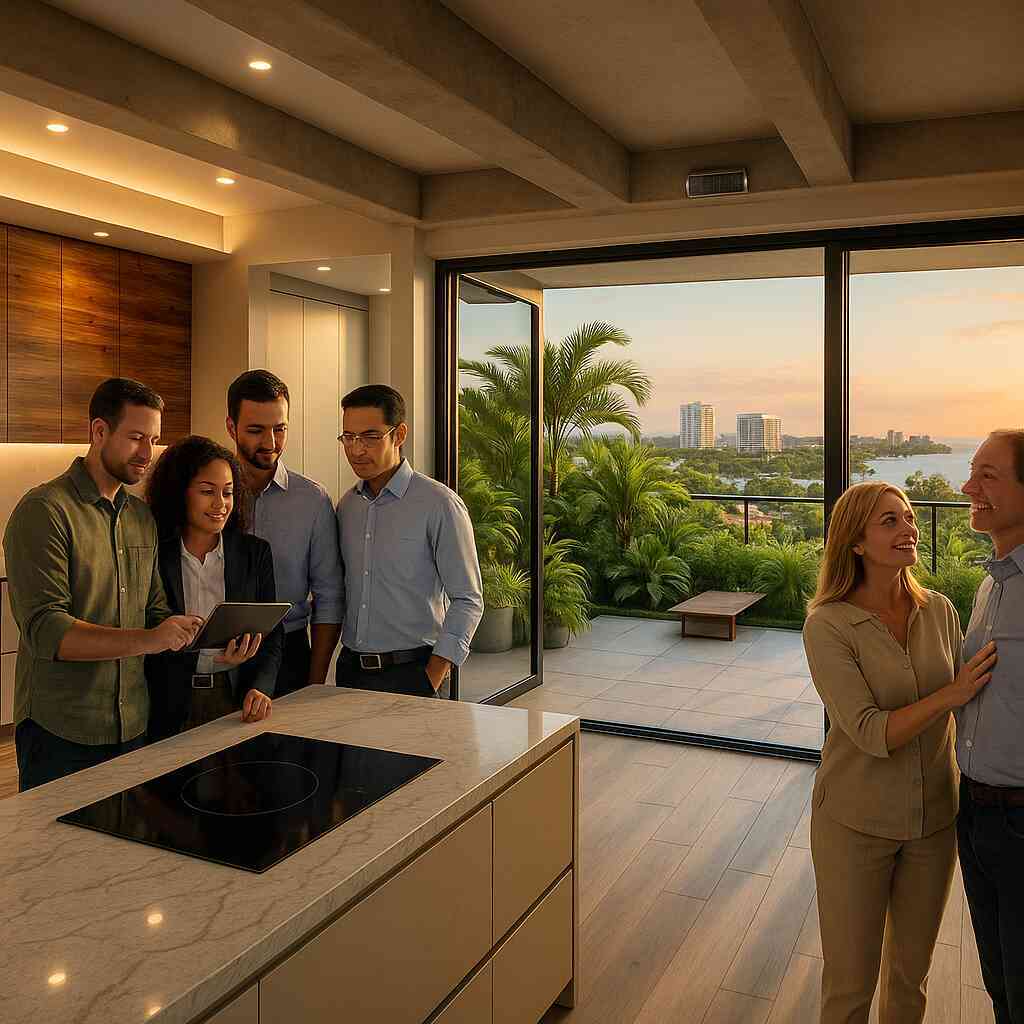
Rethinking City Life in South Florida
Boca Raton remodelers are re-shaping the way downtown residents use space. This overview explains the design moves and construction strategies driving the shift in 2025, from adaptive reuse of office towers to multi-functional condo layouts.
The Why: Urban Pressure Meets Coastal Lifestyle
City centers along Florida’s southeast coast are growing denser. Professionals want walkable commutes, yet still crave ocean breezes and daylight. Remodeling firms in Boca Raton answer this tension by:
- Repurposing underused commercial buildings instead of building new towers.
- Carving out flexible work-from-home zones so living rooms double as offices.
- Blending biophilic design with storm-ready construction to handle seasonal weather.
The result is an urban footprint that feels resilient, efficient, and unmistakably coastal.
Adaptive Reuse: From Office Floor to Sky-High Sanctuary
Retrofitting an existing structure typically cuts months off a construction timeline and saves thousands of cubic yards of concrete. Remodelers start with a forensic survey using laser scanning to reveal hidden mechanical shafts and post-tension cables. Once the bones are mapped, design teams:
- Remove interior partitions to create a column-and-slab canvas.
- Install high-performance sound blankets on Party walls to tame city noise.
- Add wet walls for kitchens and baths in logical stacks, simplifying plumbing runs.
- Reinforce perimeter glazing with impact-rated frames so every unit can handle hurricane wind loads.
Because the shell remains, embodied carbon drops significantly—an advantage that appeals to environmentally conscious buyers and local permitting boards alike.
Flexible Floor Plans for Multigenerational Living
Population research shows more families spanning three generations under one roof. Boca Raton designers respond with floor plates that shift function throughout the day.
Key tools
- Sliding partitions: Solid when closed, they look like integrated millwork. When opened, they create a 30-foot entertainment zone.
- Concealed workstations: A pocket door hides a desk, monitor, and printer. During off-hours the niche reads as a decorative alcove.
- Acoustic glass: Panels with laminated cores deliver a Noise Reduction Coefficient high enough for conference calls next to napping toddlers.
Wide corridors, curbless showers, and motion-sensing fixtures ensure aging residents move safely while younger relatives enjoy a contemporary aesthetic.
Biophilic Touches That Thrive Indoors
Living greenery is not just decorative; it also stabilizes humidity in salt-laden air. Remodelers commonly specify:
- Planter walls with built-in irrigation and low-maintenance native species.
- Operable skylights or solar tubes in top-floor units to bring daylight 20–30 feet into interior zones.
- Natural finishes such as white oak veneer and recycled shell terrazzo, which patina gracefully instead of showing wear.
These elements provide mental-health benefits documented by multiple academic studies while supporting the region’s ecological character.
Energy Strategy: High-Velocity HVAC and Smart Lighting
Older high-rise cores often rely on dated fan-coil systems. Modern upgrades swap them for high-velocity supply ducts threaded through smaller chases. Benefits include:
- Up to 30 % reduction in energy use compared with traditional split systems.
- Balanced temperature across rooms despite large glass expanses.
- Lower ceiling-height sacrifices, preserving spacious sightlines.
Lighting plans layer dimmable LED strips, recessed cans, and task pendants. Occupancy sensors cut power in unoccupied zones, and tunable color temperatures support circadian rhythms for residents who work odd hours.
Rooftop Amenities That Build Community
Where zoning allows, remodelers convert flat roofs into resident amenities. Typical upgrades include:
- Resilient ceramic pavers over pedestal systems to manage stormwater.
- Native sea-grape planters that double as windbreaks.
- Outdoor kitchens with marine-grade stainless equipment.
By stacking leisure space vertically, each building supports social interaction without sacrificing ground-level privacy.
Materials That Stand Up to Salt, Sun, and Sand
Urban projects near the Atlantic need finishes that look crisp years after installation. Popular options in 2025 are:
- Luxury vinyl plank with commercial-grade wear layers; it resists sand abrasion better than many hardwoods.
- Porcelain slabs mimicking natural stone for shower enclosures, eliminating grout maintenance.
- Fiber-cement exterior panels coated with UV-stable pigments, ensuring colorfast façades under intense sunlight.
Construction Management in Condensed Downtown Sites
Tight staging areas demand disciplined logistics. Successful remodelers:
- Prefabricate wall panels off-site, reducing street closures for material deliveries.
- Book elevator time blocks weeks in advance to avoid resident disruption.
- Use cloud-based punch-list apps so trade partners capture issues in real time, shortening close-out.
Consistent communication with building management keeps neighbors informed and limits costly delays.
Navigating Permits and Code Updates
Florida Building Code revisions now require stricter wind-borne debris protection and energy modeling. Boca Raton crews stay ahead by attending continuing-education seminars and integrating third-party engineers early. Permit packages typically include:
- Structural calculations for any new openings or column modifications.
- Energy compliance worksheets showing projected kilowatt savings.
- Acoustic tests when converting office use to residential occupancy.
By assembling a complete dossier before first submittal, teams cut red-tag risk and maintain momentum.
Looking Ahead: Trends Worth Watching
Remodelers expect several shifts to gain traction over the next 18–24 months:
- Micro-grid readiness: Buildings wired for battery backup at the unit level, allowing partial operation during grid outages.
- Water stewardship: Greywater systems paired with drought-tolerant podium landscaping.
- Health tech integration: Contact-free elevator calls and air-quality dashboards visible in lobby kiosks.
Staying alert to these developments helps property owners future-proof investments while elevating resident comfort.
Final Thoughts
Urban life in Boca Raton no longer means sacrificing the breezy ease that defines South Florida. By combining adaptive reuse, flexible floor plans, resilient materials, and community-minded amenities, local remodelers deliver spaces that feel custom-built for the rhythms of 2025. Whether transforming a vacant office block or refreshing a single high-rise apartment, the guiding principle remains the same: design must respect the coast, embrace technology, and celebrate human connection.
Residents who understand these strategies can engage design teams more effectively and shape homes that evolve alongside their lives.
How Boca Raton Remodelers Revamp Urban Living Patterns


Comments
Post a Comment