Leading Commercial Renovations in Boynton Beach | RENOVA
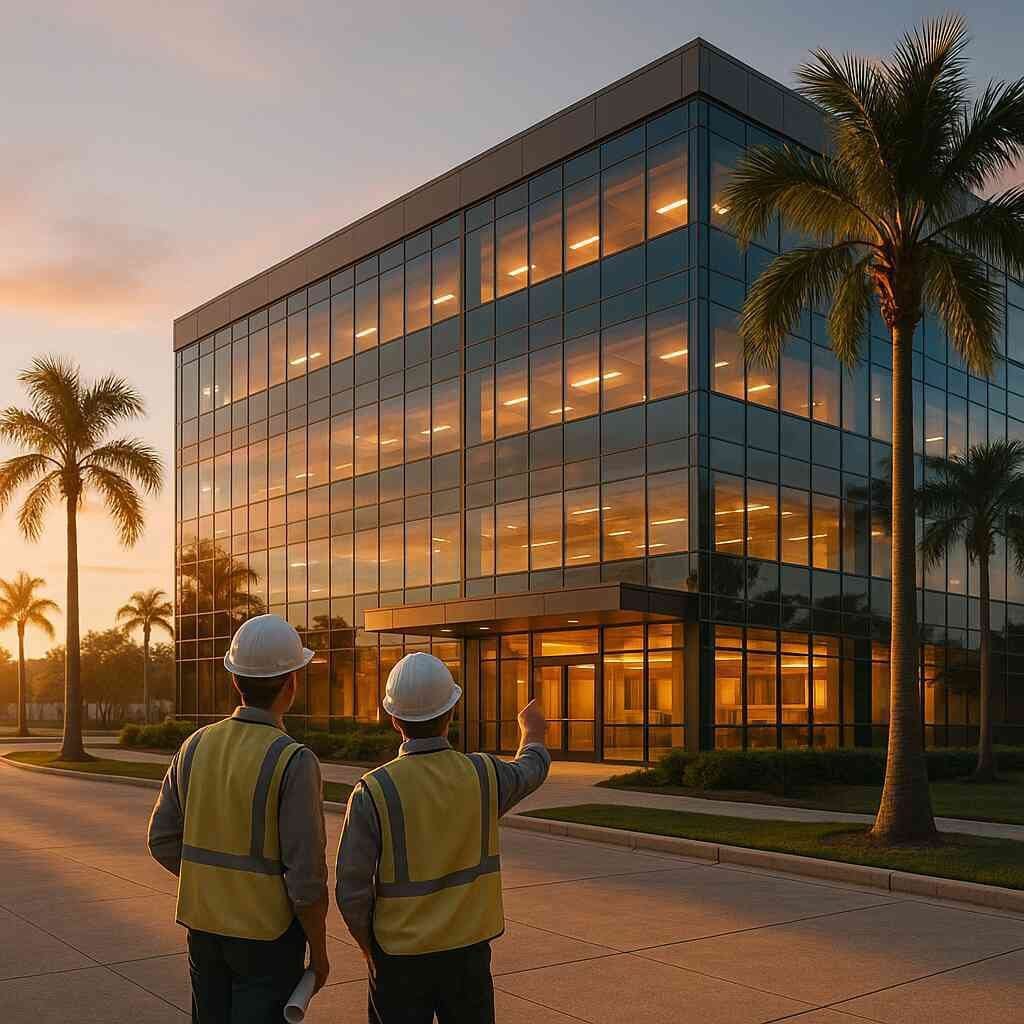
How RENOVA Shapes Modern Commercial Spaces in Boynton Beach
A surge of new tenants and shifting workplace standards has turned Boynton Beach into a laboratory for forward-thinking commercial upgrades. This overview explains why RENOVA has become the go-to partner for building owners, asset managers, and growing brands that want spaces tailored for 2025 and beyond.
What Today’s Tenants Expect
The pandemic accelerated preferences that had been simmering for years. In practical terms, most companies now ask for:
- Flexible floor plates that can swing from collaborative gatherings to quiet focus zones.
- Touch-free entry, lighting, and restroom fixtures that reduce germ transmission.
- Enhanced HVAC filtration, higher outside-air ratios, and operable windows where code allows.
- Finishes that are durable yet easy to sanitize, without looking clinical.
- Acoustic treatments that let hybrid meetings happen without distracting neighboring desks.
Meeting these targets requires a contractor who understands space planning, wellness standards, and cost control. RENOVA’s project leads begin by mapping each expectation back to a concrete scope item—square footage, equipment, or specialty trade—so owners see exactly where dollars are going.
Boynton Beach’s Location Advantage
Situated between Boca Raton and West Palm Beach, Boynton Beach benefits from multiple supply routes. Proximity to Interstate 95, the Turnpike, and the coastal rail corridor shortens delivery times for steel, casework, and prefabricated wall systems. Shorter hauls do more than reduce freight. They give RENOVA tighter control of sequencing. When materials arrive just in time, the team can stage floors efficiently, avoid double handling, and maintain clean safety paths for every trade.
Developers also prize the city’s designated opportunity zones. Tax incentives in these tracts can improve pro-forma returns, making ambitious modifications—such as full-height glass partitions or smart-building sensors—more financially attractive. RENOVA’s pre-construction staff model these advantages early so stakeholders know how incentives offset initial capital.
Choosing a Contractor Close to the Site
The phrase “general contractor near me” is not just a search term. In construction, distance directly affects speed and quality. RENOVA’s headquarters are minutes from most Boynton Beach business parks. That means superintendents can open gates for a 5:00 a.m. concrete pour, then be back for a 4:30 p.m. punch-list walk the same day. Quick response keeps subcontractors accountable and solves small issues—like a misplaced electrical box—before drywall goes up.
Local presence also streamlines permitting. City plan examiners recognize RENOVA’s drawings, know the firm’s safety record, and are familiar with the team’s standard inspection sequence. Familiarity does not waive code compliance, but it does eliminate the extra review cycle that often slows firms new to the jurisdiction.
The Design-Build Method in Action
Traditional projects separate architecture from construction. Hand-offs can take weeks, and every revision spawns a change order. RENOVA prefers a design-build workflow, pairing trusted architects and interior designers with field leaders from day one:
- Concept Alignment – Early sketches live in a shared cloud model. When the designer shifts a wall, the superintendent sees the change in real time and flags any clash with an air-handling duct.
- Cost Feedback – Estimators attach live pricing to each element. Owners immediately know the budget impact of switching from standard carpet tile to acoustic‐rated plank flooring.
- Material Mock-Ups – RENOVA builds partial offices or restrooms off-site so stakeholders can judge look, feel, and cleanability before approving bulk orders.
- Documented Decisions – Every accepted option is recorded in project management software, giving all parties a single source of truth for scope, schedule, and finishes.
The result is fewer surprises and a construction timeline that can be 10–15 percent faster than the traditional design-bid-build route.
Value Engineering Without Compromise
Cutting cost does not have to mean cutting quality. RENOVA’s value-engineering sessions examine:
- Structural elements that can remain and be reinforced, rather than demolished and rebuilt.
- Modular wall systems that arrive pre-finished, reducing onsite labor and waste.
- Lighting layouts that achieve the same foot-candle levels with fewer fixtures by using higher-efficiency LED optics.
- HVAC zoning that balances comfort against utility bills, often enabled by demand-control ventilation sensors.
Savings achieved here frequently fund the wellness or technology upgrades that keep a property competitive.
Building for Wellness and Energy Performance
Tenant decision makers increasingly ask about WELL or Fitwel benchmarks, and many institutional owners pursue LEED certification. RENOVA supports these goals through:
- Low-VOC paints, adhesives, and sealants that improve indoor air quality from day one.
- Energy-recovery ventilators that temper outside air while minimizing cooling loads.
- Daylight harvesting controls that dim rows of fixtures near windows.
- Antimicrobial hardware on high-touch surfaces such as door pulls and faucet handles.
Documented commissioning ensures that systems operate as designed, qualifying the building for available utility rebates and confirming healthy conditions for occupants.
Adaptive Reuse: Turning Shells Into Modern Assets
Boynton Beach is dotted with sturdy masonry warehouses built decades ago for light industrial use. High roof decks, wide column spacing, and generous loading bays make these structures ideal for conversion into creative offices, showrooms, or mixed-use retail hubs. RENOVA’s adaptive-reuse playbook includes:
- Laser scanning the existing shell to create an accurate digital twin.
- Analyzing wind-load requirements to integrate new openings without weakening lateral bracing.
- Inserting clerestory glazing or skylights to bring in daylight while maintaining hurricane resistance.
- Upgrading electrical service to support high-density data cabling and electric-vehicle charging.
Reusing an existing envelope can shorten the schedule by months compared with ground-up construction, allowing owners to start collecting rent sooner.
Safety and Risk Management
South Florida’s climate demands meticulous planning around storms and heat. RENOVA schedules roof lifts and crane picks outside hurricane season when possible. Each project maintains a severe-weather action plan that includes:
- Securing loose materials daily during the Atlantic storm window.
- Temporary tie-downs for rooftop equipment until final curbs are installed.
- Heat-stress protocols with designated cool-down stations and mandatory hydration breaks.
A safe jobsite protects workers, limits insurance exposure, and keeps the timeline intact.
The Bottom Line
Commercial renovations in Boynton Beach require more than hammers and drywall. They demand a partner who blends local knowledge with modern building science, digital coordination, and proactive risk management. RENOVA delivers that blend. By staying close to the site, aligning design and construction, and focusing on wellness and energy performance, the company positions owners and tenants to thrive in an evolving marketplace.
Whether the goal is rejuvenating a mid-rise office lobby, converting a warehouse to creative suites, or outfitting a medical coworking hub, RENOVA’s process keeps projects moving, budgets clear, and spaces future-ready.
How RENOVA Leads Commercial Renovations in Boynton Beach


Comments
Post a Comment