Mastering Custom Home Design in Delray Beach 2025
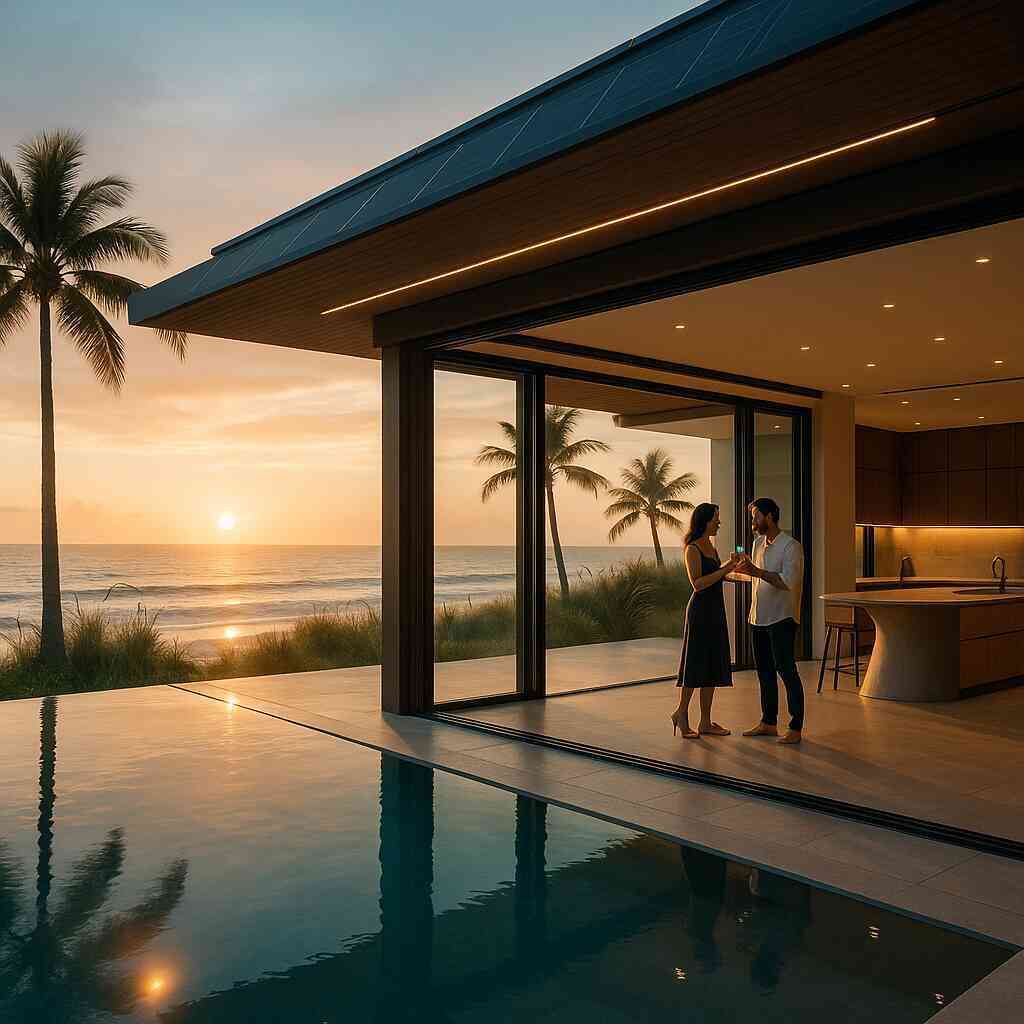
Ultimate Guide to Custom Home Design in Delray Beach
Creating a one-of-a-kind residence on the south Florida coast is equal parts inspiration, technical rigor, and local know-how. This guide outlines the key decisions, trade partners, and design strategies that consistently lead to exceptional custom homes in Delray Beach.
1. Begin With a Clear Coastal Vision
A successful project starts well before the first sketch. Take time to list the sights, sounds, and feelings that define your ideal day by the Atlantic—morning sunrises, cross-breezes, poolside gatherings, or quiet reading nooks. When these sensory notes are shared with a designer, they translate into room orientations, glazing sizes, and circulation patterns that genuinely echo the shoreline lifestyle.
Quick tips
- Collect photos of favorite beaches, textures, and architectural details.
- Note how natural light moves through your current home; decide what you wish to replicate or avoid.
- Identify signature moments—outdoor showers, hidden courtyards, or a rooftop terrace—to anchor the concept.
2. Translate Inspiration Into a Feasible Concept
Professional residential designers refine dreams into buildable plans by balancing aesthetics with local code. In Delray Beach, that often means:
- Elevated finished floors to comply with flood regulations.
- Window systems rated for hurricane impact.
- Deep roof overhangs and recessed balconies that limit heat gain without blocking views.
Early schematic packages usually include floor-plan bubbles, rough elevations, and a preliminary materials palette. Review these together to confirm that every square foot has purpose and that focal vistas remain unobstructed.
3. Prioritize Lifestyle Requirements Early
Once the broad strokes feel right, shift focus to daily routines. A concise “program” prevents costly redesign later.
Key questions to ask:
- How many people live in the home full-time? How often and how many guests visit?
- Will any occupant work remotely, need studio space, or desire specialized storage for water sports gear?
- Are aging-in-place features—such as first-floor suites, elevator shafts, or zero-threshold showers—important?
- Is a backup generator, solar array, or electric-vehicle charger planned?
- Does the household cook frequently, entertain formally, or prefer casual indoor-outdoor dining?
Documenting these answers guides room sizes, mechanical loads, and technology infrastructure. It also clarifies budget priorities before construction pricing begins.
4. Assemble a Locally Proven Team
The coastal environment adds layers of permitting, engineering, and materials sourcing. A builder with Delray Beach experience can shorten approval timelines and flag design elements that might trigger extra scrutiny.
What to look for in a prospective builder or general contractor
- A portfolio of recent oceanfront or Intracoastal projects that weathered at least one storm season.
- In-house or long-term trade partners for concrete, framing, millwork, and finish carpentry.
- Transparent scheduling tools—digital Gantt charts, photo logs, and weekly site reports.
- Solid insurance, lien-release practices, and a history of on-time inspections.
Conduct reference calls and site visits. Ask former clients about communication style, problem-solving, and post-occupancy support.
5. Engineer for Climate, Comfort, and Resilience
South Florida humidity, salt air, and wind uplift can cut short the lifespan of average assemblies. Specify systems known to perform in this microclimate:
- Building envelope: Closed-cell spray foam or continuous rigid insulation, combined with vapor-permeable wraps, controls both moisture and heat.
- Windows and doors: Laminated, low-E impact glass in thermally broken aluminum frames offers clarity without compromising safety.
- Roofing: Standing-seam aluminum or high-end concrete tile resists corrosion and meets strict uplift ratings.
- HVAC: Variable-speed air handlers with dedicated dehumidification maintain indoor comfort even during shoulder seasons.
- Power security: Whole-house generators or home-battery systems keep critical circuits live when utility power falters.
Upfront investment in these areas lowers energy bills and maintenance hassles for decades.
6. Marry Coastal Style With Enduring Materials
Delray’s aesthetic trends lean toward relaxed luxury: light woods, sandy neutrals, and generous glass expanses. Yet finishes must also withstand salt spray and intense sun.
Consider the following combinations:
- Engineered white-oak flooring with durable UV-cured finishes.
- Large-format porcelain that mimics limestone for baths and pool decks.
- Marine-grade stainless or powder-coated aluminum for exterior railings.
- Quartzite or sintered-stone countertops that shrug off lemon juice and sunscreen.
Inside, aim for minimal but tailored millwork—floating stair treads, built-in window seats, and concealed storage—so the ocean takes center stage.
7. Integrate Smart Technology Thoughtfully
Home automation should simplify living, not overwhelm. Plan wiring and device locations early so walls remain uncluttered later. Popular integrations include:
- Motorized shades tied to sun-tracking sensors.
- Whole-house audio zones that can shift from the great room to the terrace with one touch.
- Hidden ceiling speakers and recessed lighting controlled by dimmable scenes.
- Remote monitoring for water leaks, humidity, and door status when owners travel.
Always pair smart systems with robust network infrastructure—conduit runs, fiber backbones, and surge protection—to avoid retrofit headaches.
8. Keep Project Delivery Transparent
Even the best-laid plans face weather delays or supply hiccups. Weekly check-ins between owner, architect, and builder keep decisions flowing and prevent scope creep. Use:
- Shared cloud folders for updated drawings and specifications.
- Mobile apps for daily photo documentation and quick sign-offs.
- Scheduled budget reviews to confirm allowances remain realistic.
When unexpected changes arise—perhaps steel prices spike or a finish becomes unavailable—pre-agreed protocols allow the team to pivot without eroding trust.
9. Final Walk-Through and Ongoing Care
Before move-in, devote an entire day to inspecting every cabinet hinge, lighting scene, and plumbing fixture. Compile a punch list and establish deadlines for completion. After occupancy, a reputable builder offers quarterly or semi-annual maintenance visits that include roof checks, sealant inspections, and HVAC tune-ups. This proactive schedule preserves warranty coverage and long-term value.
Conclusion
Designing and building a custom home in Delray Beach is a rare opportunity to blend coastal serenity with modern performance. By anchoring the process in clear visioning, disciplined project management, and climate-savvy craftsmanship, homeowners can secure a residence that celebrates the shore while standing strong against its challenges. Thoughtful planning today ensures that sunrise over the Atlantic remains the daily backdrop for effortless living tomorrow.
How to Achieve Ultimate Custom Home Design in Delray


Comments
Post a Comment