Mastering Delray Beach Remodeling Costs for 2025 Projects
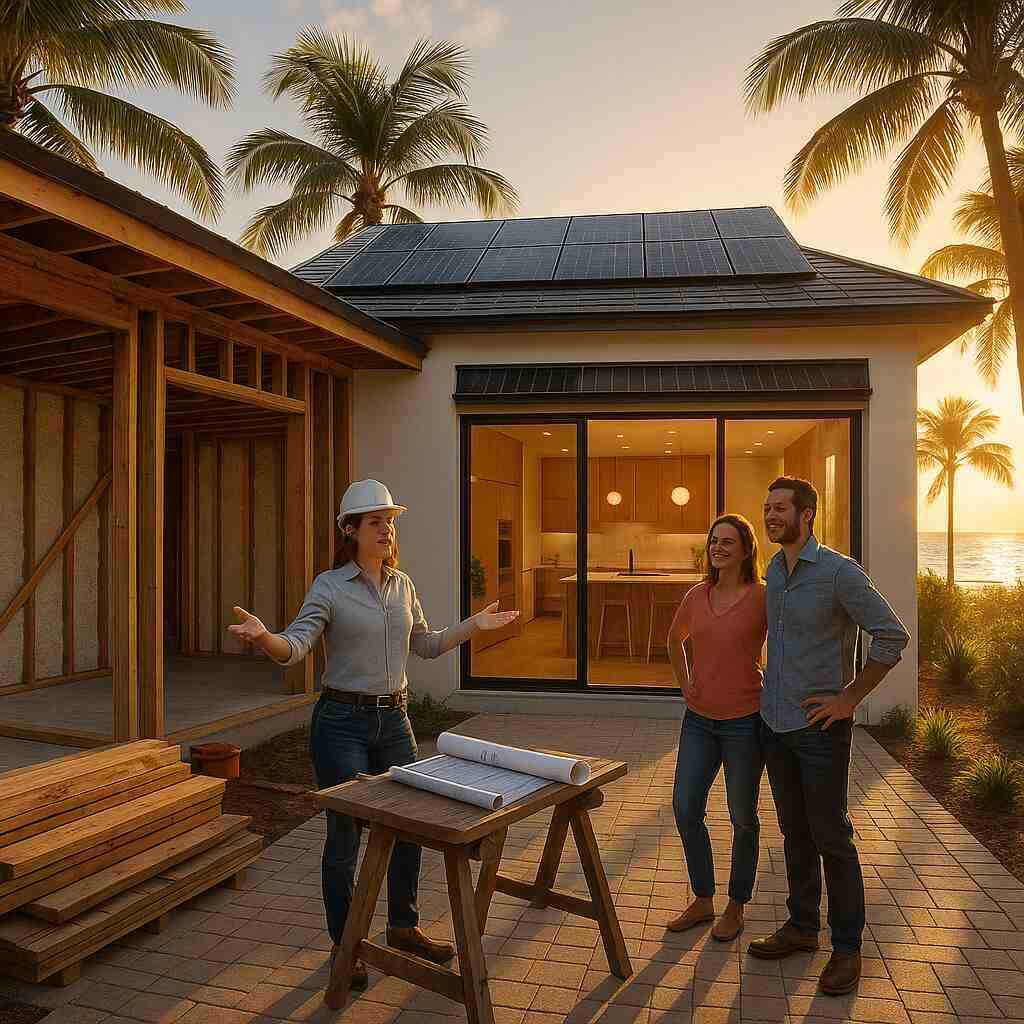
Making Sense of Delray Beach Remodeling Costs
Delray Beach remodeling costs can feel unpredictable. Labor, hurricane-rated materials, and strict permitting all shape the final price. This guide explains why projects in 2025 cost what they do, then offers practical steps for keeping a renovation on budget without cutting quality.
Why Cost Efficiency Matters in Coastal South Florida
Home values in Delray Beach keep climbing, but so do insurance premiums and utility bills. A cost-efficient remodel protects three things:
- Equity – Smart upgrades can raise resale value faster than they drain savings.
- Monthly cash flow – Energy-wise fixtures and right-sized mechanical systems temper utility spikes.
- Peace of mind – Reserving funds for storm prep or emergencies avoids post-renovation stress.
Focusing on cost efficiency means measuring every design idea against those three yardsticks.
The Three Biggest Cost Drivers
1. Labor
Skilled trades stay busy year-round. Plumbers, tile setters, and electricians often book weeks in advance, and that demand keeps wages high. Budget 35–45 % of total project cost for labor on a typical kitchen or bath.
2. Materials
Homes within a few miles of the ocean need:
- Impact-rated windows and doors
- Moisture-resistant drywall
- Corrosion-resistant fasteners
Those items can add 10–18 % compared with inland bids. Ordering early and choosing locally stocked brands cuts freight surcharges.
3. Timing & Permitting
Peak season runs from November through April when part-time residents accelerate work. Submitting permit drawings before that window can shave weeks off approval times and reduce overtime charges.
Typical 2025 Cost Ranges
| Room Type | Mid-Range Finish | Luxury Finish |
|---|---|---|
| Kitchen (200 sq ft) | $45 K – $60 K | $85 K – $120 K |
| Primary bath (90 sq ft) | $25 K – $38 K | $50 K – $70 K |
| Whole-home interior (2 000 sq ft) | $170 – $235 / sq ft | $275 – $350 / sq ft |
Numbers include design, labor, materials, and standard contingencies but exclude furniture and landscaping.
Building a Realistic Budget
- Clarify scope first. Decide whether walls, plumbing lines, or window openings will move. Structural work raises the baseline more than finish upgrades.
- Request line-item estimates. A detailed proposal shows labor hours, material allowances, and permit fees rather than one lump sum.
- Match allowances to taste. If you love handmade zellige tile, make sure the budget assumes its price, not a builder-grade subway tile.
- Hold a 10–15 % reserve. Hidden leaks or electrical quirks are common in older coastal homes. A contingency keeps discoveries from derailing schedules.
Strategies for Saving Without Sacrificing Quality
Value-Engineered Design
Swap a full wall of imported stone for a single stone hood surround paired with painted drywall. The focal point remains, while square-foot costs drop.
Batch Trade Work
Schedule all rough plumbing at once, then all electrical. Minimizing trade mobilizations avoids repetitive travel charges.
Pre-Buy High-Lead-Time Items
Impact windows and custom cabinets can require 12–16 weeks. Ordering before demolition prevents costly downtime.
Opt for Timeless, Not Trendy
Classic shaker cabinetry and neutral flooring reduce the urge for expensive updates every few years, extending ROI.
Dollars per Square Foot: Reading the Numbers Correctly
National remodeling charts often list average costs that ignore local code and climate factors. In Delray Beach for 2025:
- Condos with limited structural changes: $165 – $190 / sq ft
- Non-waterfront single-family homes: $200 – $260 / sq ft
- Waterfront estates with custom millwork: $300 / sq ft and up
Use these figures only as a starting point. Final pricing still swings with finish level, layout changes, and site access.
Managing Change Orders
A change after framing costs more than one made on paper. Keep adjustments in check by:
- Approving final design drawings before permits are filed
- Holding weekly walkthroughs to spot issues early
- Requiring written pricing on every change so decisions stay data-driven
The Role of a Detailed Contract
A solid agreement should spell out:
- Start and completion dates
- Payment milestones tied to inspections, not calendar days
- Warranty terms on labor and major materials
- Dispute resolution steps
Clarity up front prevents surprises and supports a cooperative jobsite atmosphere.
Energy Efficiency Pays for Itself
While impact windows are legally required in many zones, upgrading to low-E coatings and insulated frames can trim cooling loads by up to 15 %. Pair them with a variable-speed heat pump and LED lighting to shorten the payback period on your renovation investment.
Quick Checklist Before Signing a Proposal
- [ ] Reviewed at least three comparable bids
- [ ] Verified contractor license and insurance
- [ ] Checked recent client references
- [ ] Matched every allowance to preferred brands
- [ ] Confirmed 10–15 % contingency is set aside
Key Takeaways
Delray Beach remodeling success relies on balancing dream design with the realities of coastal construction costs. Understand the local labor market, specify hurricane-ready materials early, and lock decisions before demolition. When paired with a disciplined contingency and clear contract, these steps help homeowners enjoy a refreshed space, stronger equity, and fewer financial surprises.
Renovating in 2025 does not have to feel like a gamble. With the right information and upfront planning, your Delray Beach home can gain style and resilience—without draining your reserve funds.
https://www.delraybeachremodeling.com/understanding-delray-beach-remodeling-cost-efficiency/


Comments
Post a Comment