RENOVA’s Fort Lauderdale Builds: Innovation & Resilience
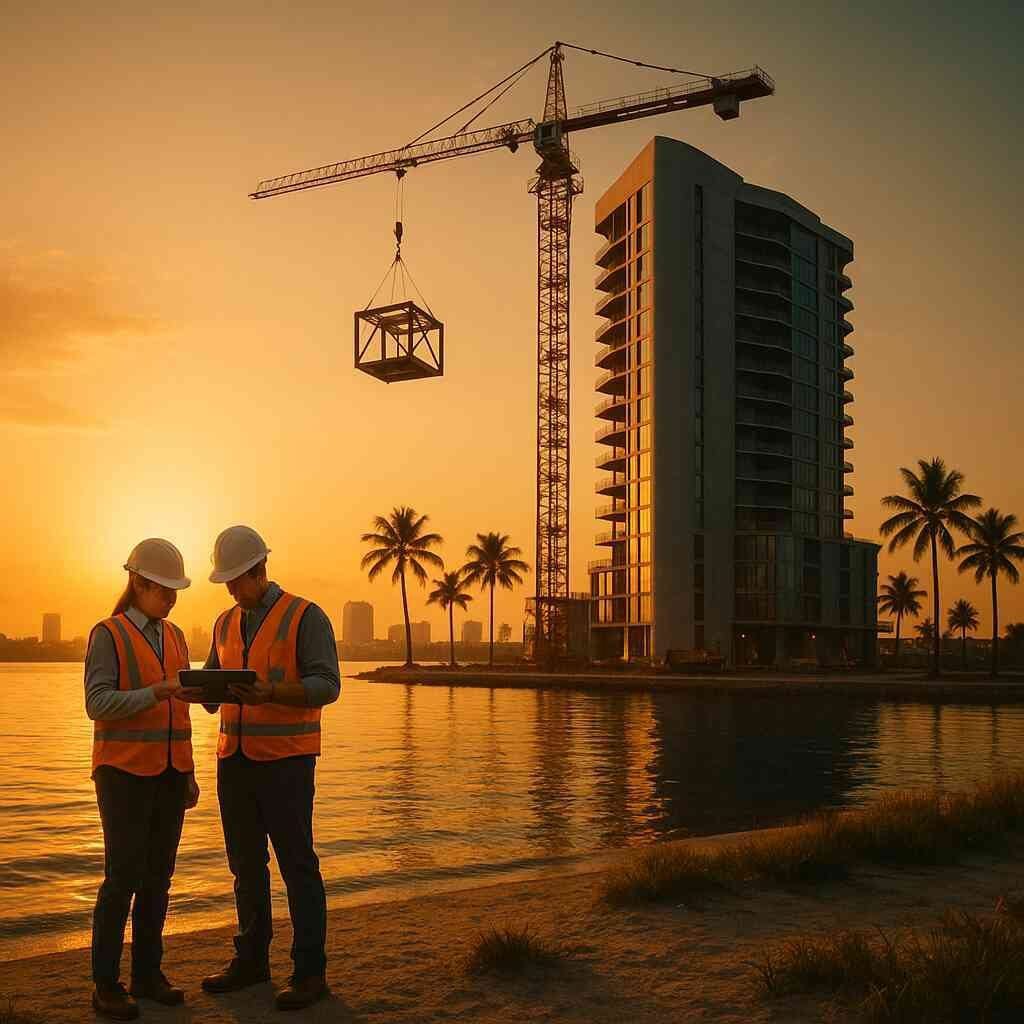
Why RENOVA Stands Out in Fort Lauderdale Construction
Fort Lauderdale presents a rewarding but unforgiving environment for builders. From salt-heavy breezes to sudden tropical storms, every project must balance beauty with durability. RENOVA has earned a reputation for doing just that. This overview explains the company’s key innovations, project-delivery habits, and building techniques that keep new homes, offices, and mixed-use spaces standing strong along the Intracoastal Waterway.
Local Knowledge Meets Coastal Reality
Seasoned superintendents at RENOVA study the tide tables as closely as the drawing sets. That experience matters because:
- Salt corrosion attacks fasteners, railings, and mechanical units faster than on inland jobs.
- Wind uplift grows more severe on open waterfront lots.
- Flood maps shift as sea-level projections are updated.
By recognizing these threats early, project teams specify stainless hardware, high-strength concrete mixes, and elevated finished-floor heights before the first permit is filed. The result is a structure that laughs at storm season instead of scrambling to patch leaks later.
Building Beyond Minimum Code
Broward County’s building code is already strict, yet RENOVA routinely adds another safety margin. Hurricane-rated glazing, continuous load paths, and redundant drainage layers are standard, not upgrades. Homeowners enjoy panoramic glass walls and sculptural terraces without sacrificing peace of mind.
Adaptive Reuse: Giving Old Buildings a Second Life
Downtown Fort Lauderdale’s warehouse blocks are transforming into tech lofts and gallery rows. Rather than demolish, RENOVA stabilizes original masonry, laser-scans every beam, and inserts modern utilities behind historic walls. The company’s adaptive-reuse approach offers three big advantages:
- Speed – Reusing a stable shell avoids lengthy entitlement cycles tied to new ground-up builds.
- Cost Efficiency – Keeping existing materials in place reduces concrete and steel demands.
- Cultural Value – Brick façades and bow-truss ceilings preserve the city’s industrial character, attracting tenants who want authenticity.
These projects also score well on sustainability checklists. Less debris heads to the landfill, and embodied carbon stays locked in older structures rather than being re-released by demolition.
Client-Centric Project Delivery
RENOVA’s work feels collaborative because it is. Every project launches with a short discovery workshop, followed by clear digital dashboards that show schedule, cost, and design milestones in real time. Owners, architects, and subcontractors share a single source of truth, preventing surprises.
Weekly site walks let clients experience progress first-hand. If a homeowner decides the stair rail should be darker or a restaurateur wants an extra walk-in cooler, design tweaks are logged and cost-scored immediately. Transparent information speeds decisions and cuts rework.
Advanced Construction Methods in Action
Tilt-Wall Construction
Casting concrete panels horizontally on site, then lifting them into place, reduces months of painstaking block work. Surface finishes come out smooth because forms are prepared at ground level under controlled conditions. Once erected, the panels already contain embedded plates for mechanical equipment, balconies, and canopies. Fewer tradespeople overlap, trimming labor costs and safety risks.
Prefabricated Components
Mechanical shafts, bathroom pods, and utility racks arrive ready for installation. Prefab brings factory precision to the job site and eliminates weather-related delays. For a recent waterfront condo, RENOVA set fully plumbed bathroom modules with a crane in hours rather than weeks.
Smart-Building Integration
High-performance does not stop at the envelope. RENOVA coordinates with low-voltage specialists to weave fiber, security, and energy-monitoring systems into walls while framing is still open. Owners gain plug-and-play building analytics without costly retrofits down the road.
Sustainability Without Compromise
Clients often assume that stronger, smarter buildings require exotic materials. RENOVA shows that good engineering can produce both resilience and sustainability through:
- High-strength concrete blended with supplementary cementitious materials to cut carbon content.
- Continuous insulation systems that fend off humid air and slash HVAC loads.
- Native landscaping that manages stormwater naturally while supporting local ecosystems.
When energy models predict a simple payback under five years, many clients choose solar canopies or battery storage as well. These upgrades turn a tropical weakness—abundant sun—into a long-term advantage.
Real-World Examples
Waterfront Custom Home
A three-story residence on Las Olas Isles needed panoramic views but also level-3 impact protection. RENOVA deployed laminated glass rated to 170-mph winds and elevated living spaces above projected flood lines. Discreet structural steel frames allowed floor-to-ceiling openings without bulky mullions. The home now endures storm season while maintaining the light-filled, modern aesthetic the owners envisioned.
Historic Warehouse Conversion
What began as a 1950s boat-propeller warehouse is now a coworking hub buzzing with tech start-ups. Original brick walls were repointed, and a new steel mezzanine floats within the volume, leaving clerestory windows untouched. An energy-efficient VRF HVAC system hides behind acoustic baffles, preserving the raw industrial vibe.
Fast-Track Retail Build-out
A national retailer secured a prime corner near Las Olas Boulevard but needed to open before holiday shopping. RENOVA deployed prefabricated storefront systems and captured inspection approvals in parallel with fit-out work. The store welcomed customers in 14 weeks—three weeks ahead of the chain’s aggressive schedule—without a single change order dispute.
Keys to RENOVA’s Ongoing Success
- Proactive Risk Analysis – Flood, wind, and corrosion are modeled up front.
- Integrated Technology – BIM coordination and cloud dashboards keep everyone aligned.
- Skilled Craftsmanship – Local carpenters and masons understand South Florida’s unique climate demands.
- Open Communication – Transparent cost reports and weekly check-ins reduce surprises.
- Continuous Improvement – Field feedback loops refine details from one project to the next.
Looking Ahead
Fort Lauderdale’s skyline will keep evolving as population growth and climate pressures intersect. RENOVA plans to leverage even more off-site fabrication and machine-guided layout tools to raise quality while shortening schedules. Expect adaptive-reuse towers, net-zero waterfront estates, and mixed-use campuses that integrate renewable power, micro-grids, and advanced water-management systems.
For property owners, developers, and community members alike, the takeaway is simple: thoughtful construction can deliver aesthetics, strength, and sustainability in equal measure. RENOVA’s track record in Fort Lauderdale proves that coastal challenges are not obstacles—just opportunities for smarter building.
Building in South Florida demands more than a hammer and nails. It requires a partner who respects the coastline, understands complex regulations, and sees every structure’s potential. RENOVA continues to set the benchmark for that balanced expertise—innovating today so Fort Lauderdale can thrive tomorrow.
Understanding RENOVA's Innovation in Fort Lauderdale


Comments
Post a Comment