Revitalizing Delray Beach: Construction’s Role in Urban Life
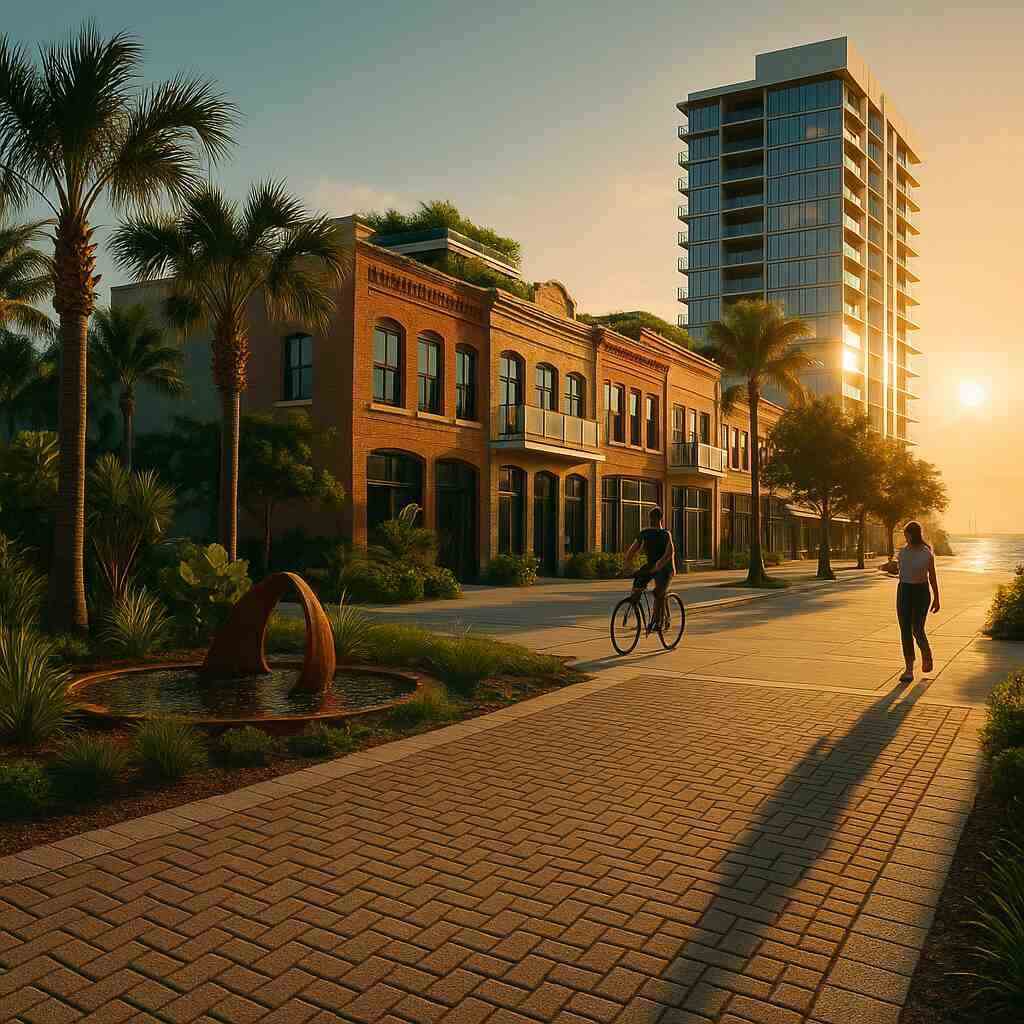
Delray Beach Construction: Creating Vibrant Urban Spaces
Delray Beach is no longer polishing its streets with a quick coat of paint. Modern projects weave together historic charm, coastal resilience, and twenty-first-century infrastructure. This overview explains how thoughtful construction strategies are turning the city’s blocks into welcoming, walkable, and economically strong places to live, work, and visit.
Why Revitalization Matters
A healthy downtown keeps residents engaged, attracts diverse employers, and protects property values. In Delray Beach, the stakes feel higher because the city sits on prized shoreline while facing seasonal storms and intense visitor traffic. Holistic revitalization tackles these pressures by coordinating land use, architecture, mobility, and ecology rather than treating each project as an isolated lot.
Community-Centric Planning in Action
Successful upgrades begin with dialogue, not demolition. Design teams host workshops where long-time residents, local artists, and business owners map out pain points—such as narrow sidewalks or outdated storefronts—and share aspirations for affordable housing, gallery space, or micro-parks. Digital twins of each neighborhood then translate these ideas into buildable phases. By showing everyone how daylight, sea-breeze patterns, and future infrastructure connect, the model builds consensus early and trims months off the approval process.
Key elements that consistently rise to the top during these sessions include:
- Ground-floor retail that supports mom-and-pop shops instead of large chains.
- Mixed-income housing layered above offices or studios to preserve diversity.
- Pocket plazas that double as farmers’ markets, art fairs, or evening concerts.
- Sculptural shade structures and native landscaping that soften the tropical sun.
Adaptive Reuse: Saving History, Adding Value
Many downtown storefronts date back to the early twentieth century. Their coral-rock details, terrazzo floors, and Dade County pine beams are irreplaceable. Rather than scrape these buildings, contractors perform laser scans to understand every angle and settle new steel frames inside the old shells. Modern HVAC, low-e glazing, and high-efficiency insulation hide behind original façades, giving tenants energy savings without sacrificing character.
Adaptive reuse offers three clear benefits:
- Shorter construction schedules because exterior walls remain in place.
- Lower embodied carbon compared with pouring a brand-new concrete structure.
- Authentic street appeal that draws visitors seeking a sense of place, not a replica.
Local merchants appreciate that phased retrofits allow them to stay open during off-peak hours. Continuous foot traffic keeps cash registers ringing while improvements roll out, proving that preservation and profit can align.
Building for Pedestrians, Not Just Cars
Walkability sits at the heart of Delray Beach’s modern make-over. Wider sidewalks, tactile paving, and mid-block crossings give people confidence to stroll between cafés, galleries, and the beach. Interlocking pavers slow vehicles without the harshness of asphalt speed bumps. Street furniture crafted from recycled hardwood invites residents to rest under the shade of live oaks and royal poincianas.
At night, smart LED fixtures adjust brightness based on foot traffic, enhancing safety while minimizing energy use and light pollution. Wayfinding signage, designed in collaboration with local artists, tells short stories about the site’s heritage, turning a quick errand into an informal walking tour.
Sustainable Infrastructure Under the Sidewalk
What lies beneath the pavement matters as much as what meets the eye. Engineers route high-speed fiber conduits alongside upgraded water, power, and reclaimed-water lines so that streets do not need to be torn open again in a few years. Pervious pavers and linear bioswales capture runoff, easing pressure on storm drains during heavy downpours. Rain gardens planted with sea grape, muhly grass, and other salt-tolerant species filter pollutants before water re-enters the aquifer or lagoon.
Where space allows, underground vaults store excess stormwater for landscape irrigation. This closed-loop approach reduces both flooding risk and potable-water demand—two persistent concerns for coastal communities.
Economic and Social Payoffs
Well-designed public realms generate measurable returns:
- Higher retail sales: Pedestrian-friendly blocks keep shoppers on the street longer, driving up receipts for local businesses.
- Increased property values: Attractive, low-maintenance streetscapes signal long-term confidence, which appraisers reward.
- Healthier residents: Shaded sidewalks and safe bike lanes encourage daily exercise, lowering community healthcare costs.
- Greater resilience: Storm-ready landscapes and elevated mechanical systems help buildings reopen quickly after severe weather, protecting jobs and municipal tax revenue.
Perhaps the most significant benefit is less tangible: renewed civic pride. When neighbors see their ideas realized in brick, steel, and landscaping, they invest time and creativity back into the district, from hosting art walks to launching start-ups.
Key Takeaways for Property Owners and Residents
- Engage early. Community workshops shape designs and secure funding faster.
- Preserve first, replace second. Adaptive reuse saves money, emissions, and history.
- Prioritize people over vehicles. Every extra foot of sidewalk widens economic opportunity.
- Invest below grade. Smart utilities and green-infrastructure features prevent costly retrofits later.
- Celebrate local culture. Artisanal signage, murals, and heritage plaques turn construction sites into storytelling platforms.
Delray Beach’s recent projects illustrate that construction can do more than erect buildings. When guided by inclusive planning and resilient design, each renovation or new build becomes a stitch in a larger urban fabric—one that is stronger, greener, and more vibrant than before. Whether you own property downtown, manage a neighborhood association, or simply enjoy seaside walks, the city’s evolving streetscape shows what is possible when architecture, engineering, and community voices pull in the same direction.
How Does Delray Beach Construction Enhance Urban Spaces
Comments
Post a Comment