South Florida Interior Renovation Playbook: Coastal Resilience
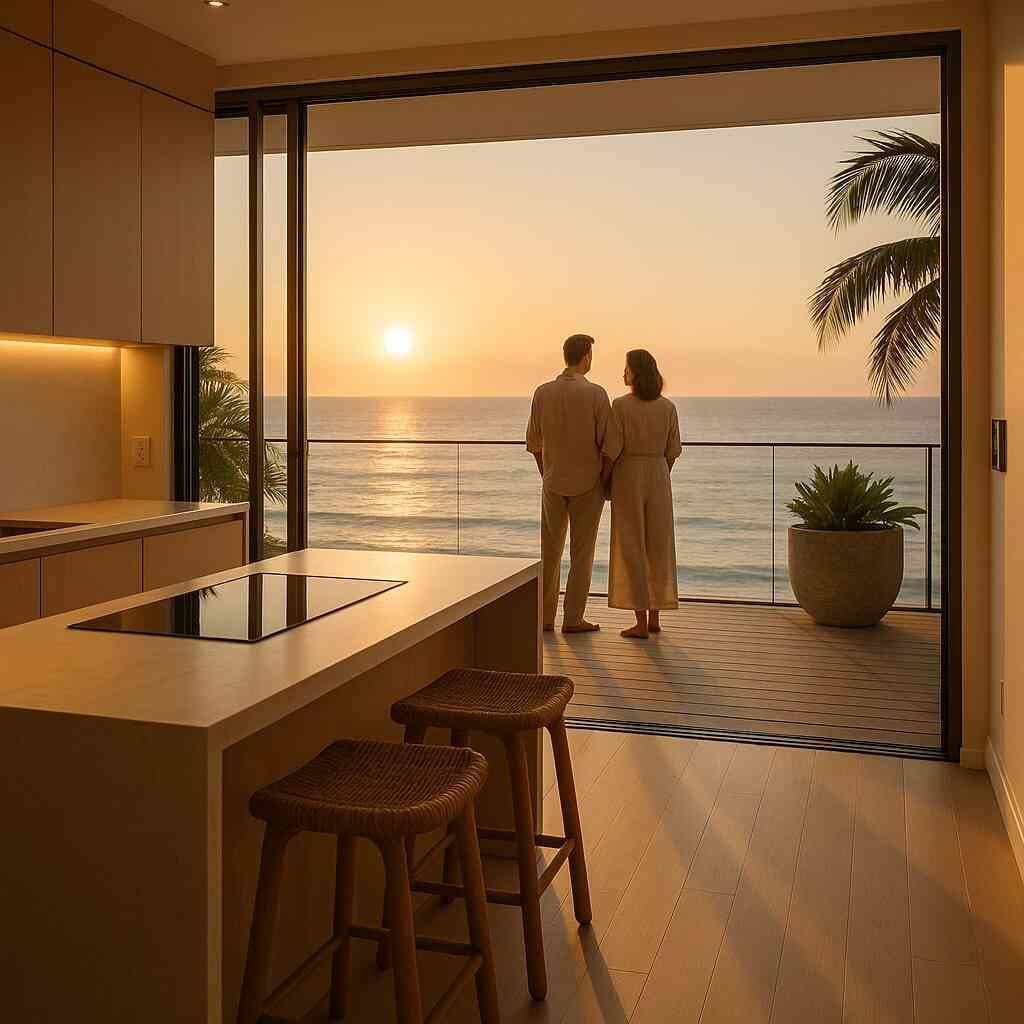
A Practical Guide to Renovating South Florida Interiors
South Florida interiors sit in a climate where salt air, tropical sun, and sudden storms constantly challenge materials and construction methods. This guide walks through a proven playbook—drawn from licensed-contractor practice—that keeps remodels beautiful, durable, and compliant from Delray Beach to Jupiter.
1. Why Coastal Homes Demand a Specialized Approach
The coastal strip from Palm Beach County southward experiences high UV, year-round humidity, and seasonal hurricane winds. Standard mainland finishes often fade, swell, or corrode within a single year. A renovation strategy must therefore focus on three priorities:
- Moisture control inside every wall and cabinet.
- Structural strength that exceeds current hurricane codes.
- Design choices that embrace indoor–outdoor living without sacrificing longevity.
Ignoring any one of these realities leads to peeling paint, warped floors, or insurance headaches. A sound playbook weaves them together from concept through punch-out.
2. Humidity-Resistant Materials That Earn Their Keep
Modern coastal design no longer forces homeowners to choose between beauty and performance. The following materials have proved reliable under relentless humidity and salt spray:
- Porcelain slab flooring – impervious to water and simple to sanitize.
- Marine-grade plywood – resists delamination in built-ins and window seats.
- Powder-coated aluminum – ideal for cabinet doors, vent covers, and indoor–outdoor furniture frames.
- Closed-cell spray foam – blocks moist air migration while adding structural stiffness.
- Corrosion-resistant fasteners – stainless or polymer-coated screws prevent staining on light finishes.
Pair these workhorses with breathable paints and VOC-free sealers to lock in color without trapping moisture. The result is an interior that feels light and elegant yet shrugs off daily exposure to sea breezes.
3. Licensed General Contractor Oversight
South Florida’s layered building codes evolve with every storm season. A licensed general contractor brings legal authority and on-the-ground know-how to keep projects safe and compliant:
- Wind-load calculations ensure framing, connectors, and glazing meet the newest velocity maps.
- Permit packages match municipal checklists, so reviews move quickly and inspections stay predictable.
- Trade coordination limits change orders by confirming rough-in locations before drywall closes.
- Supplier relationships secure impact-rated windows or specialty tiles long before lead times threaten the schedule.
The homeowner gains peace of mind—and often cost savings—because potential code conflicts are addressed on paper instead of during demolition.
4. Streamlined Permitting in Flood and Wind Zones
Palm Beach, Broward, and Miami-Dade counties each interpret state code through local amendments. A renovation plan passes more smoothly when it shows:
- Actual finished-floor elevations relative to current flood maps.
- Clearly labeled impact ratings on doors, windows, and skylights.
- Fastening schedules for roof sheathing and secondary water barriers.
- Product approvals for every exterior finish, from soffits to balcony railings.
Proactive documentation demonstrates respect for the inspector’s workload and typically shortens review cycles.
5. Design Strategies for Luxury Coastal Living
Technical competence sets the foundation, but lifestyle drives final satisfaction. The most successful South Florida remodels incorporate:
Seamless Indoor–Outdoor Flow
- 10- to 12-foot stacking doors that disappear into pockets.
- Continuous flooring materials from the great room onto the covered terrace.
- Ceiling fans rated for damp locations positioned to extend the micro-climate.
Hidden Hurricane Strength
- Concealed straps tying roof trusses to foundation clips.
- Removable art panels that double as protective window covers.
- Built-in benches storing battery backups and storm shutters.
Acoustic and Thermal Comfort
- Sound-attenuating drywall around media walls.
- Low-E, laminated glass that blocks UV and reduces street noise.
- Zoned dehumidifiers routed through the HVAC plenum to maintain 50 percent relative humidity.
Curated Coastal Aesthetics
- Soft whites, sea-foam greens, and coral accents for a relaxed palette.
- Natural-textured fabrics treated with nano-sealants for stain resistance.
- Balanced lighting plans that combine skylights, LED cove strips, and dim-to-warm pendants.
6. Construction Timeline Benchmarks
A mid-size interior renovation (2,500 sq ft) that touches kitchens, baths, and common areas typically follows this cadence:
| Phase | Duration | Key Milestones |
|---|---|---|
| Pre-construction | 4–6 weeks | Design freeze, engineering, permit submission |
| Demolition | 1 week | Selective removal, site protection installed |
| Framing & MEP rough-in | 3 weeks | Structural upgrades, new wiring, plumbing reroutes |
| Inspection block | 1 week | Rough trades, shear wall, and strapping approvals |
| Drywall & finish carpentry | 3 weeks | Moisture-resistant board, custom millwork set |
| Tile, flooring, and paint | 3 weeks | Humidity-stable adhesives, low-VOC finishes |
| Final trim & punch | 2 weeks | Hardware, smart-home devices, deep clean |
Actual duration varies by scope, but setting clear checkpoints keeps everyone aligned.
7. Budget Guardrails
Coastal upgrades cost more than mainland projects, largely due to code requirements and resilient materials. Reasonable 2025 allowances fall into these ranges:
- $225–$300 per square foot for a full interior overhaul using high-quality but not exotic finishes.
- 10 percent contingency earmarked for concealed water damage or framing irregularities.
- 2 percent allocated to post-completion maintenance such as annual impact-window service.
Transparent pricing up front prevents sticker shock and lets owners prioritize splurge items—perhaps a quartzite waterfall island—while maintaining overall balance.
8. A Quick Homeowner Checklist
Before signing a construction agreement, confirm the following:
- Contractor license and insurance active in the specific county.
- Detailed scope listing materials by manufacturer, not “or equal.”
- Project calendar with weather-delay allowances and decision deadlines.
- Warranty terms covering workmanship and manufacturer defects.
- Plan for debris disposal and daily site cleanliness.
9. Final Thoughts
A South Florida interior remodel succeeds when engineering, permitting, and coastal style all move forward together. Humidity-resistant materials preserve elegance, while licensed-contractor oversight meets the region’s stringent codes. By following the playbook outlined above, homeowners can enjoy bright, resilient spaces that feel resort-fresh long after hurricane season has passed.
For those ready to take the next step, gather inspiration boards, confirm municipal requirements, and partner with professionals experienced in coastal renovation. A clear plan today means relaxed, worry-free living tomorrow.
The Ultimate RENOVA Playbook for South Florida Interiors


Comments
Post a Comment