West Palm Beach Interior Innovation: RENOVA’s 2025 Playbook
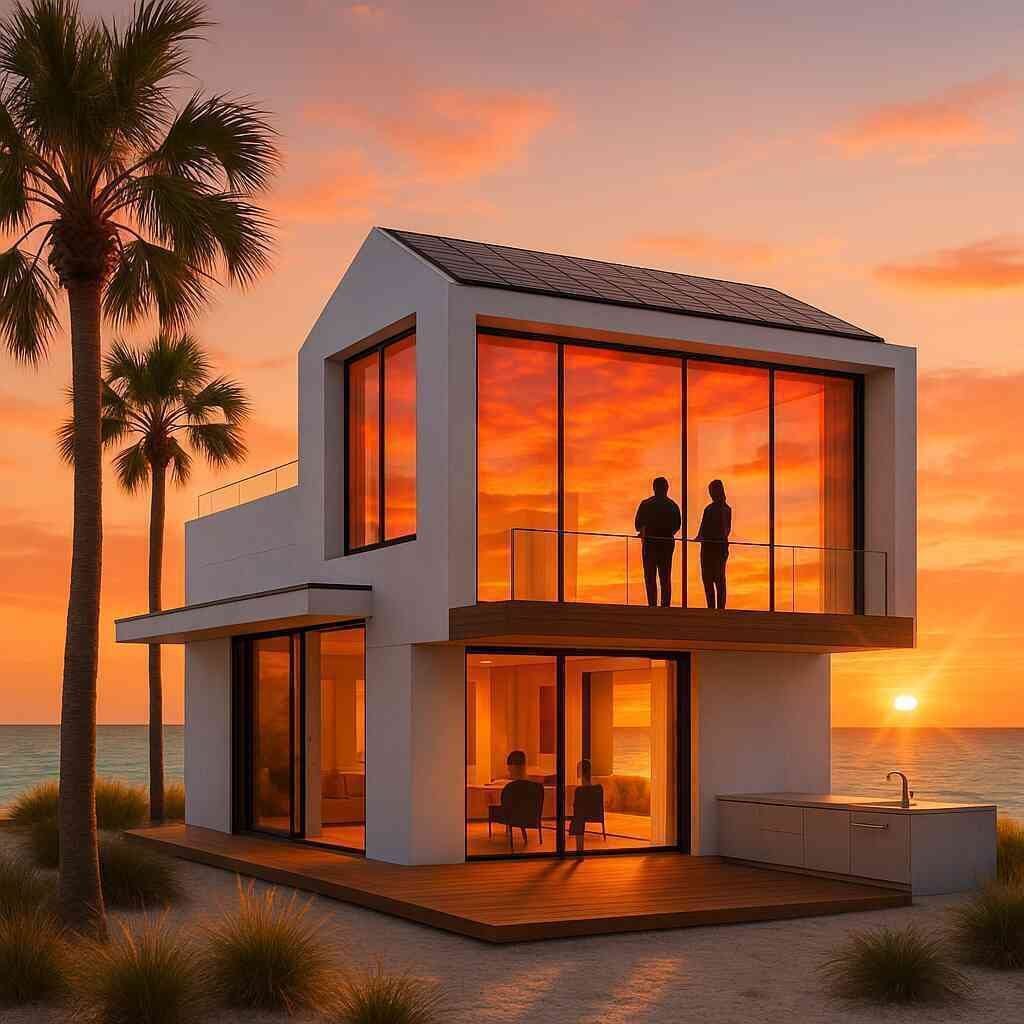
Inside the 2025 Interior Evolution
West Palm Beach homes have always absorbed coastal influence, but in 2025 the conversation has moved beyond style alone. Practical resilience, net-zero targets, and immersive design technology now shape every decision. This overview unpacks how RENOVA, a long-standing general contractor in Palm Beach County, is weaving these threads into a new standard for interior remodeling.
What Has Changed Since the Last Style Cycle?
Code-Driven Resilience
High-impact windows and advanced roof insulation are no longer elective upgrades. Stricter local codes, created to blunt hurricane damage, require contractors to merge aesthetics with Category 5 performance. As a result, structural engineers, designers, and energy consultants now collaborate from day one.
Client Priorities
Homeowners want spaces that balance wellness, sustainability, and smart automation. A master bath might include chromotherapy lighting, zero-threshold entry, and water-recapture plumbing—all monitored by a single mobile dashboard.
Supply Chain Maturity
Costs for smart glass, 3-D-printed cabinetry, and bio-based insulation have fallen sharply. The drop removes the budget premium that once discouraged early adopters.
RENOVA’s Data-First Method
RENOVA documents labor hours, weather interruptions, and material lead times across hundreds of jobs. Machine-learning models then suggest the most efficient sequencing. For example:
- Concrete is poured before 10 a.m. to minimize humidity-driven curing issues.
- Cabinet fabrication begins only after AI software confirms electrical rough-in tolerances, lowering rework risk.
- Subcontractors receive dynamic schedules that shift automatically when a truckload of flooring is delayed at the port.
This tight feedback loop keeps typical kitchen renovations on track even during the high-season rush from November through April.
Design Visualization in Real Time
AI Concept Generation
Clients see photoreal renderings update as soon as a wall moves on the plan. The software cross-checks local wind-load data in the background, allowing designers to adjust without triggering code violations later. Because every line item is linked to a live budget, it is easy to swap basalt countertops for recycled glass and immediately view the cost delta.
VR Walkthroughs
Once concepts stabilize, RENOVA exports the model to a headset-ready environment. Homeowners can “feel” ceiling heights, test lighting scenes, and review door swings from an accurate first-person perspective. The immersive step cuts down on change orders that traditionally appear only after framing is finished.
Material Choices That Reflect the Climate
- Luxury vinyl plank (LVP): Wide-plank LVP resists moisture yet mimics the tone of aged oak, a look that pairs well with streamlined coastal décor.
- Engineered quartzite: Durable surfaces reduce lifetime maintenance in salt-air environments.
- Phase-change drywall: Embedded micro-capsules absorb excess heat in the afternoon, reducing cooling loads without visible bulk.
- Low-VOC sealants: Indoor air quality improves, a priority for homeowners combining office space with living areas.
Smart Home Integration Checklist
- Dedicated fiber conduit in walls for future topology changes.
- PoE lighting grids that support circadian rhythms and lower electricity use.
- Edge-based sensors tracking humidity and temperature, feeding a predictive HVAC algorithm.
- Battery-ready electrical panels that allow easy expansion into whole-home storage.
Wellness-Centric Layouts
Biophilic Planning
Larger window openings, integrated planters, and living walls reinforce the indoor-outdoor connection without compromising storm resistance.
Spa-Inspired Baths
A curbless shower merges seamlessly into large-format porcelain floors. Steam modules and aromatherapy dispensers turn routine routines into restorative rituals. Anti-microbial grout and sealed niches keep maintenance practical.
Construction Management in an Uncertain Climate
South Florida’s rainy season can slow exterior work, but RENOVA’s forecasting tools reallocate crews to interior phases during downpours. The system also notifies homeowners if a critical milestone is at risk, maintaining trust through transparency.
Financial Incentives Fueling Adoption
- Federal tax credits for energy-efficient HVAC units installed in 2025.
- Insurance discounts for verified hurricane-resilient features, including window and door upgrades.
- Utility rebates tied to peak-load-shifting smart thermostats and solar integrations.
By stacking these incentives, many projects offset a meaningful portion of their upfront premium compared with a code-minimum remodel.
Practical Tips for Planning a 2025 Remodel
- Engage a contractor comfortable with both structural engineering and digital modeling.
- Request a life-cycle cost analysis; long-term savings often justify higher-performing materials.
- Lock in key finishes early—popular LVP lines and matte-black fixtures still sell out during tourist season.
- Allocate contingency for supply fluctuations; five percent is typical, but tech-heavy projects may warrant slightly more.
Looking Ahead
Interior trends ebb and flow, yet the 2025 wave in West Palm Beach feels more foundational. Energy dashboards, VR design, and code-mandated resilience form a baseline that future upgrades will build upon rather than replace. RENOVA’s approach—anchored by data, transparency, and a willingness to test emerging tools—illustrates how an experienced contractor can lead change without sacrificing craftsmanship.
For homeowners considering a renovation, the takeaway is clear: the conversation has moved past paint colors. Structural foresight, digital precision, and wellness metrics now define what “updated” means in West Palm Beach. Incorporating these elements today positions any property to meet both lifestyle goals and regulatory demands well into the next decade.
https://www.letrenova.com/how-renova-innovates-west-palm-beach-interiors-in-2025/


Comments
Post a Comment