2026 Complete Guide to West Palm Beach Office Retrofit Costs
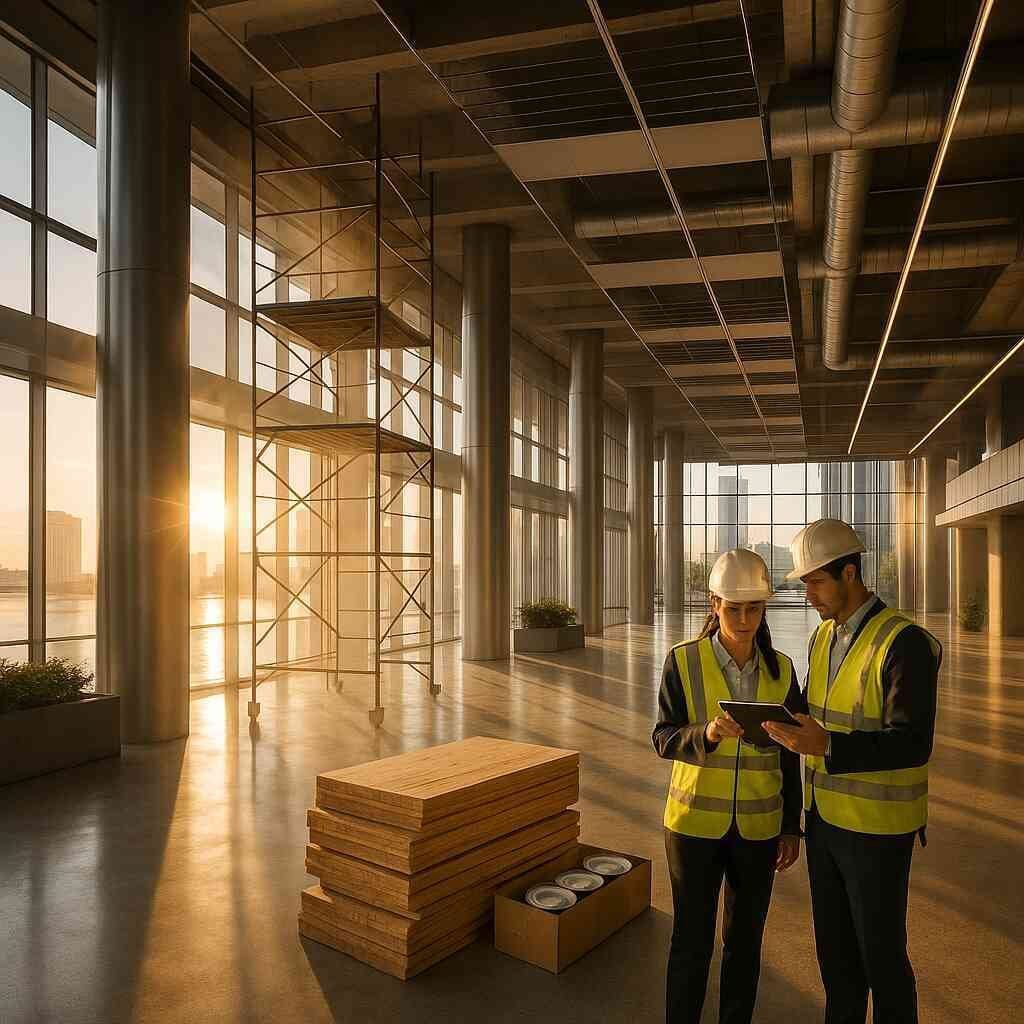
West Palm Beach landlords and corporate tenants are pouring new attention—and new dollars—into existing office buildings. This guide breaks down why retrofit activity is accelerating in 2026, what drives the price per square foot, and how smart planning protects both budgets and long-term asset value.
Why Retrofits Matter More Than Ever
Downtown towers used to compete on views of the Intracoastal. Today, decision-makers tour mechanical rooms and test Wi-Fi strength before they glance out the window. Companies want healthier, tech-ready space that supports hybrid schedules and conveys brand culture. Buildings that cannot deliver face longer vacancies and steeper concession packages. Renovation is therefore a revenue strategy, not a cosmetic luxury.
Three market forces make West Palm Beach a retrofit hot spot:
- Inbound growth in finance, law, and tech. High-wage firms relocating from the Northeast expect Class A interiors on day one.
- Tight land supply. Ground-up construction downtown is limited, pushing owners to modernize instead of replace.
- Climate and code pressure. Stricter energy and resilience standards mean legacy systems are aging out faster than anticipated.
Major Cost Buckets at a Glance
Every project is unique, but most office retrofits fall into five broad categories:
| Category | Typical Share of Total Budget |
|---|---|
| Base building shell & code corrections | 15–25% |
| Mechanical, electrical, plumbing (MEP) | 20–35% |
| Interior finishes & fixtures | 15–25% |
| Technology & security | 5–10% |
| Soft costs & contingency | 10–15% |
The mix shifts with building age, target certification level, and tenant program. Below is a closer look at the items that most often surprise owners.
1. Shell and Structural Upgrades
• Envelope repairs. Coastal humidity accelerates corrosion in window frames and post-tension cables. Removing and replacing failed sealants adds labor hours that rarely appear in initial wish lists.
• Restroom core relocations. Updating accessibility clearances sometimes forces entire plumbing stacks to move, triggering slab cuts and new fire proofing.
• Windborne-debris protection. If original glazing predates newer impact standards, an upgrade may be mandatory before any permit is issued.
2. HVAC Modernization and Lighting
Fresh-air demand rose sharply after the pandemic. Retrofitting an existing air-handling unit for higher outside-air ratios can entail:
- Larger chillers or additional fan coils
- Variable frequency drives to manage energy spikes
- Rebalancing ductwork to avoid noise complaints
Pairing these upgrades with LED relighting and daylight sensors often proves cost-neutral over time because utility savings offset financing expense.
3. Power, Data, and Low-Voltage Systems
Hybrid work equals denser video calls and ubiquitous charging. Key drivers here include:
- Redundant fiber pathways to avoid downtime
- Distributed antenna systems (DAS) for cell service in concrete cores
- Access-control readers that integrate with mobile credentials
Early coordination among the electrician, security integrator, and furniture vendor prevents costly re-runs later.
4. Finishes That Influence Culture
Tenants increasingly request:
- Biophilic wall coverings and living plants
- Height-adjustable benching instead of cubicles
- Acoustic ceiling clouds above collaborative zones
The material premium is minor compared with talent retention gains, but finishing schedules must align with supply-chain realities. Imported terrazzo may carry a 16-week lead time; local polished concrete can pour next month.
Pricing Benchmarks for 2026
The following square-foot ranges reflect competitive bids RENOVA has seen in the first quarter of 2026 for multistory, 10,000–50,000 sq ft projects in the downtown core:
- Light refresh (paint, carpet, LED swap): $35–$55 per sq ft
- Full tenant-ready renovation: $80–$125 per sq ft
- Deep retrofit with system replacement and lobby re-positioning: $140–$185 per sq ft
Smaller suburban footprints may trend 5–10% lower on labor, while tightly phased occupied renovations can run 10–15% higher due to night work and air-quality controls.
Controlling Costs Without Sacrificing Quality
- Audit existing conditions first. Thermal scans, airflow tests, and structural probes cost a fraction of the change orders they prevent.
- Bundle scopes strategically. If the building will need new risers in two years, combine them with the current restroom overhaul and avoid multiple access disruptions.
- Lock in long-lead items early. Generators, air-handling units, and switchgear are still posting 20-week timelines. Pre-purchase keeps schedules intact.
- Prototype flexible zones. Modular walls and raised flooring let owners pivot layouts as tenant mixes evolve, extending life-cycle value.
- Set a realistic contingency. 10% is the minimum for buildings older than 20 years; 15% is prudent when drawings are incomplete.
Return on Investment Beyond Rent
A renovated workplace delivers measurable gains beyond face-rate rent:
• Higher renewal probability. Tenants that invest in branded, wellness-oriented space tend to resign early, reducing downtime.
• Operational savings. Right-sizing air-flow and LED relighting can trim energy bills 20–30%, improving net operating income.
• Insurance advantages. Modern life-safety systems and impact glazing can lower premiums, especially in hurricane-exposed zones.
• ESG alignment. Energy-efficient retrofits help corporate occupants hit carbon-reduction goals, a differentiator in competitive talent markets.
A Phased Roadmap for Owners
- Condition assessment – Identify code gaps, system capacity, and structural needs.
- Concept design & budget – Align scope with market comps and leasing strategy.
- Preconstruction – Confirm lead times, negotiate trade buy-outs, finalize phasing.
- Execution – Maintain air quality, coordinate tenant communications, monitor cost logs.
- Commission & turnover – Verify system performance, update digital models, and train facility staff.
Following this sequence keeps surprises to a minimum and positions the asset for immediate marketing once construction wraps.
Key Takeaways
- Rising tenant expectations, scarce development sites, and evolving codes make retrofit investment a competitive necessity in 2026.
- HVAC modernization, envelope repairs, and technology integration are the three biggest cost drivers—plan for them early.
- Smart bundling, flexible design elements, and rigorous preconstruction analysis are the surest ways to protect budgets.
- Beyond per-square-foot math, renovated offices boost retention, reduce operating expenses, and future-proof property value.
Understanding these fundamentals equips owners, asset managers, and corporate occupiers to navigate West Palm Beach office retrofit costs with confidence and clarity.
RENOVA Insights into West Palm Beach Office Retrofit Costs


Comments
Post a Comment