Boca Raton Renovation Contractors: Mastering 2026 Coastal Codes
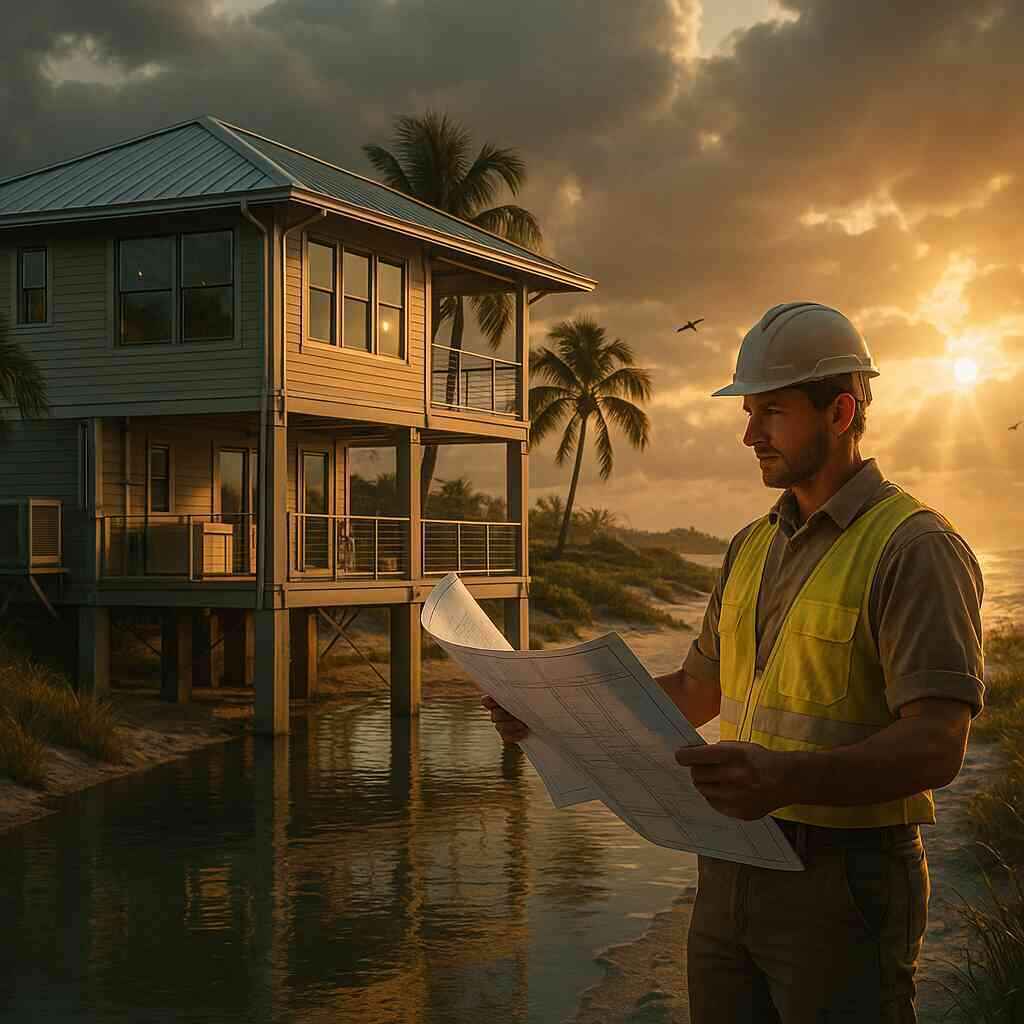
Decoding Boca Raton’s Latest Coastal Construction Rules
Every renovation contractor working along Boca Raton’s shoreline now faces an updated set of coastal codes for 2026. These regulations dictate everything from fastening schedules to elevation heights, and understanding them is essential for safe, efficient projects. This guide breaks down the most important provisions and explains how seasoned professionals translate code language into durable, storm-ready homes.
Why the Codes Keep Changing
Boca Raton’s waterfront is beautiful but exposed. Stronger hurricanes, rising tides, and new engineering research continually push local officials to strengthen requirements. In practice, this means:
- Higher design wind speeds in structural calculations.
- Larger freeboard (extra height above base flood elevation).
- Expanded use of corrosion-resistant materials in splash zones.
For contractors, staying current is less about passing the next inspection and more about delivering long-term resilience. A missed update can trigger stop-work orders, costly re-engineering, or liability if a future storm exposes weaknesses.
Flood Zone and Velocity Zone Basics
Boca Raton parcels fall into three broad categories:
- A-Zones (General flood risk) – Require elevation of habitable space above predicted flood levels.
- V-Zones (Velocity zones) – Experience wave action. They demand open foundations (often pilings) and breakaway walls.
- X-Zones (Minimal risk) – Fewer elevation rules but still subject to wind-load criteria.
Before design starts, contractors pull FEMA maps, municipal overlays, and the latest survey data. Laying this information over digital terrain models helps anticipate water flow paths, slab heights, and utility placements. Early diligence here prevents last-minute redesigns when permit reviewers request clarifications.
Key Takeaways for 2026
- Freeboard in many V-Zones has increased by 12–18 inches.
- Mechanical equipment must sit above the new design flood elevation or be fully sealed.
- Foundation anchorage in velocity zones now requires deeper embedment to counter scour potential.
Wind Load Engineering: From Roof to Footing
Hurricanes create uplift, shear, and suction forces that can peel off roofs or rack walls. The 2026 codes call for:
- Design wind speed of 170 mph for most coastal Boca Raton addresses.
- Continuous load path from roof sheathing to foundation, verified by rated connectors and fasteners.
- Enhanced roof sheathing nailing: 6" o.c. field, 4" o.c. edges in critical zones.
Contractors mitigate uplift by specifying:
- Stainless or hot-dipped galvanized hurricane straps at every rafter or truss seat.
- Threaded rod tie-down systems running through multiple floors.
- Additional blocking at corners and eave edges where negative pressure peaks.
Field crews must confirm torque values and nail patterns before sheathing is covered. Digital inspection apps make it easy to document compliance, keeping the building department and the homeowner fully informed.
Impact-Rated Openings and Envelope Protection
A continuous pressure envelope keeps wind and water out even if debris strikes. The 2026 standards require:
- Large missile impact glass or approved shutter systems on all glazed openings.
- Reinforced entry doors with three-point locking hardware.
- Garage doors rated for design wind pressure, including positive and negative loads.
Where cost is a concern, contractors often phase upgrades, prioritizing the most vulnerable elevations first. However, mixing rated and non-rated units in the same wall is discouraged because pressure imbalances can force failure at the weakest opening.
Combating Salt-Air Corrosion
Salt spray accelerates decay in unprotected metals and finishes. The new code references ASTM standards for corrosion resistance, pushing projects toward:
- 316 stainless fasteners in exposed conditions.
- Marine-grade plywood or fiber-cement products for exterior trims.
- Vapor-tight membranes behind claddings to stop moist air migration.
Routine maintenance plans, delivered at project close-out, help owners understand cleaning schedules, sealant life cycles, and recommended inspections. A clear plan extends service life by years and protects the contractor’s reputation.
Permitting and Variances: A Practical Roadmap
Navigating Boca Raton’s coastal permitting process involves three main checkpoints:
- Zoning review – Confirms setbacks, building height, and flood zone placement.
- Plan review – Validates structural, mechanical, and electrical compliance.
- Site inspections – Verifies field execution at staged intervals.
When existing site conditions make strict adherence impossible (historic structures, lot constraints, or unique topography), contractors may pursue a coastal variance. Success hinges on clear engineering narratives, risk mitigation strategies, and often neighbor notification. Submitting complete, well-organized packets saves weeks of back-and-forth with review staff.
Integrating Codes Into Daily Workflows
The most efficient renovation teams embed compliance into every task:
- Pre-construction – Hold code briefing sessions with subcontractors.
- Procurement – Tag each material with its relevant approval or rating.
- Field supervision – Use checklists aligned with inspection stages.
- Close-out – Provide owners with labeled drawings and maintenance guidelines.
This systematic approach avoids the scramble of last-minute corrections, keeps schedules predictable, and positions the contractor as a trusted advisor rather than a rule follower.
Looking Ahead
Future updates will likely tighten energy performance and address climate-driven sea-level projections. Contractors who invest in continuous learning and collaborative relationships with inspectors will adapt fastest.
Quick Reference Checklist
- Verify current flood and velocity zone maps before design.
- Calculate wind loads using 170 mph basic speed for most coastal areas.
- Specify continuous load paths with rated connectors and documentation.
- Install impact-rated windows, doors, and garage doors throughout.
- Select 316 stainless or equivalent corrosion-resistant hardware.
- Develop clear maintenance guidelines for owners at turnover.
Final Thought
Complying with Boca Raton’s 2026 coastal codes is more than meeting minimums; it is about protecting lives, investments, and the unique charm of the South Florida coastline. By translating dense regulations into practical steps, renovation contractors transform compliance into craftsmanship and deliver projects built to last.
Boca Raton Renovation Contractor Decoding 2026 Coastal Codes


Comments
Post a Comment