Climate-Smart Remodeling Trends for South Florida Homes 2026
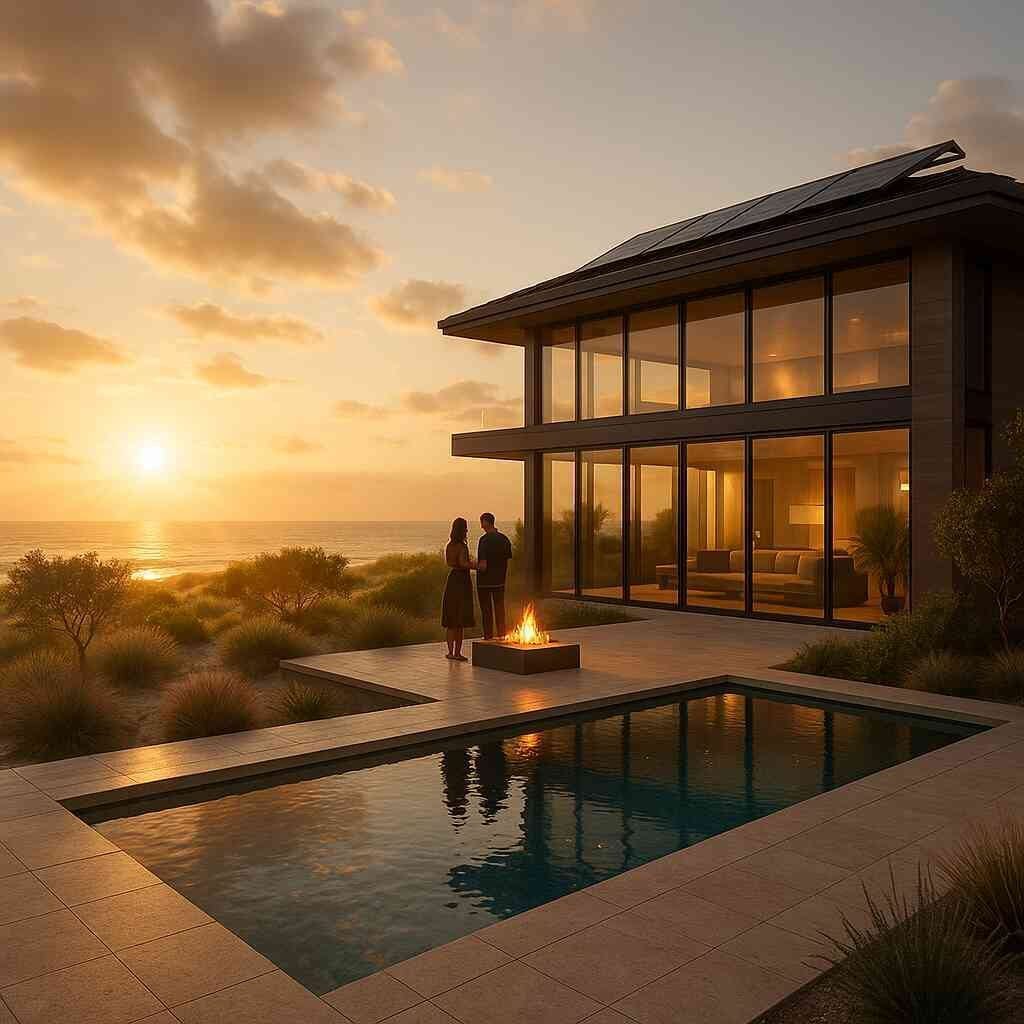
Why 2026 Is a Pivotal Year for Coastal Remodeling
South Florida homes face intense sun, salt-laden air, and the growing threat of stronger storms. Forward-thinking remodels must now balance resilience, energy performance, and indoor-outdoor living. This overview highlights how RENOVA’s design team is translating those demands into practical construction details that homeowners can implement in 2026 and beyond.
1. Building Envelopes That Act Like Exoskeletons
A high-performance envelope is the starting line for any climate-responsive remodel.
Key specifications
- Continuous exterior insulation eliminates thermal bridges while preserving wall breathability.
- Sealed sheathing panels combine structural strength with advanced vapor control. They keep wind-driven rain out without trapping interior moisture.
- Impact-rated windows with smart glass block infrared heat, filter glare, and withstand hurricane pressure. Many models now pair low-e coatings with integrated UV sensors that auto-tint on cloudless afternoons.
Benefits you feel immediately
- Stable indoor temperatures even before the air conditioner cycles on.
- Noticeably quieter interiors during coastal winds.
- Lower peak loads on HVAC equipment, extending service life and trimming utility bills.
2. Roofing Systems Ready for Both Storms and Solar
The roof receives the harshest exposure. RENOVA favours assemblies that reduce heat gain while locking down against uplift.
- Self-adhered waterproof membranes form a continuous seal, eliminating nail penetrations that can become leak points.
- Reflective metal panels bounce infrared radiation away, cutting attic temperatures by double-digit degrees.
- Concealed fasteners in corrosion-resistant alloys survive salt spray far longer than standard galvanized hardware.
- Pre-installed solar mounting rails add negligible cost during a reroof yet prevent expensive retrofits when homeowners later add PV or battery storage.
3. Passive Cooling Strategies That Shrink Energy Demand
Mechanical systems work best when architectural decisions carry some of the load.
Design moves making the difference
- Deep overhangs and recessed balconies shade glazing during high-angle summer sun while letting winter light penetrate.
- Cross-ventilation corridors align operable windows with prevailing winds, encouraging natural airflow on mild days.
- Light-colored exterior finishes and pavers reflect solar radiation instead of absorbing it.
These tactics frequently slash cooling demand 10–15 percent before any equipment upgrade is considered.
4. Indoor-Outdoor Living Without the Leaks
South Floridians treat lanais and patios as extensions of the family room. The challenge is maintaining weather resistance when walls disappear.
- Multi-track sliding glass panels roll completely away, yet seal tight against water intrusion when closed.
- Flush transition sills create a barrier-free threshold that still meets ADA guidelines and resists wind-driven rain via concealed drainage channels.
- Durable composite decking resists swelling and fading, keeping the aesthetic seamless from tile floor to pool coping.
5. Kitchens and Baths Built for a Humid Climate
High-use rooms suffer most from moisture. 2026 upgrades focus on energy efficiency and durability.
In the kitchen
- Induction cooktops reduce ambient heat, keeping the space comfortable without overworking the AC.
- Low-velocity ceiling fans circulate conditioned air gently, preventing stratification.
- Reconstituted stone counters offer the look of marble with higher resistance to staining and etching caused by salty air.
In the bath
- Aromatherapy steam showers now feature integral dehumidifiers, preventing mold growth in adjacent closets.
- Large-format porcelain panels minimize grout lines, a common weak point in humid spaces.
- Antimicrobial exhaust fans with humidity sensors ramp up automatically after each use.
6. Smart Water Stewardship Outdoors
Native landscapes not only survive dry spells; they also cut maintenance time.
- Drought-tolerant grasses and groundcovers replace water-hungry turf.
- Drip irrigation fed by on-site cisterns captures roof runoff for reuse.
- Wi-Fi soil sensors talk to local weather data, tailoring irrigation schedules day by day and often reducing consumption by half.
7. Digital Workflows That Keep Projects on Track
RENOVA integrates technology from conception to punch list.
- Photorealistic VR walk-throughs let homeowners approve finishes before orders are placed, minimizing change orders.
- Cloud dashboards display daily logs, inspection photos, and budget status in real time, fostering transparency.
- AI-assisted scheduling analyzes supply-chain data to adjust sequencing proactively, protecting timelines even when material availability shifts.
8. Modular Additions for Growing Families
When square footage needs expand, modular construction can shave months off a traditional build.
- Factory-built sections arrive 80–90 percent complete, reducing neighborhood disruption.
- Units meet the same wind-load and impact criteria as site-built structures.
- Home offices, guest suites, or fitness studios can be added now and reconfigured later as life evolves.
9. Wellness-Forward Master Suites
Health continues to drive design choices.
- Biophilic features such as living walls improve air quality and provide a calming backdrop.
- Sound-dampening acoustic panels ensure restorative sleep even during nightly summer storms.
- Circadian lighting systems shift color temperature from energizing cool whites in the morning to warm ambers after sunset.
Practical Takeaways
- Start with the building envelope; everything else builds on that foundation.
- Combine passive cooling with efficient mechanical systems for the biggest payoff.
- Design indoor-outdoor transitions to perform as well as they look.
- Use digital modeling to make final decisions before construction starts.
- Plan today for future solar, storage, or space needs to avoid redundant work later.
Final Thoughts
Remodeling in 2026 is no longer just a style upgrade. It is an opportunity to harden the home against a changing climate, cut operating costs, and elevate day-to-day comfort. By merging advanced materials with data-driven project management, RENOVA is setting a new benchmark for what coastal living can look like—durable, efficient, and effortlessly connected to the outdoors.
Considering a renovation this year? Use these principles as a checklist when you vet designs, materials, and contractors. A well-planned project will pay dividends in resilience, efficiency, and enjoyment for decades to come.
Exploring RENOVA's Innovative Remodeling for 2026 Trends


Comments
Post a Comment