Delray Beach Construction Insights for 2026 Contractors
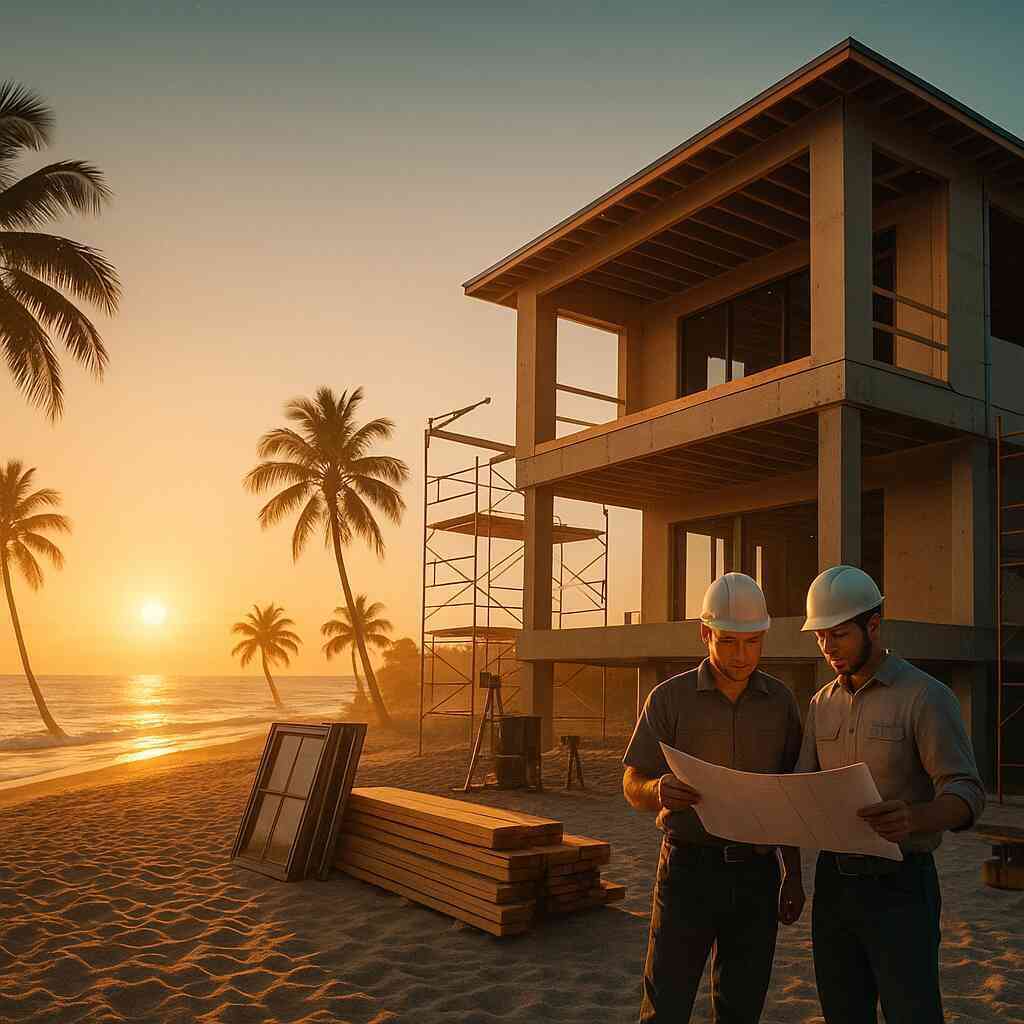
What Delray Beach Construction Really Means for Today’s Contractors
Delray Beach sits at the intersection of ocean-front glamour and hurricane-grade engineering. For builders, that mix creates a unique playbook—one that rewards meticulous permitting, adaptive scheduling, and an eye for upscale details. This overview breaks down the core lessons contractors can carry into any Palm Beach County project in 2026.
1. The Coastal Context Shapes Every Decision
Unlike inland communities, Delray Beach projects start with two realities: salt-laden air and wind loads that can exceed 170 mph. Those forces drive many of the design choices and inspection checkpoints that contractors must master.
- Material selection. Stainless fasteners, marine-grade hardware, and UV-stable sealants stand up best to continuous exposure.
- Building envelopes. Continuous water-resistive barriers, properly lapped flashing, and high-performance windows are non-negotiable. Crews that sequence these components correctly reduce callbacks and moisture claims.
- HVAC sizing. High humidity pushes sensible loads up and latent loads even higher. Experienced subcontractors adjust duct designs and dehumidification strategy early in design to avoid comfort complaints later.
Teams familiar with these coastal fundamentals finish punch lists faster and gain a reputation for buildings that age gracefully.
2. Permitting in Delray Beach: Navigate, Don’t Wrestle
The city’s building division, historical preservation board, and beach-side Environmental Control Line add layers of review that newcomers sometimes underestimate. A structured permit plan turns those layers into predictable milestones.
Practical steps
- Pre-application meeting. Ten minutes with plan examiners often eliminates weeks of resubmittals.
- Document cloud. Keep signed, sealed PDFs in a single folder so every revision references the latest sheet index.
- Inspection forecast. Map tentative inspection dates the same day the permit number is issued. Subs then block out crews well in advance.
- Courtesy progress photos. Sharing mid-build pictures with city staff demonstrates transparency and can smooth the path to final CO.
Well-organized builders routinely cut one to two weeks off the overall permit-to-close cycle—time that drops straight to the bottom line.
3. Market Hotspots from Boca to Boynton
Delray Beach may be the focal point, yet neighboring pockets influence labor pools and material lead times.
- East Boca condos. Balconies and railings near full life expectancy drive steady waterproofing work.
- Western Boynton farm estates. Owners request guest houses and stables that must blend modern tech with a rural aesthetic.
- Historic Delray cottages. Limited lot sizes favor vertical additions and rear-yard accessory dwelling units.
Contractors who catalog these niches fine-tune crew specialization and estimate templates, shortening takeoff time while boosting margin accuracy.
4. Logistics: Proximity Beats Velocity
Traffic on I-95 and the Atlantic Avenue corridor can add an hour each way for trades based in Miami-Dade or Broward. Opening a small satellite yard inside Palm Beach County yields tangible advantages:
- Faster emergency response after summer storms trigger roof leaks or window breakage.
- Lower fuel costs for daily trips and material drops.
- Improved inspector relations when field supervisors can meet on-site with fifteen-minute notice.
Community involvement—sponsoring beach clean-ups or neighborhood association meetings—further anchors your brand as “the local choice,” an edge that matters when homeowners pick between three near-identical bids.
5. Schedule Strategy: Build Around the Rainy Season
South Florida’s wet months arrive like clockwork from late May through October. Smart GCs program exterior drying-in activities—roof sheathing, window installs, stucco base coats—before the heaviest rains. Interior rough-ins and finishes then fill the soggy stretch.
A simple two-column Gantt overlay helps:
| Phase | Dry-Weather Target |
|---|---|
| Roof dry-in | Feb – Apr |
| Fenestration + WRB | Mar – May |
| Exterior cladding | Apr – Jun |
| Interior MEP | Jun – Aug |
| Cabinet / millwork | Aug – Oct |
By aligning sequencing with climate norms, contractors reduce moisture-related punch items and keep trades productive when rain shuts down other sites.
6. Quality Expectations: Luxury Without the Miami Price Tag
Delray homeowners often desire the fit and finish seen in high-rise Miami projects but with a more relaxed, coastal aesthetic. Successful contractors translate that wish list into constructible details:
- Butt-joint interior corners on nickel gap siding instead of basic drywall returns.
- Recessed LED coves that wash white-oak ceilings with indirect light.
- Outdoor living rooms featuring concealed drainage systems under porcelain pavers.
Documenting these assemblies in 3-D cutaway sketches prevents misinterpretation in the field and helps subs deliver luxury faster.
7. Risk Management: Design for Wind, Insure for Water
Hurricane impacts drive insurance deductibles upward each year. Builders who integrate extreme-weather mitigations earn quicker coverage approvals and, in some cases, reduced premiums for owners.
Recommendations include:
- Continuous load path verification from roof anchor to foundation strap.
- Secondary water barriers under roof tiles or shingles.
- Whole-home surge protection paired with generator-ready panels.
These upgrades cost a fraction of post-storm repairs and strengthen the contractor’s case when pitching value engineering options.
8. Technology That Keeps Crews on Track
Cloud-based dashboards are no longer nice-to-have; they are central to Delray projects where multiple inspectors, designers, and owners demand real-time visibility.
Key features to deploy:
- Permit status widgets
- Daily weather overlays matched to schedule slippage alerts
- QR-code plan sets so subs always reference the latest sheet
- Warranty punch-list portals for buyers after closing
Firms that invest in this transparency report fewer change-order disputes and a higher likelihood of referral work.
9. Actionable Takeaways for 2026 Bids
- Quote lead times honestly. Suppliers project certain impact windows at 14-16 weeks; padding the schedule protects your reputation.
- Bundle pre-construction services. Offering zoning research and survey coordination streamlines owner decision-making and positions you as a turnkey partner.
- Track micro-markets quarterly. Delray’s permit data, resale volumes, and demographic shifts reveal which streets are about to surge in remodel demand.
Final Thoughts
Delray Beach construction rewards contractors who balance coastal resilience with refined craftsmanship. Master the permitting maze, respect the rainy season, and root field teams locally. Do that, and 2026 should deliver a steady pipeline of profitable, hassle-reduced builds across Palm Beach County.
Exploring What Delray Beach Construction Means for Contractors


Comments
Post a Comment