Delray Beach Custom Homes: Solving Coastal Build Hurdles
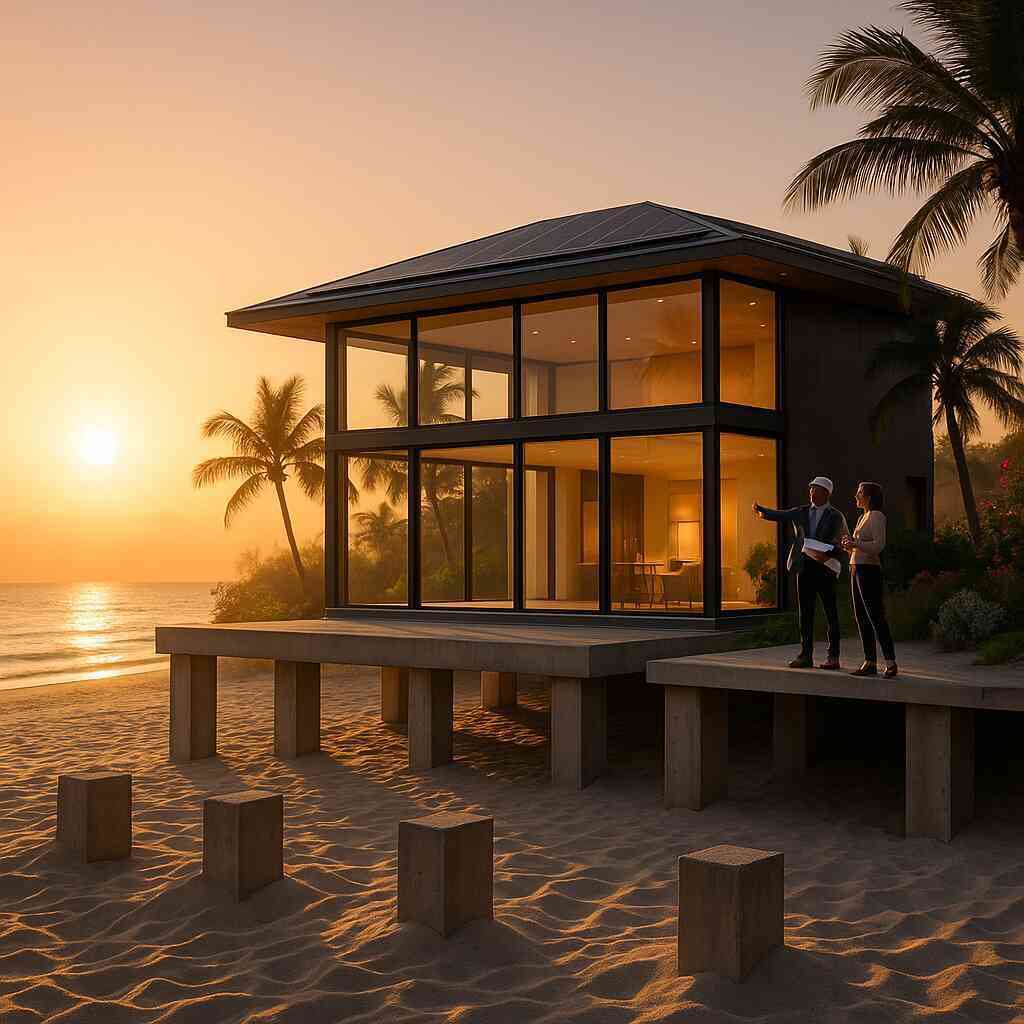
Building a Custom Home in Delray Beach—What to Expect
Designing a one-of-a-kind residence on Florida’s Atlantic coast is exciting, yet Delray Beach presents site conditions and regulations that differ from almost anywhere else. This overview walks through the biggest challenges—zoning, soils, storms, budgets—and explains practical ways experienced builders keep projects on track.
1. Start With Thorough Site Intelligence
Before sketches or mood boards, gather facts:
- Regulatory overlays. Flood zones, coastal construction setback lines, and historic districts dictate where a structure may sit and how high finished floors must be. Pull those maps first so an architect does not design outside the allowable envelope.
- Geotechnical testing. Core borings reveal bearing capacity, groundwater depth, and any organic layers that could compress. The data determines whether shallow footings, helical piles, or a post-tensioned slab is the smartest foundation.
- Utility availability. Some streets still rely on septic or overhead power. Knowing this early avoids last-minute service upgrades that can add weeks and five-figure costs.
Spending a few thousand dollars on surveys and soil reports can save six figures in redesigns or remediation later.
2. Choose a Team With Local Coastal Experience
Plenty of contractors advertise in Palm Beach County. Fewer have delivered luxury homes that passed Delray inspections on the first attempt. During interviews, request:
- A portfolio of recent work east of I-95 or within other coastal high-hazard zones.
- References who built in the past 24 months, reflecting today’s supply-chain and code environment.
- A meeting with the proposed site superintendent—not just the salesperson. This person drives day-to-day quality.
Trusted builders often partner with an independent construction manager who double-checks specs, sequencing, and pay applications. The extra layer creates transparency that prevents costly surprises and keeps emotions in check when weather or materials cause unavoidable shifts.
3. Align Budget and Schedule From Day One
A realistic budget is more than an allowance list. Break costs into eight to ten major divisions—site work, shell, windows and doors, roofing, mechanical systems, drywall, millwork, finish flooring, and landscaping. That structure shows where value engineering can preserve aesthetics without sacrificing hurricane resistance.
Set calendar milestones the same day you finalize the budget. A typical 6,000-square-foot concrete home in Delray now runs 14–18 months, assuming:
- Permitting: 8–12 weeks
- Site prep and foundation: 6–8 weeks
- Structural shell: 10–12 weeks
- Rough mechanicals: 6–7 weeks
- Dry-in, drywall, and finishes: 18–22 weeks
- Final inspections and punch-out: 4–6 weeks
Savvy builders pad at least two weeks per phase for summer thunderstorms, material delays, and holiday work restrictions. Providing that buffer up front discourages rushed workmanship later.
4. Engineer Foundations for Mixed Soil Profiles
Delray lots can change from firm coquina a few feet inland to loose sand near canals. One slab design rarely fits both. Common solutions include:
- Helical piles that screw into dense bearing strata without vibration. Crews can install them even on tight infill lots.
- Augercast piles where heavier loads or higher water tables exist.
- Post-tensioned slabs that apply compressive force across the concrete, limiting settlement and hairline cracking under marble floors.
Moisture control is equally critical. A capillary break of compacted stone, followed by a vapor barrier and sprayed waterproofing on stem walls, keeps humid air from migrating into conditioned spaces and ruining hardwood.
5. Design for Wind, Water, and Salt
Hurricane-rated assemblies are now standard, but details matter:
- Opening protection. Large panel-span sliders should reach ±70 psf design pressures. If the home backs to open water, pressures climb. Laminated glazing paired with stainless steel hardware resists salt corrosion.
- Roof geometry. Lower-pitch hip roofs shed wind better than gables. Where modern styling calls for flat sections, tapered insulation adds positive drainage, and peel-and-stick underlayment provides secondary protection.
- Exterior finishes. Fiber-cement siding, solid-aluminum railings, and stucco over masonry perform better than wood claddings when daily sea breezes deliver salt spray.
Thoughtful material choices reduce maintenance cycles and long-term ownership costs.
6. Manage Logistics in a Tight Coastal Neighborhood
Many Delray parcels are deep but narrow, bordered by mature palms, existing homes, or canals. Coordination keeps the site safe and the neighbors friendly:
- Stagger deliveries. Schedule concrete pumps and framing packs early in the morning when street parking is available.
- On-site recycling. Portable crushers turn block offcuts into driveway base, cutting disposal runs.
- Noise and dust controls. Temporary fencing wrapped in mesh, plus afternoon equipment shutdowns, meet city ordinances and preserve community goodwill.
7. Keep Communication Flowing
Even the best-planned project will face weather delays or back-ordered fixtures. Weekly video walk-throughs, photo logs, and cloud-based schedules let traveling owners approve field changes in hours instead of days. Rapid decisions keep crews moving and prevent cascading delays.
What to Expect From Your Builder’s Updates
- Current completion percentage versus baseline schedule
- Upcoming inspections and any permit revisions
- Budget variance report with approved and pending change orders
- Action items requiring owner input the next 7–10 days
Consistent, concise reporting builds trust and reduces stress for everyone involved.
8. Final Quality Checks Before Move-In
Plan at least two punch-out rounds: one at substantial completion and one after furniture delivery. Blue-tape everything—from cabinet alignment to stucco hairlines—while trades are still mobilized. A licensed third-party inspector can perform thermal imaging to confirm insulation coverage and scan plumbing for hidden leaks. Clearing defects before the warranty clock starts saves future headaches.
Key Takeaways
- Research zoning, flood maps, and soil conditions before design begins.
- Hire a coastal-experienced builder and an independent construction manager.
- Establish a detailed, milestone-based budget and schedule up front.
- Customize the foundation and building envelope to Delray’s mixed soils and wind loads.
- Use proactive communication and logistics planning to curb delays and neighborhood friction.
Delray Beach rewards diligent preparation. When regulations, geology, and weather are addressed early, the path to a resilient, beautiful coastal home becomes far smoother—and the moment you receive the keys is that much sweeter.
Navigating Challenges in Delray Beach Custom Home Building


Comments
Post a Comment