Design-Build vs GC: Better Results for South Florida Homes
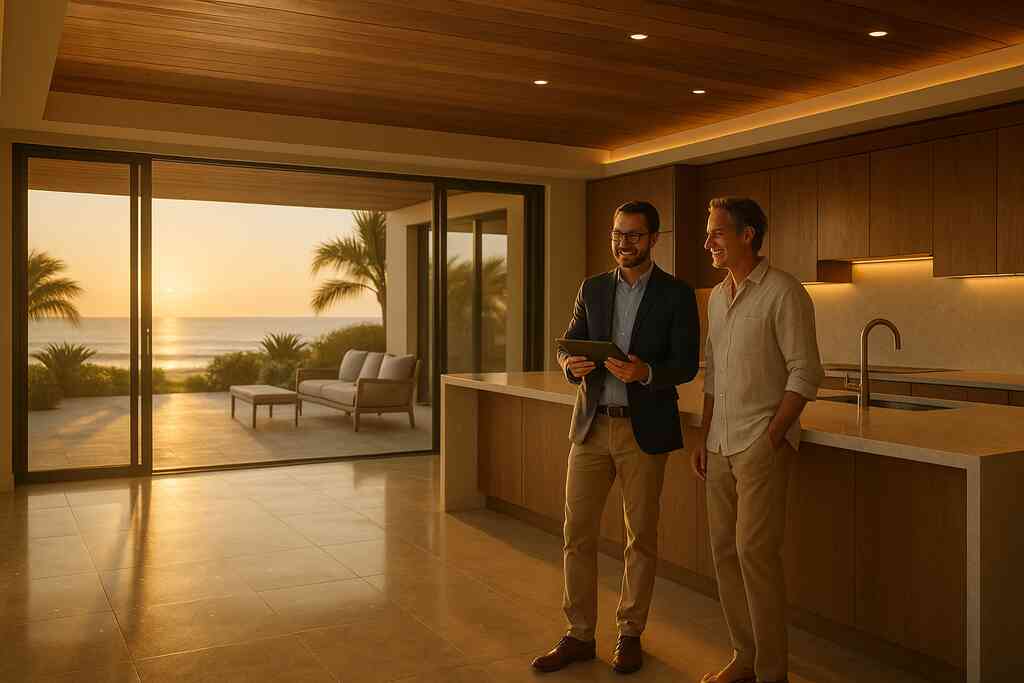
South Florida homeowners who invest in high-end renovations expect more than a beautiful finished space. They want a smooth journey from the first sketch to the last punch-list item. In 2026 the most dependable way to achieve that outcome is the integrated design-build model rather than the traditional general-contractor (GC) path.
What Makes Design-Build Different?
Design-build places architecture, interior design, engineering, and construction management inside one coordinated team. Instead of the owner hiring an architect, bidding plans to several GCs, and then juggling multiple contracts, a single firm accepts full responsibility for budget, schedule, and craftsmanship.
Key contrasts
- Single contract vs multiple contracts
- Unified team vs separate vendors
- Collaborative pricing vs post-design bidding
- Shared project data vs fragmented communication
Five Advantages That Matter on the Coast
1. Faster Timelines
Integrated teams start permitting, material sourcing, and structural detailing while design is still evolving. Overlapping phases can trim weeks—sometimes months—off a luxury remodel. In hurricane-prone counties where permit backlogs fluctuate, that head start is invaluable.
2. Cost Clarity From Day One
Because estimators sit with designers, each new idea is priced in real time. Homeowners see how a marble slab upgrade or custom millwork package affects the bottom line before anyone breaks ground. That transparency reduces the costly change orders common in the GC bid-build world.
3. Better Risk Management
South Florida’s high-rise codes, flood-zone regulations, and wind-load requirements leave little room for error. With design-build, the engineer who signs the drawings is in constant contact with the superintendent who installs the hardware. When surprises emerge—an unmarked utility line, a supply chain hiccup—the same team that drew the plans quickly issues workable solutions without the blame game that can erupt between outside consultants.
4. Preservation of Design Intent
Luxury renovations often center on custom finishes, tight reveal lines, and exact stone book-matching. A disconnected GC may try to cut corners to protect profit once a fixed bid is signed. In an integrated firm, everyone is measured by the same success metrics, so protecting the designer’s vision aligns with protecting the builder’s reputation. Advanced 3-D modeling (BIM) further safeguards details by exposing clashes before materials are ordered.
5. Concierge-Level Communication
High-net-worth clients travel frequently and cannot visit the jobsite every week. Design-build firms typically host cloud-based dashboards that track live schedules, photo logs, and budget updates. Owners can approve selections from anywhere on their phone, then land in Palm Beach to find work progressing exactly as promised.
How the Process Unfolds
1. Discovery & Feasibility
The team captures lifestyle goals, architectural restrictions, and investment targets. Because builders are in the room, feasibility feedback is immediate.
2. Concept & Schematic Design
Mood boards, floor-plan options, and preliminary elevations are paired with line-item budgets. If a concept overshoots the target, the group adjusts early—no redesign fees, no delay.
3. Detailed Design & Virtual Modeling
A full BIM model integrates structure, mechanical runs, and finish palettes. Clients receive photorealistic renderings and even VR walk-throughs. Energy calculations, wind-resistance data, and smart-home wiring paths are captured in the same file.
4. Permitting & Procurement
Permit documents route through municipal portals while procurement specialists lock in long-lead materials. By handling both simultaneously, the schedule stays compression-friendly.
5. Construction With Real-Time Updates
Because the superintendent was involved since concept, field crews work from a playbook everyone understands. Daily logs sync to the owner dashboard. If a change is requested, the impact appears instantly in both the calendar and the cost forecast.
6. Handoff & Ongoing Care
At completion the client receives a digital owner’s manual that ties equipment serial numbers, finish specifications, and maintenance schedules back to the BIM model. Many design-build firms offer ongoing estate management, keeping the renovation under the same attentive eye for years.
Why Traditional GC Paths Struggle to Compete
- Sequential Phases – Work cannot begin until every drawing is finalized and bid, pushing the start date months out.
- Adversarial Contracts – Fixed-price bids invite finger-pointing when unforeseen conditions arise.
- Communication Gaps – Separate architect, GC, and designer teams rely on email chains that can overlook crucial details.
- Higher Change-Order Risk – Each discipline bills separately for revisions, ballooning the final cost.
When Design-Build Makes the Most Sense
- Whole-home renovations or major additions where structure, MEP, and interior design intersect.
- Projects in coastal zones requiring meticulous code coordination.
- Tight timelines, such as completing work before the peak season returns.
- Clients who value personal bandwidth and prefer a single accountable partner.
Practical Tips for Selecting a Design-Build Firm
- Verify in-house capabilities. Confirm the firm employs licensed architects and construction managers, not just project coordinators.
- Request detailed process maps. Look for cloud-based dashboards, BIM samples, and clear change-management protocols.
- Review comparable portfolios. Coastal estates, historic residences, and high-rise units each present unique challenges. Relevant experience reduces learning curves.
- Ask about fee structure early. Reputable firms outline pre-construction services, markup policies, and contingency strategies upfront.
- Gauge cultural fit. You will communicate often; choose a team whose style complements your own.
The Takeaway
For discerning homeowners in South Florida, design-build delivers the streamlined, worry-free renovation journey that traditional GC pathways seldom match. By uniting design vision, technical rigor, and construction execution under one roof, the model shortens schedules, clarifies costs, and raises the bar on craftsmanship—exactly what a coastal luxury property deserves.
Why Design Build Beats GC Paths for RENOVA Signature Clients


Comments
Post a Comment