Hurricane-Ready Custom Homes: RENOVA’s Proven Construction Playbook
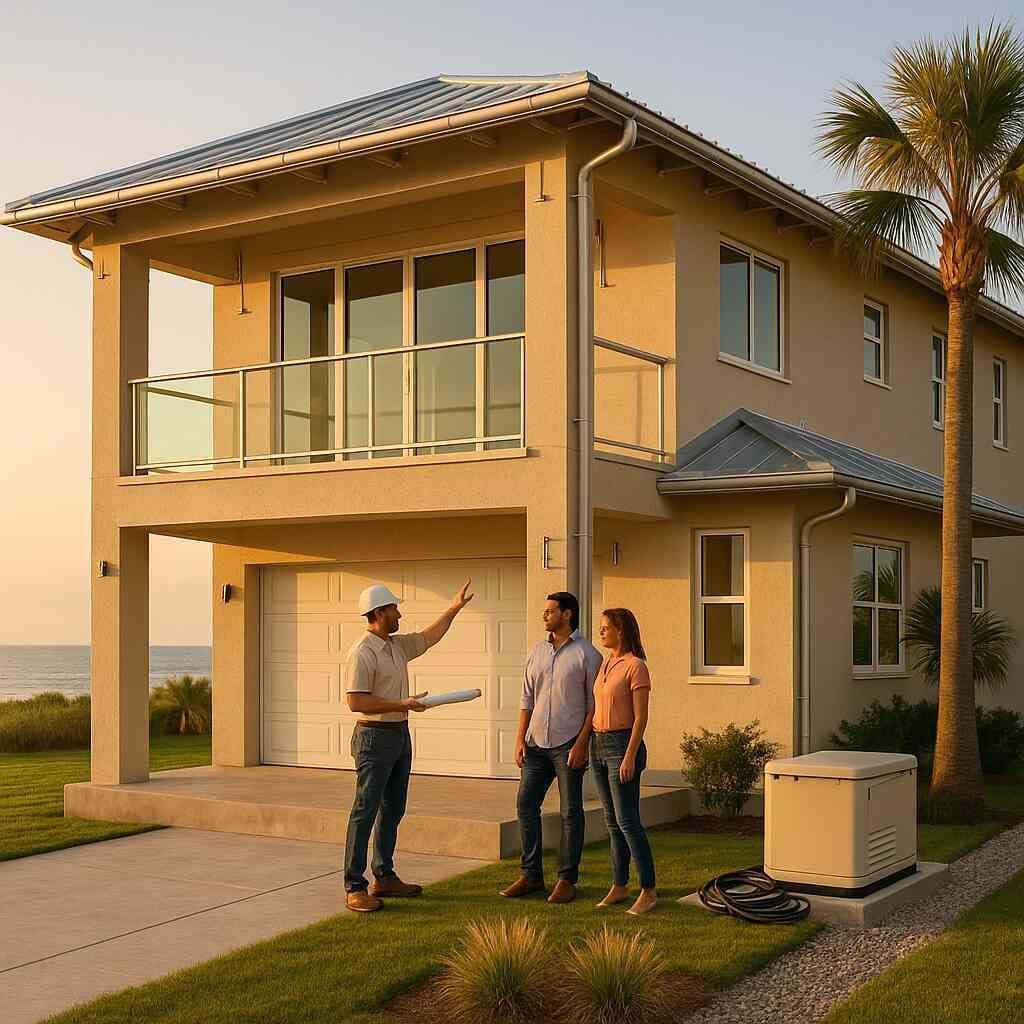
Building for the Next Big Storm
South Florida’s shoreline beauty comes with a constant test: wind, water, and flying debris. This guide breaks down the core practices RENOVA follows to create hurricane-resistant custom homes that meet Miami-Dade and Palm Beach County codes without sacrificing design.
1. Leadership Starts With a Licensed General Contractor
A single, state-licensed general contractor oversees every phase. Early code analysis, permit tracking, and trade coordination happen under one roof, so structural details such as reinforced concrete block walls, roof-to-wall tie-downs, and uplift anchors are planned, not patched in later. When existing homes need upgrades, the same GC conducts a forensic inspection, documents vulnerabilities for insurance, and supervises retrofits that bring the structure to current wind-load requirements.
Why it matters
- Fewer schedule setbacks because revisions are caught on paper, not on site.
- Clear documentation simplifies future insurance claims.
- Trade partners work from one playbook, preventing weak connection points.
2. Choosing—and Elevating—the Site
Before design, RENOVA maps wind corridors, flood zones, and soil conditions.
- Lot assessment – Geotechnical engineers confirm bearing capacity for stem walls or helical piles.
- Finished floor height – The slab is raised above base-flood elevation plus local freeboard. A vapor barrier and post-tension cables cut cracking caused by pressure shifts.
- Drainage plan – Swales and French drains move water away fast, protecting the foundation even when municipal pumps are overwhelmed.
3. Structural Shell: Strong Bones, Continuous Load Path
Walls and connections
- Concrete block cells are fully grouted around openings.
- Stainless or hot-dipped galvanized straps tie upper walls to the slab.
- Where design calls for light framing, ZIP-system sheathing and spray foam create a rigid diaphragm able to withstand 170-mph gusts.
Roof assembly
- A hip roof resists uplift better than a gable; when style forces a gable, interior shear walls back it up.
- Self-adhered underlayment seals nail penetrations.
- Trusses receive hurricane clips rated for +/- 2000 lb uplift.
4. Openings: The First Line of Defense
Impact-rated windows, doors, and garage doors earn NOA (Notice of Acceptance) certification. RENOVA’s schedule groups them so framers and window crews overlap, ensuring precise rough openings and immediate dry-in.
- Laminated glass lowers sound and filters UV while stopping debris.
- Reinforced sills are bedded in waterproof pan membranes to block driven rain.
- Steel garage doors include 14-gauge struts so vehicles can still exit after a storm.
5. Blending Design With Engineering
Interior designers work side-by-side with structural engineers from day one. Heavy built-ins, stone counters, and ceiling treatments receive hidden blocking or threaded rod hangers anchored into structural members, not drywall.
- Cabinets stay plumb after prolonged vibration.
- Energy-efficient LED fixtures connect at pre-planned generator circuits.
- Low-VOC paints and closed-cell foam improve air quality once the house is sealed against storms.
6. Mechanical and Electrical Resilience
Power
A whole-home generator with an automatic transfer switch keeps HVAC, medical equipment, and refrigerators running. Switchgear is mounted above flood level, and fuel lines use flexible connectors to absorb movement.
HVAC
- Condensers sit on elevated concrete platforms strapped to pilings.
- Supply and return shafts are lined with mastic-sealed sheet metal instead of flex duct, reducing collapse risk under negative pressure.
Plumbing
- Backflow valves stop sewer surcharge.
- PEX supply lines expand subtly under pressure spikes, lowering burst risk compared with copper.
7. Finishing Touches That Add Strength
- Standing-seam metal roofing with concealed fasteners sheds rain at a 140-mph rated attachment. For barrel-tile aesthetics, foam-adhesive set tiles reduce uplift versus traditional nails.
- Seamless aluminum gutters use hidden hangers every 16 inches and oversized downspouts to move high volumes of water away from the fascia.
- Fiber-cement siding mimics wood but shrugs off wind-driven water and flying mulch.
8. Digital Project Management
All selections, approvals, and inspections live in a cloud platform. Homeowners, architects, and trade partners log in to view live schedules, engineering details, and photo documentation. This transparency reduces miscommunication and provides a permanent record for future warranty or resale questions.
9. Post-Construction Support
A hurricane-response packet accompanies the final walk-through. It includes:
- Product warranties and NOA certificates.
- Generator start-up and maintenance checklist.
- Window and shutter operation guide.
- A QR code linking to digital as-built plans.
Annual inspections verify sealant joints, re-torque metal roofing screws where required, and update the insurance documentation folder.
Key Takeaways
- Begin with a licensed general contractor who owns code compliance from day one.
- Elevate the slab beyond minimum flood requirements and create a continuous load path.
- Pair impact openings and wind-rated roof systems in the same schedule window to avoid vulnerabilities.
- Let interior design decisions pass structural review so luxury does not compromise durability.
- Document everything digitally for faster post-storm claims and easier long-term maintenance.
When each discipline collaborates early, a South Florida home can be both a design statement and a refuge during the fiercest hurricanes predicted for 2026 and beyond.
Best RENOVA Practices for Hurricane Resistant Custom Homes


Comments
Post a Comment