Net Zero Construction in Boynton Beach: Renovation Guide 2026
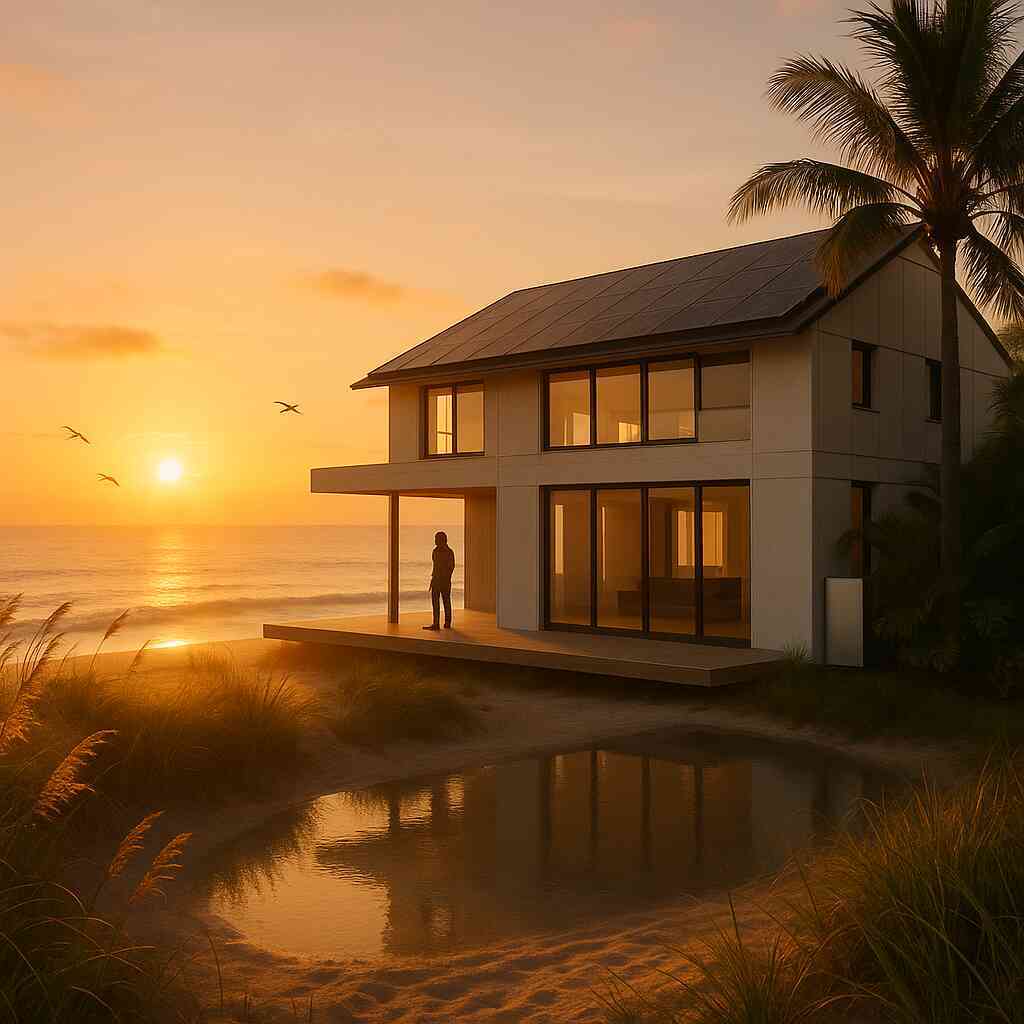
Net zero construction in Boynton Beach means a home or renovation that produces as much clean energy as it uses over the course of a year. In the warm, humid climate of coastal South Florida, that goal touches every design choice—from roof shape to appliance selection. This guide outlines what the concept looks like in practice, why it is gaining momentum in 2026, and how local homeowners can approach a carbon-conscious upgrade without sacrificing comfort or style.
Why Net Zero Matters on the Coast
Boynton Beach enjoys abundant sunshine, steady breezes, and predictable heating and cooling patterns. Those same qualities create unique pressures on the electric grid during hot afternoons and hurricane season. A net zero home helps by:
- Generating renewable power on site, reducing reliance on distant power plants.
- Lowering peak demand, which eases strain on local infrastructure.
- Providing backup energy through battery storage when storms disrupt service.
- Meeting or exceeding Florida’s latest energy codes, which grow stricter each year.
From an ownership perspective, monthly utility costs drop, insurance carriers often offer credits for impact-rated building assemblies, and appraisers now recognize verified green features when valuing property.
Key Principles That Drive Results
1. Passive Design First
Before adding solar panels, a project team tightens the envelope:
- Orient living areas to capture prevailing breezes and natural light.
- Specify deep roof overhangs to shade windows from high summer sun.
- Add continuous exterior insulation to block thermal bridging.
- Seal every penetration with gaskets and tapes tested under blower-door inspection.
These moves cut the mechanical load, meaning fewer solar panels and smaller HVAC equipment later.
2. Active Systems That Fit the Climate
Once the shell is efficient, mechanical choices finish the job:
- Variable-speed heat pumps handle heating, cooling, and dehumidification in one package.
- Energy-recovery ventilators bring in fresh air while reclaiming conditioned energy.
- Heat-pump water heaters locate waste heat where it is useful—in a humid Florida garage.
- Induction cooktops eliminate open flames and improve indoor air quality.
3. On-Site Renewables and Storage
Photovoltaic (PV) arrays are sized to meet the annual load predicted by energy modeling. A south or southwest-facing roof section with a 10–15-degree pitch often performs best in Boynton Beach. Home batteries complete the system by:
- Smoothing solar production peaks so the home draws less power during evening hours.
- Providing critical circuits for refrigeration, lighting, and device charging if the grid goes down.
4. Low-Embodied-Carbon Materials
Operational energy gets the headlines, but construction materials carry their own carbon cost. Renovation teams increasingly specify:
- Recycled denim or cellulose insulation in interior walls.
- FSC-certified local cypress for exterior cladding and trim.
- Reclaimed terrazzo flooring, which pairs coastal flair with durability.
The result is a space that looks handcrafted rather than futuristic, addressing the common fear that “green” means sterile.
Typical Upgrade Packages
Most homeowners prefer a phased approach organized around performance tiers. The labels below are illustrative, not mandatory, yet they help anchor expectations and budgets.
Bronze Efficiency
- Blower-door guided air-sealing
- Attic insulation upgrade to R-38 with radiant barrier
- LED lighting retrofit
- 2-kilowatt starter PV array that powers lights and electronics
Expected impact: 30–40 percent reduction in annual electricity use.
Silver Net Zero Ready
- Continuous exterior insulation at walls and roof deck
- High-performance windows with laminated impact glass
- Variable-speed heat pump + energy-recovery ventilation
- Pre-wired conduit and roof standoffs for future PV expansion
Expected impact: 55–65 percent reduction, house can achieve net zero once the full solar array is installed.
Emerald Net Positive
- Full envelope upgrades plus passive shading structures
- 8- to 10-kilowatt PV array sized to exceed modeled demand
- 10–15 kWh battery storage for backup power
- Smart load management panel that shifts heavy appliances to sunny hours
Expected impact: Home exports more clean electricity to the grid than it consumes, potentially earning utility credits.
The Renovation Process Step by Step
- Lifestyle and Energy Audit – A consultant reviews historic utility data, inspects the building, and models how occupants actually live: cooking habits, work-from-home hours, electric vehicle charging, and more.
- Concept Design – Architects adjust orientation, shading, massing, and material palette to marry efficiency with Boynton Beach’s relaxed coastal style.
- Cost and Carbon Analysis – Software compares different assemblies and equipment combinations in terms of upfront cost, operating savings, and embodied carbon.
- Permitting and Incentives – Teams prepare the documentation that building officials, lenders, and insurers require. Florida’s Property Assessed Clean Energy (PACE) financing often plays a role.
- Construction and Commissioning – Trades follow detailed air-sealing checklists. Upon completion, independent technicians test systems, produce a commissioning report, and set baselines for solar production.
- Monitoring and Adjustment – Cloud dashboards track energy flows in real time. If performance drifts, technicians fine-tune settings remotely.
Indoor Comfort and Health Benefits
A correctly executed net zero renovation feels different the moment you walk in:
- Even temperatures across rooms and seasons—no cold spots near windows.
- Whisper-quiet equipment thanks to variable-speed compressors and well-insulated ducts.
- Balanced humidity that discourages mold, critical in South Florida.
- Low- or zero-VOC finishes that prevent the “new-paint” smell and support better respiratory health.
Common Questions
Is net zero practical for an existing block home? Yes. Solid concrete walls offer mass that helps stabilize interior temperatures. Exterior insulation, high-performance windows, and a new cool roof often bring such houses within reach of net zero targets.
Will the roof hold solar panels in hurricane winds? Panels mount on engineered racking systems rated for hurricane exposure D. When installed correctly, the array can strengthen the roof by tying rafters together.
What is the payback period? Payback depends on energy usage, local rates, and available incentives, but many projects recoup the extra investment in 8–12 years while delivering comfort and resilience from day one.
Looking Forward
Florida’s climate challenges are not easing. Tighter energy codes and stronger hurricanes make resilience planning essential. Net zero construction answers both needs: it slashes ongoing costs and builds a hardened shell capable of riding out storms with less disruption.
Approaching the goal systematically—first efficiency, then renewables—keeps budgets realistic and design decisions clear. Whether you tackle a single kitchen upgrade or a whole-house retrofit, the principles above serve as a roadmap for blending coastal style with 21st-century performance.
For many Boynton Beach homeowners, the path to a lighter utility bill, healthier indoor air, and a higher-valuation property begins with a simple energy audit. From there, each step—air sealing, insulation, efficient equipment, on-site power—builds toward a home that gives back as much as it takes.
What Does Net Zero Construction Mean to Boynton Beach Renovations


Comments
Post a Comment