RENOVA’s Coastal Interior Design Formula for Highland Beach
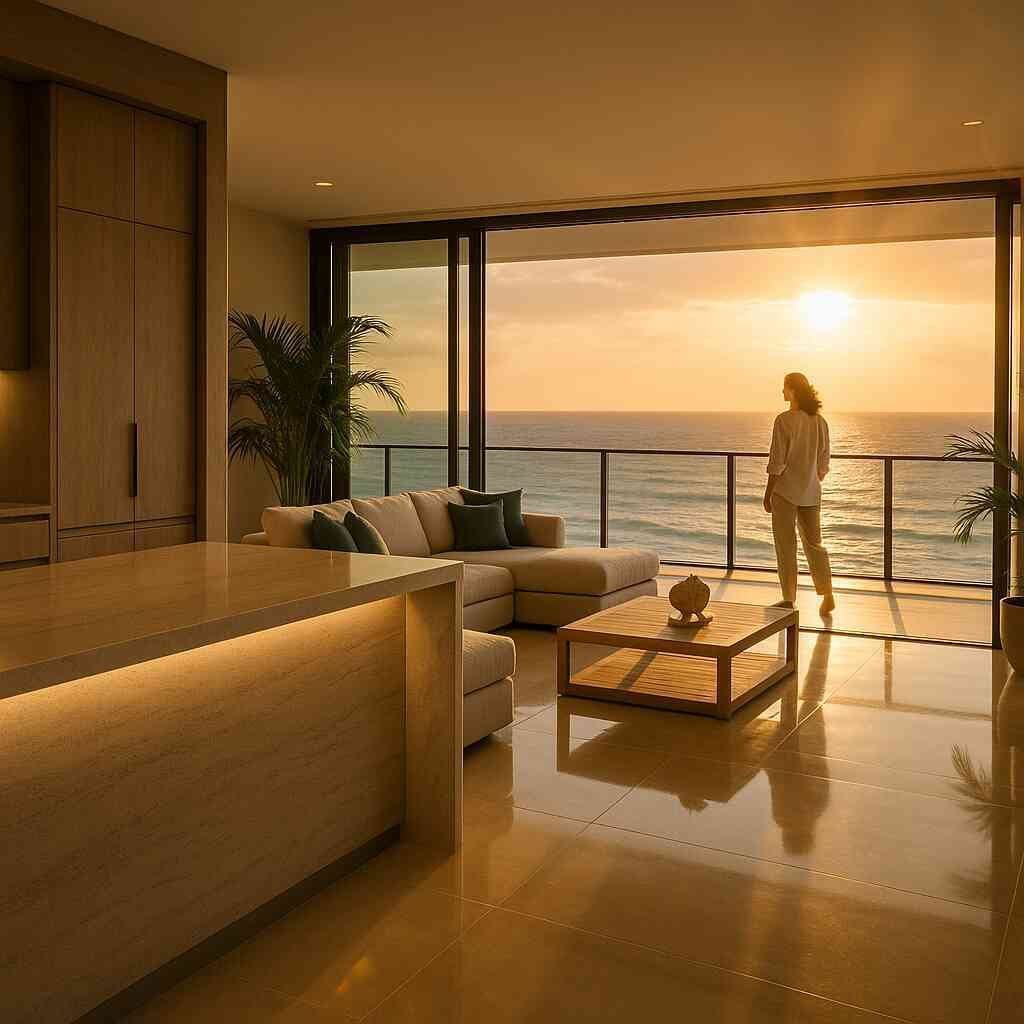
Designing for Life on the Dune Line
Highland Beach interiors are more than pretty rooms with an ocean view. They must fight salt spray, relentless sunshine, and strict municipal codes while still looking effortless. RENOVA has spent decades refining a workflow that answers those demands with equal parts science and style. This overview breaks down the core practices that guide every RENOVA project on the barrier islands.
1. Reading the Coast Before Drawing the Plan
Successful design here starts outdoors, not on a mood board. Project managers study tide charts, FEMA flood maps, and seasonal wind data to understand how a property truly behaves. That research informs:
- Recommended finished floor heights for storm resilience
- Optimal window and door locations to capture breezes without inviting corrosion
- Placement of mechanical systems well above projected surge levels
By addressing the site’s realities first, later design decisions become smarter and more cost-effective.
2. Material Choices That Outsmart Salt Air
Salt is interior design’s silent saboteur. RENOVA counters it with a detailed materials matrix:
Metals
- Marine-grade 316 stainless steel for hinges, pulls, and exterior light fixtures
- Powder-coated aluminum for balcony railings and outdoor furniture frames
Stone and Tile
- Large-format porcelain slabs that resist etching and staining
- Recycled-glass terrazzo for dramatic foyer floors that will not yellow
Woods
- FSC-certified ipe or thermally modified ash for deck surfaces
- Formaldehyde-free plywood cores to maintain healthy indoor air
Every item is vetted against accelerated weather-testing data so owners are not replacing hardware or refinishing tops every season.
3. Sustainable Luxury as a Baseline
Coastal living feels indulgent, but RENOVA layers sustainability into that indulgence. Low-VOC paints tackle humidity without off-gassing. Water-saving fixtures protect the regional aquifer while still providing spa-level pressure. Solar-ready roof conduits are roughed in even if panels are a future phase. The goal is to give clients a home that supports the local ecosystem while lowering operating costs.
4. Hurricane-Rated Views
Florida Building Code requires robust glazing, yet nobody moves to Highland Beach to stare at bulky mullions. RENOVA specifies narrow-sightline, impact-rated window systems paired with hidden anchorage details. Where code allows, corner-meeting sliders disappear behind pockets, letting living rooms flow straight to the terrace. Interior palettes stay deliberately quiet so the horizon remains the headline.
5. Integrated Construction + Interior Management
Because RENOVA holds both the general-contractor license and the interior design studio under one roof, scheduling headaches disappear. Early budgeting incorporates furniture lead times and millwork shop drawings, not just framing and drywall. Digital dashboards track:
- Permit submittal milestones
- Trade inspections
- Fabric and finish approvals
- Delivery windows for built-ins and art
Clients see a single timeline rather than juggling multiple spreadsheets, and designers can make creative decisions without wondering how they impact the construction sequence.
6. Visual Prototyping for Faster Decisions
Photorealistic 3-D models allow families to walk through the space before the first wall is framed. Day-to-night lighting studies show how morning glare or sunset glow will affect fabric choices. By resolving sight lines and scale virtually, change orders in the field drop dramatically, saving weeks on the overall schedule.
7. Craftsmanship That Anticipates Movement
Barrier-island buildings rest on shifting sand. RENOVA carpenters leave micro-expansion gaps behind baseboards and use high-performance adhesives with flexible polymers. Cabinet installers specify stainless screws even on interior runs to avoid future rust bleed. The extra effort keeps reveals tight and miter joints crisp years down the road.
8. Story-Driven Aesthetics
Technology and engineering matter, but a home still needs soul. Designers interview owners about travel memories, favorite textiles, and heirloom pieces. Those stories become:
- Custom millwork niches for collected ceramics
- Upholstery palettes inspired by a cherished beach blanket
- Gallery walls that map family adventures across the globe
The result feels curated, not catalog.
9. Maintenance Planning Baked Into Design
Every material spec sheet includes cleaning agents and service intervals. Mechanical rooms are laid out for clear filter access. Outdoor kitchens get self-draining counters and marine-grade covers. Owners receive a digital handbook with seasonal checklists, making long-term care straightforward.
10. Continuous Improvement Culture
After each project, RENOVA debriefs inspectors, trades, and homeowners. Lessons learned—whether a new gasket that outperforms or an acrylic sealer that fails—feed back into the next specification library update. This feedback loop keeps the firm ahead of code changes and material innovations.
Key Takeaways
- Highland Beach demands designs that fight salt, sun, and storm codes without sacrificing elegance.
- RENOVA’s process begins with site analysis and ends with a personalized maintenance guide.
- Sustainable materials and hurricane-rated glazing can coexist with refined, story-driven interiors.
- An integrated team structure reduces change orders and protects both timeline and budget.
Living on the water means embracing nature’s drama. With the right preparation and a detail-obsessed partner, that drama stays outside the glass while the interior remains calm, healthy, and unmistakably luxurious.
What Are RENOVA Practices for Highland Beach Interior Design


Comments
Post a Comment