Seasonal Planning for Delray Beach Construction Projects
Why Seasons Matter in Delray Beach Construction
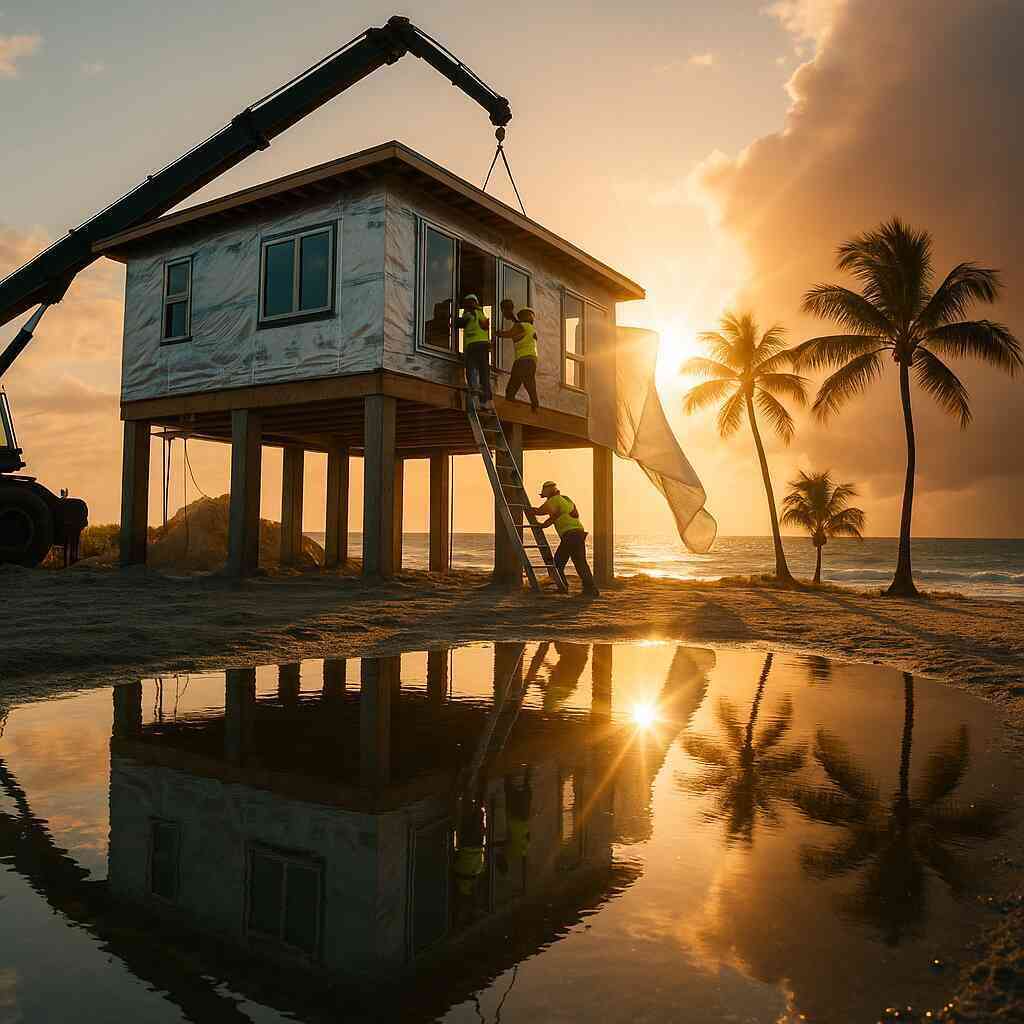
Building in coastal South Florida is never just about bricks and beams. Shifting humidity, salt-laden breezes, and tropical storms can shorten a building’s life or swell a schedule if they are not anticipated. This guide explains how a Delray Beach construction company studies local microclimates, times key phases, and selects resilient materials so projects stay on budget and on track year-round.
Mapping the Microclimate Before Breaking Ground
Palm Beach County stretches from the Atlantic shoreline to hotter inland tracts, and a few miles create real differences in wind, salt spray, and groundwater depth.
- Wind-rose overlays help predict uplift forces and guide roof geometry and connector counts.
- FEMA flood maps reveal surge risk, pointing to elevated slabs or deeper pilings for waterfront lots.
- Humidity gradients—higher inland, lower at the coast—shape ventilation details that stop mold before drywall goes up.
Analyzing these layers up front lets planners choose the right lot or adjust the foundation early, avoiding expensive mid-build revisions.
Timing Work Around the Wet Season
From late spring through autumn, Delray Beach sees daily thunderstorms that can soak an exposed job site in minutes. Pro contractors respond with a two-part strategy:
- Adaptive Scheduling
Rain sensors feed cloud data to the scheduling software. Exterior trades—roofing, stucco, masonry—shift to morning starts, while interior work moves to rain-safe hours. - Modular Staging
Portable canopy systems and prefabricated wall panels let crews continue setup under cover, trimming days lost to weather.
Consistency benefits subcontractors as much as owners; predictable access leads to tighter bids and fewer change orders.
Hurricane Resistance Begins in Design, Not Just in Prep Week
Waiting for a storm watch is too late. Best practice places hurricane engineering into the original drawings:
- Continuous load paths tie rafters, walls, and foundations into a single unit that resists uplift.
- Enhanced uplift connectors exceed the minimum code, an inexpensive upgrade compared with post-storm repairs.
- Advanced shear wall layouts manage lateral loads when old rooflines meet new additions, a common scenario in coastal renovations.
During pre-construction meetings, estimators price impact windows and secondary water barriers side-by-side with cosmetic options, letting owners weigh long-term savings against initial cost.
Dry-Season Concrete Curing: More Than Picking a Sunny Day
South Florida sun can speed evaporation and create early-age shrinkage cracks if crews are not careful. Concrete best practice includes:
- Early-morning pours when temperatures are lower.
- Moisture-retaining blankets or light misting at set intervals to lock in water for hydration.
- Supplementary cementitious materials such as fly ash or silica fume, reducing permeability against salt air.
Seven-day cylinder tests verify strength gain. If results fall short, supervisors extend curing or tighten moisture control, protecting schedule certainty down the line.
Material Selections Built for Salt and Sun
Beyond structural elements, finish choices prolong a home’s good looks and performance.
- Corrosion-inhibiting rebar coatings near the Intracoastal slow down rust that can spall concrete.
- Stainless or powder-coated fasteners stop deck screws from staining new pavers.
- Vapor-sealed cabinetry keeps kitchen doors from swelling in humid summers.
- UV-stable exterior paints last longer under year-round sunlight, lowering maintenance budgets.
Early coordination with suppliers means these items can be locked in before the pre-storm purchasing rush drives up prices or depletes stock.
Renovation vs. New Build: Different Seasonal Playbooks
A Delray Beach renovation contractor works inside an existing envelope, so the tactics shift:
- Selective drywall removal accesses gable ends for gusset reinforcement without gutting whole rooms.
- Phased roof replacement swaps old shingles for peel-and-stick underlayment and high-wind shingles one section at a time, keeping interiors dry.
- Moisture barrier retrofits address slower nighttime drying in inland neighborhoods, crucial when adding spa bathrooms or laundry rooms.
For new custom homes, the focus stays on structural continuity and staging large material deliveries—trusses, rebar, windows—so sudden supply-chain hiccups do not derail progress.
Communication and Transparency Keep Stress Low
Weekly owner-builder meetings compare cost forecasts across upcoming rainy and dry stretches. By flagging weather-sensitive work early, the team can:
- Re-sequence tasks rather than pay overtime to “catch up.”
- Lock in contingency allowances that match actual risk, not blanket percentages.
- Document each decision for permitting and insurance files, enhancing trust and reducing future disputes.
Practical Tips for Homeowners and Investors
- Ask for a microclimate report before you purchase a coastal lot or sign design contracts.
- Review the critical-path schedule and confirm how many rain days are built into the timeline.
- Request product cut sheets for impact windows, connectors, and coatings so you can compare warranty terms.
- Confirm material storage plans—wrapped lumber, dehumidifiers, fuel for generators—to protect your investment during summer storms.
Key Takeaways
Building in Delray Beach is as much about reading the sky as reading blueprints. The teams that monitor wind patterns, track afternoon squalls, and build hurricane resistance into every nail deliver structures that age gracefully under tropical extremes. Whether you are planning a ground-up custom residence or modernizing a classic coastal bungalow, seasonal insight is the difference between reactive repairs and confidence that lasts through countless wet-and-dry cycles.
Staying ahead of the weather starts with informed planning. The sooner seasonal forces factor into site selection, design, and procurement, the smoother the build—and the longer the structure’s service life—will be in the vibrant climate of Delray Beach.
Comparing Delray Beach Construction Projects for Seasonal Changes


Comments
Post a Comment