Smart Boynton Beach Remodeling: Handling Coastal Challenges
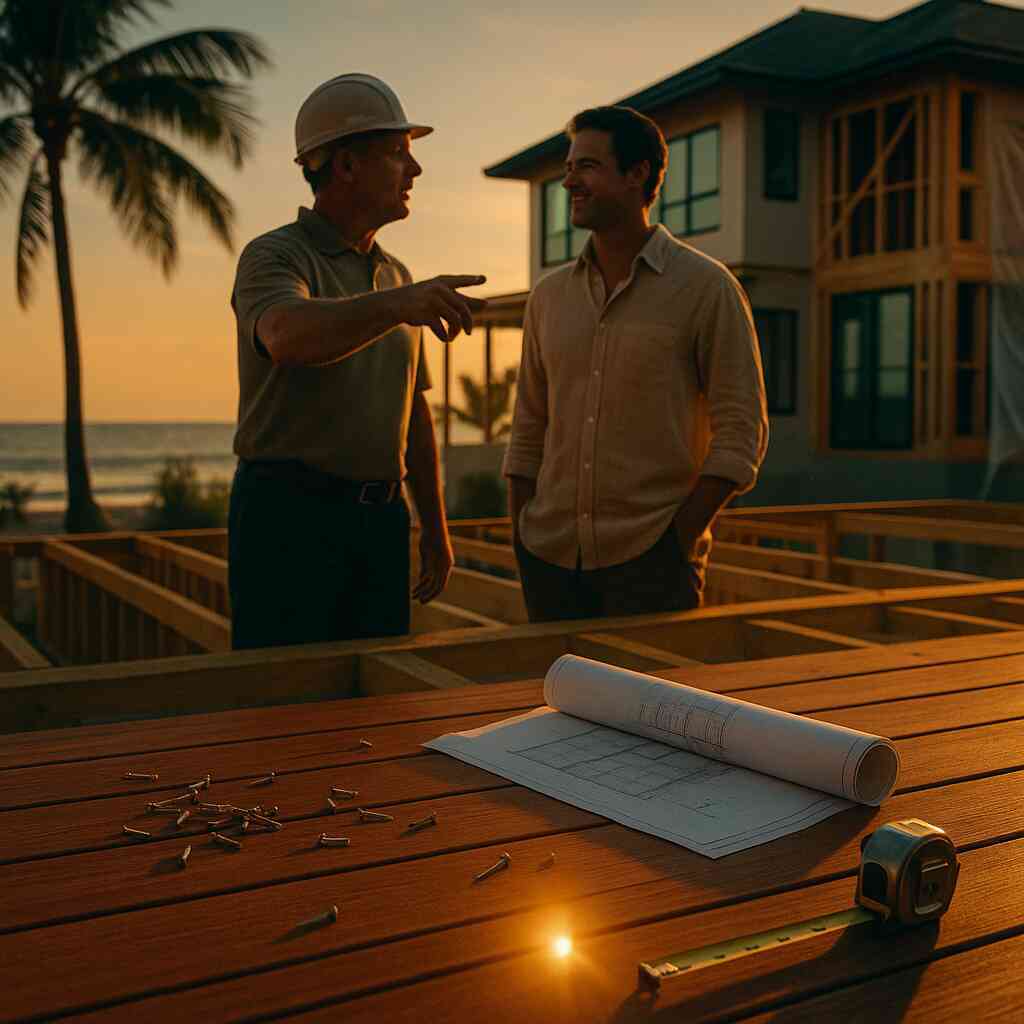
A Practical Roadmap for Boynton Beach Remodels
Boynton Beach homes face salt-laden air, intense sun, and strict hurricane codes. This guide explains how local expertise, careful planning, and disciplined management turn those hurdles into a successful upgrade.
1. Start With Local Know-How
Why “South Florida experience” matters
• Building science tuned to humidity. Contractors who work daily in Palm Beach County understand how vapor drives through walls, why certain paints chalk early, and which flashing details survive summer downpours.
• Code familiarity saves time. Seasoned Boynton Beach remodelers can anticipate wind-load calculations, impact-window requirements, and flood-zone elevation rules. Fewer surprises mean fewer schedule resets.
• Inspector relationships. Crews familiar to the permitting office often move through plan review, site inspections, and final sign-off faster simply because paperwork lands on the right desk the first time.
2. Nail Down Vision, Budget, and Timeline Before Demo
Clarify priorities in writing
- List must-haves, nice-to-haves, and stretch goals. Separating an essential shower expansion from a future outdoor kitchen keeps the budget honest.
- Assign real numbers early. Itemized allowances for tile, fixtures, and appliances let you shift money between categories without wrecking the total.
- Establish an escalation plan. Document how change orders will be priced and approved so everyone knows the rules if hidden damage appears.
Lock a workable schedule
• Reverse engineer from key dates. If you need the kitchen by Thanksgiving 2026, work backward to determine when cabinets must be ordered, when inspections must occur, and when utilities can be shut off.
• Plan for living arrangements. A clear calendar helps decide whether a temporary rental or a phased stay-in-place approach makes more sense.
3. Rely on Professional Construction Management
A dedicated project manager is the traffic cop who keeps trades from colliding.
Core responsibilities
• Sequencing trades. Electricians arrive after framing is inspected, not before. That small detail protects both schedule and budget.
• Daily site logs. Photos, delivery receipts, and inspection results recorded in real time build a transparent record the homeowner can review anytime.
• License and insurance checks. Verifying every subcontractor’s paperwork shields the property owner from liability.
Compliance checkpoints
- Structural tie-downs and sheathing nailing patterns must match the engineered drawings before insulation.
- Window and door bucks need correct sealants to satisfy the Florida Building Code’s water-infiltration requirements.
- Final blower-door test may be required if energy credits are taken. Booking that test early avoids a mad scramble at the end.
4. Make Design-Build Collaboration a Habit, Not an Event
Successful projects blend creativity and constructability from day one.
Kickoff charrette
• Interior designers present space plans and inspiration boards.
• The general contractor prices alternatives on the spot and flags structural limits.
• Homeowners leave the table with an aligned drawing set, preliminary budget, and draft schedule.
Communication tools that work
• Weekly 20-minute huddles: standing meetings keep decisions small and continuous.
• Shared cloud folders: updated drawings live in one place, reducing “wrong-revision” mistakes.
• Digital punch lists: everyone sees which items are open, in progress, or signed off.
5. Choose Materials for Coastal Resilience and Style
Exterior elements
• Porcelain or concrete pavers resist salt and staining better than natural limestone.
• Fiberglass entry doors imitate wood without swelling in humidity.
• High-reflectance roof shingles lower attic temperatures, easing HVAC loads during peak August heat.
Interior finishes
• Marine-grade plywood cabinets endure steamy summers better than particleboard.
• Corrosion-resistant fasteners in bathrooms prevent rust spots around hardware.
• Low-VOC paints dry faster in humid air and contribute to healthier indoor environments.
6. Anticipate Common Coastal Pitfalls
- HVAC undersizing. Additional glass doors that showcase the pool also raise the cooling load. Recalculate tonnage, do not guess.
- Improper vapor barriers. A polyethylene sheet in the wrong wall assembly can trap moisture and foster mold.
- Delayed impact-window orders. Lead times can stretch beyond 16 weeks during the storm-season rush. Place deposits as soon as sizes are verified.
7. Practical Tips for a Stress-Reduced Remodel
• Set a 10 percent contingency. Coastal projects uncover termite trails or corroded straps more often than inland homes.
• Visit the site weekly—no more, no less. Frequent enough to catch issues, spaced enough to let crews work.
• Keep final selections grouped by room. Label boxes “Owner: Master Bath Fixtures” to cut search time during installation.
8. Wrapping Up and Moving In
A proper close-out package should include:
• All permits showing “finaled.”
• Photographs of in-wall utilities for future reference.
• Warranty cards and maintenance instructions for every appliance, window, and roof element.
With these documents on hand, homeowners can maintain the space confidently long after the crews leave.
A Boynton Beach remodel demands more than design flair; it requires a deep understanding of coastal demands, rigorous planning, and constant coordination. By pairing local expertise with disciplined project management, homeowners gain a resilient, beautiful space that stands up to South Florida’s climate—without the headaches often associated with large-scale renovations.
How to Navigate Remodeling Challenges with Boynton Experts


Comments
Post a Comment