Smart Developments Explained for Delray Beach Construction
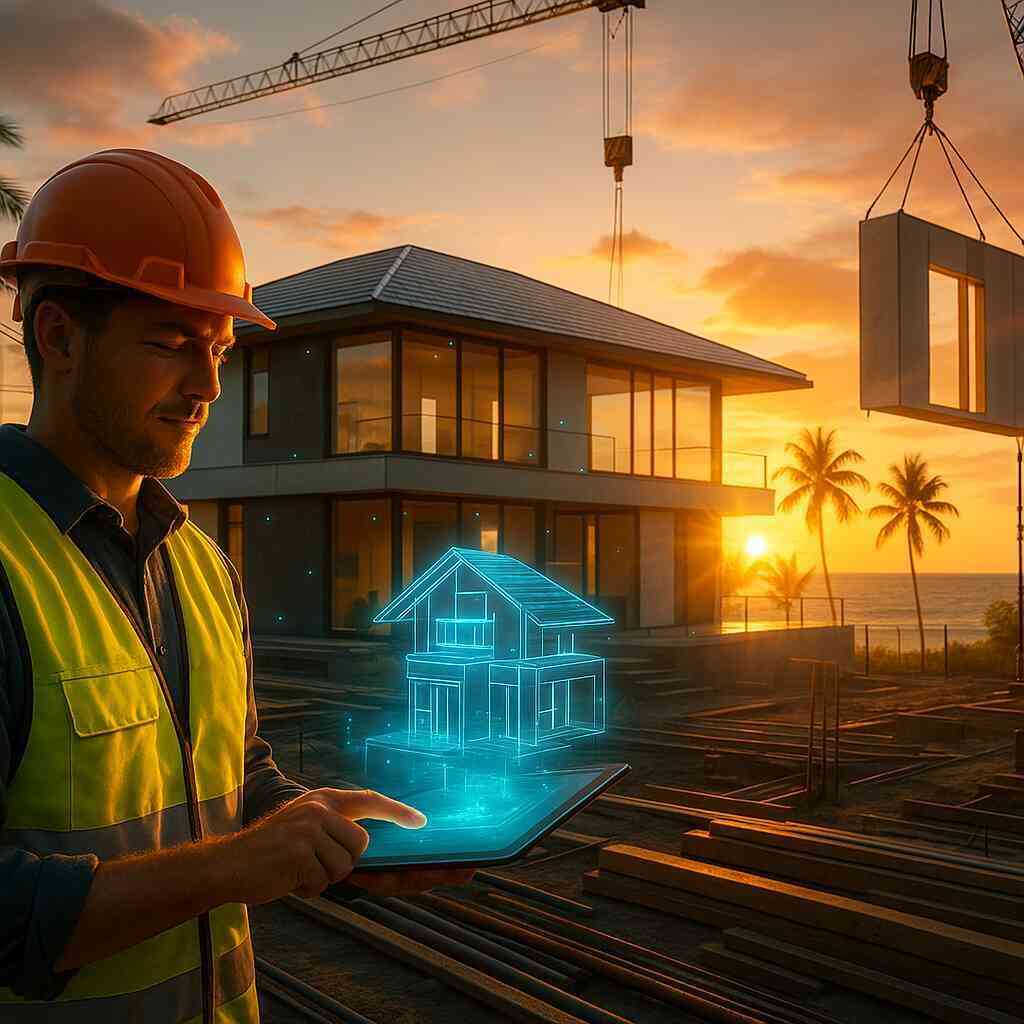
Introduction: Why Smart Buildings Matter in Delray Beach
Coastal living now comes with an expectation that every residence or storefront will think, adapt, and conserve. In 2026 buyers in South Florida routinely ask about app-based lighting, leak alerts, and grid-friendly HVAC before they ask about countertops. Smart development is no longer a luxury flourish; it is part of the value equation for insurance carriers, lenders, and prospective tenants.
A Delray Beach construction company that masters connected design delivers three immediate benefits:
- Lower operating costs through precise energy management.
- Future-proof infrastructure that accommodates new devices without demolition.
- Higher valuations because digital readiness commands a market premium.
This overview unpacks the construction practices that turn those benefits into reality.
Market Forces Pushing Digital-Ready Homes
Several local trends converge to make smart features financially sensible:
- Utility rebates support heat-pump water heaters, advanced thermostats, and submetering equipment.
- Green-mortgage products give borrowers rate incentives once efficiency gains are verified.
- Commercial tenants on Atlantic Avenue track carbon footprints for corporate reporting, driving demand for real-time energy dashboards.
- Peak-season cooling costs climb every summer, nudging homeowners toward insulation upgrades and adaptive shading.
Because these forces show no sign of weakening, forward-looking renovation scopes now bundle envelope improvements with wiring for sensors, rather than treating technology as an afterthought.
From Blueprint to Turnkey: The GC’s Coordinating Role
Turning a smart-home wish list into code-compliant walls requires more than a catalog of gadgets. A certified Delray Beach general contractor orchestrates architects, systems integrators, electricians, and inspectors under one synchronized schedule. Key steps include:
- Preconstruction coordination – Device locations are checked against framing, plumbing, and hurricane-rated openings so that structural elements do not block signal paths or access panels.
- Shop drawing validation – Low-voltage plans are reviewed alongside mechanical layouts to avoid clashes between data conduits and supply ducts.
- Warranty protection – Field supervisors verify that terminations and router placements follow manufacturer guidelines, extending equipment warranties and reducing call-backs.
- Homeowner orientation – After hand-off, residents receive concise training on automation platforms, firmware updates, and data privacy best practices.
The result is a residence that feels simple even though it contains thousands of coordinated components.
Laying Digital Plumbing: IoT Foundations
Invisible infrastructure determines whether a home can grow with technology. Best practices include:
- Fiber or high-grade CAT6A backbone from main distribution to every floor, ensuring bandwidth for upcoming 8K streaming and augmented-reality services.
- Structured conduit paths behind walls so new cable pulls never require drywall surgery.
- Power-over-Ethernet (PoE) zones that let cameras, access points, and occupancy sensors draw power and data from the same run, cutting transformer clutter.
- Mechanical-room gateways that isolate critical control traffic from entertainment networks, improving cybersecurity.
With this “digital plumbing” in place, owners can add electric-vehicle chargers, solar inverters, or wellness monitors later without rewiring.
Artificial Intelligence on the Jobsite
A smart building starts with a smart build. Artificial intelligence now reduces uncertainty during construction itself:
- Predictive scheduling – Cloud platforms analyze historical labor performance and local weather patterns. Superintendents receive optimized daily task lists, compressing timelines and lowering carrying costs.
- Material demand forecasting – Algorithms study consumption rates and suggest just-in-time deliveries, cutting waste and theft.
- Image-based quality control – Drones or fixed cameras compare live site photos to design models, flagging deviations before they are hidden by finishes.
- Early-warning maintenance analytics – Sensors installed during construction monitor humidity, vibration, and temperature, spotting equipment stress long before occupants move in.
These tools keep projects on track and provide a digital record owners can reference for decades.
Energy-Efficient Remodeling as a Competitive Edge
Not every structure starts smart, but most can be upgraded. The highest return often comes from combined packages such as:
- Spray-foam insulation and high-performance windows to cut thermal load.
- Variable-speed pool pumps connected to the home network so they slow automatically when no one is swimming.
- LED ecosystems with daylight harvesting that adjusts brightness based on outdoor conditions.
- Submetered tenant spaces in commercial retrofits, allowing each leaseholder to view consumption on a dedicated dashboard.
These improvements shrink utility bills, satisfy corporate sustainability goals, and signal responsibility to clients and guests.
Post-Occupancy Support and Long-Term Value
Smart buildings do not remain smart without maintenance. Leading contractors now pair construction warranties with tiered support plans.
- Remote diagnostics analyze compressor amperage or water pressure and alert technicians before equipment fails.
- Over-the-air firmware updates keep security patches current without homeowner intervention.
- Seasonal performance reports summarize savings, reinforcing the financial case for advanced technology.
This continuity builds trust and reduces total cost of ownership for clients.
Key Takeaways
- Smart development in Delray Beach merges coastal aesthetics with robust digital engineering.
- Market forces—utility incentives, green financing, and tenant expectations—make connected features financially practical in 2026.
- A competent general contractor coordinates disciplines, validates device placement, and trains occupants, ensuring technology feels seamless rather than complex.
- IoT foundations, AI-assisted project management, and energy-focused retrofits collectively raise property value while lowering operating expense.
- Ongoing support converts one-time builds into long-term partnerships, protecting both the owner’s investment and the contractor’s reputation.
As consumer technology evolves, the structures that anticipate change will hold their worth. Builders who treat data pathways with the same respect as plumbing or rebar position themselves—and their clients—for decades of resilient, efficient living in Delray Beach.
Decoding Delray Beach Construction's Role in Smart Developments


Comments
Post a Comment