Smart Home Upgrades Guiding 2026 Boynton Beach Renovations
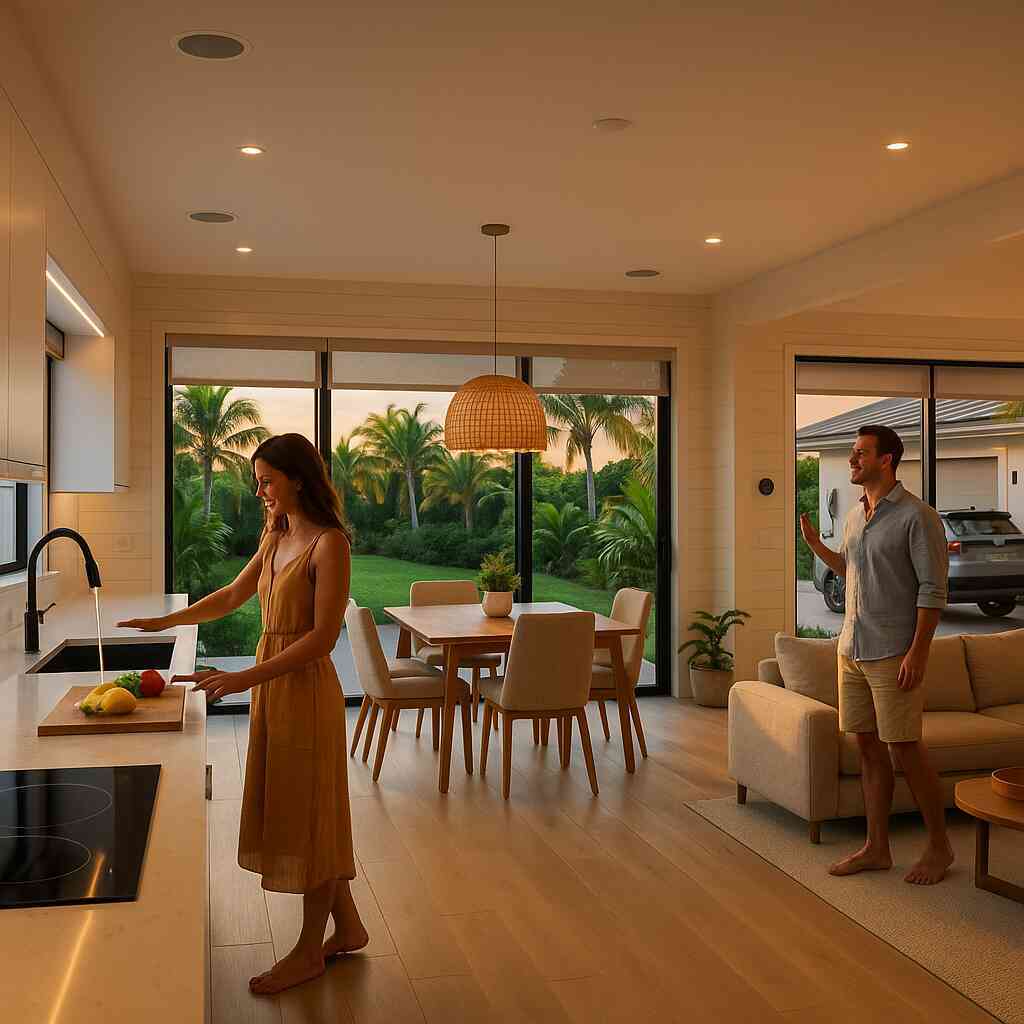
The Smart Home Moment Arrives in Boynton Beach
Smart devices are no longer niche gadgets. In Boynton Beach, they are quickly becoming must-have features of any serious remodel. From voice-controlled lighting to leak-detecting valves, connected technology is reshaping how local homes are designed, built, and lived in. This guide explains why the shift is happening now and how homeowners can plan upgrades that feel seamless rather than experimental.
Why Boynton Beach Is Ripe for Connected Living
- Coastal climate drives interest in real-time moisture, storm, and energy monitoring.
- Rising electricity rates encourage investments in efficient appliances and whole-home dashboards that show savings in dollars, not vague percentages.
- A supportive permitting process and a growing pool of tech-savvy contractors reduce the friction that once slowed adoption.
- Buyers moving from larger metro areas increasingly expect smart features as standard, nudging resale values higher for homes that deliver.
Taken together, these factors make 2026 an ideal moment to weave smart infrastructure into almost any renovation project, whether you are updating a kitchen or re-imagining the entire floor plan.
The New Roles Inside a Tech-Forward Remodel
Traditional remodels revolve around carpenters, electricians, and HVAC specialists. A smart remodel adds several more players:
- Network architect – Designs hard-wired and wireless pathways so devices stay online even during heavy streaming or power blips.
- Low-voltage technician – Installs structured cabling, PoE lighting feeds, and sensor backbones.
- Cybersecurity consultant – Hardens routers, separates guest networks, and updates firmware to keep personal data safe.
A seasoned general contractor coordinates these contributors, checks that each component is certified for high humidity, and maintains clear documentation so owners know exactly what was installed and why.
Core Technologies Leading Local Demand
1. Smart Climate Control
Humidity and heat swings near the coast strain HVAC systems. Learning thermostats paired with remote sensors adjust zones instead of cooling the entire home at once. Many models also talk directly to utility demand-response programs, earning bill credits during peak hours.
2. Leak Detection and Shutoff
Small plumbing failures escalate quickly in a salt-air environment. Battery-backed moisture sensors placed under sinks, behind washers, and along windowsills alert phones within seconds. High-end systems add motorized shut-off valves that stop the flow automatically, limiting damage to a damp patch instead of a soaked subfloor.
3. Whole-Home Energy Monitoring
Panel-level monitors show where power is going room by room. Coupled with solar-ready inverters and home batteries, residents can shift heavy loads—like pool pumps or dryers—to times when sunshine is free, or when grid prices dip.
4. Healthy-Air Tech
Air quality sensors now track pollen, VOCs, and carbon dioxide. When thresholds rise, smart ERV units or in-line purifiers kick on, keeping interiors comfortable without over-ventilating.
5. Voice-First Control
Far-field microphones integrated into ceiling fixtures allow residents to dim lights, lower shades, or cue music without hunting for a phone. Voice scenes—for example, “Goodnight Boynton”—can shut off downstairs lights, lock doors, and lower AC in one command.
Designing Spaces Around Connectivity
Kitchens as Digital Command Centers
A modern Boynton Beach kitchen often pairs induction cooktops with app-connected hood fans that ramp based on heat and steam sensors. Touchless faucets, handy for cleaning seafood, reduce cross-contamination. Cabinet-door displays show pantry levels and recipe videos, while low-profile ceiling speakers blend with coastal, open-concept aesthetics.
Living Areas That Disappear
Open floor plans favor recessed motorized shades, wall-flush televisions, and in-wall speaker arrays. All wiring is routed through structured raceways in advance, eliminating the need to fish cables later and protecting components from salty air.
Bedrooms Focused on Wellness
Circadian lighting gradually shifts from sunrise tones in the morning to warmer hues at night, supporting natural sleep cycles. Quiet air-quality monitors watch for mold-friendly humidity levels and signal dehumidifiers automatically.
Outdoor Zones That Earn Their Keep
Salt-resistant smart lighting guides evening pool parties while conserving power after guests leave. Weather stations on the roof feed data to irrigation controllers, pausing sprinkler cycles during summer downpours common to the region.
Planning a Smooth Upgrade Path
- Prioritize infrastructure first. Low-voltage conduits, dedicated network closets, and ample attic or crawl-space access prevent costly tear-outs later.
- Map device ecosystems. Mixing brands is fine if they share protocols such as Matter or Z-Wave. Commit to an ecosystem early to avoid redundant hubs.
- Secure connectivity. Enable multi-factor authentication on control apps and schedule firmware updates. A segmented guest network keeps visiting devices off critical controls.
- Document everything. Label breakers, patch panels, and automation scenes. Provide a quick-start guide for future occupants or renters.
- Stay modular. Choose platforms that allow over-the-air feature additions so the system can evolve with minimal hardware swaps.
What Smart Features Mean for Resale
South Florida buyers increasingly compare listings by asking: “What can the home do for me on day one?” Properties offering pre-wired rooms, automated climate zones, and energy dashboards typically close faster and closer to asking price. While exact premiums vary, local real-estate professionals report that homes with full smart packages tend to appraise above similar square footage without them, largely due to perceived future-proofing and lower operating costs.
The Bottom Line
Smart-home technology has matured from gadget status to practical, value-driven infrastructure. In Boynton Beach, where climate pressures and energy prices intersect, the benefits are amplified. By working with a contractor fluent in digital systems and by planning infrastructure early, homeowners can enjoy safer, more efficient living today and a stronger resale position tomorrow.
Smart or not, every renovation still relies on thoughtful design, quality materials, and skilled trades. The difference in 2026 is that wiring, sensors, and software now belong on that same checklist. Start with clear goals, build a flexible backbone, and the connected comforts will follow.
Understanding the Smart Home Revolution at Boynton Beach Renovations


Comments
Post a Comment