Smart Office Remodeling Strategies in Boynton Beach 2026
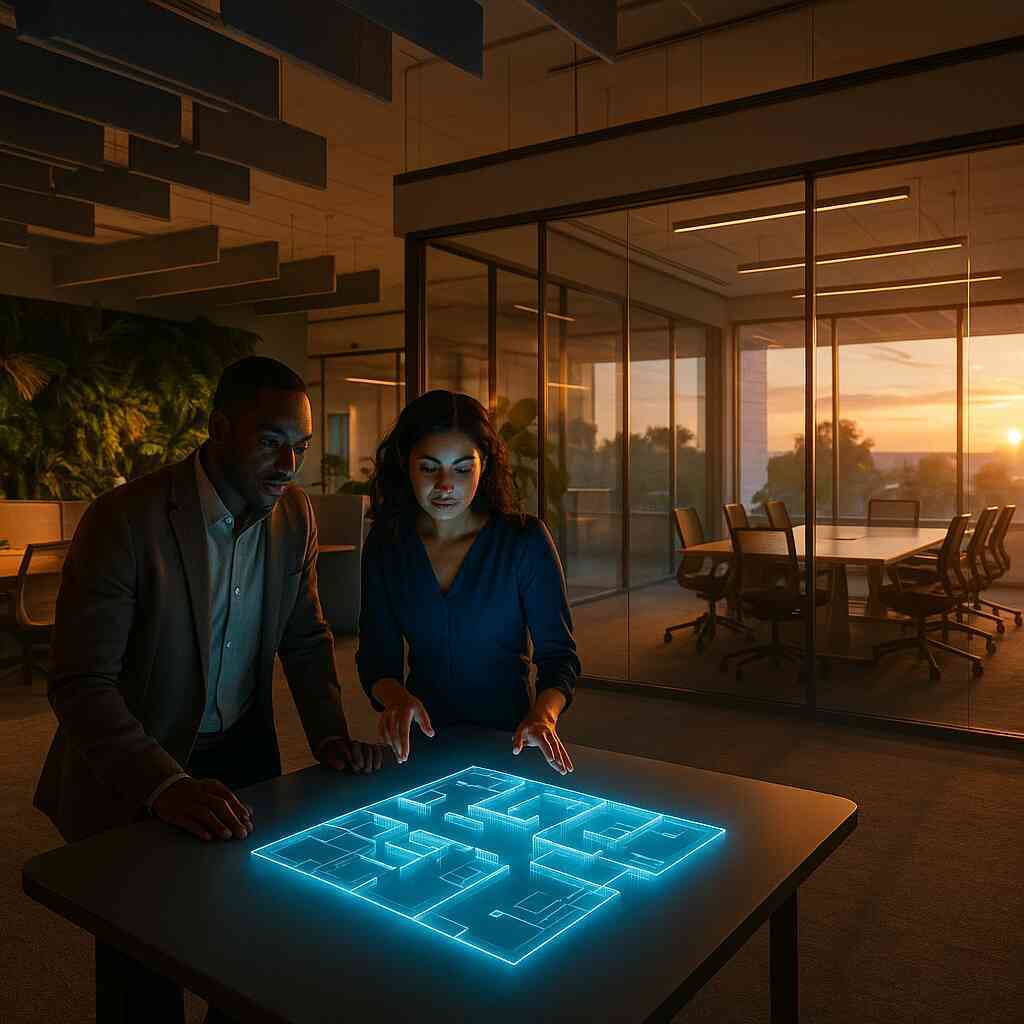
Rethinking Workspaces: Smart Office Remodeling in Boynton Beach
Smart office remodeling helps Boynton Beach companies turn traditional floor plans into adaptive, tech-forward environments that support hybrid schedules, tighter budgets, and higher employee expectations. This guide walks through the core concepts, local considerations, and practical steps that shape a successful transformation in 2026.
What Makes an Office “Smart” Today?
A smart office uses connected systems and modular architecture to anticipate how people move, collaborate, and consume resources. Typical features include:
- Internet-of-Things sensors that adjust lighting, air flow, and occupancy settings automatically.
- Moveable walls and furniture that convert meeting zones into focus rooms within minutes.
- Touchless entry, booking panels, and way-finding screens that reduce friction for visitors and staff.
- Data dashboards that reveal real-time space usage and energy performance so leaders can refine layouts continually.
When these elements work together, the workplace feels intuitive and future-proof, even as headcount or project demands shift.
Why Boynton Beach Firms Are Upgrading in 2026
South Florida’s talent pool expects flexible schedules, wellness amenities, and environmental accountability. A smart remodel addresses each driver:
- Hybrid work support – Employees divide their week between home and headquarters. A desk-sharing model combined with reliable video conferencing tools ensures consistency no matter where people sit.
- Cost optimization – Sensors highlight rarely occupied zones. Companies can consolidate excess space or convert it into revenue-generating suites.
- Climate resilience – Intelligent glazing, hurricane-rated partitions, and efficient HVAC controls lower utility bills and protect against severe weather.
- Recruitment edge – Visitors walking into a dynamic lobby with digital art walls instantly perceive an innovative culture.
Planning for Success: Key Phases
1. Discovery and Data Collection
Begin with occupancy studies and employee interviews. Understand peak versus off-peak usage, collaboration pain points, and air-quality complaints. Hard numbers help set priorities and measure return on investment later.
2. Concept Design and Budget Alignment
Architects translate findings into zoning diagrams: quiet libraries, project huddle areas, wellness nooks, and hospitality-style cafés. At this stage, an experienced Boynton Beach contractor can flag local code triggers—wind-load calculations, ADA upgrades, or parking minimums—so costly surprises do not surface during permitting.
3. Technology Integration Mapping
Low-voltage consultants create a backbone plan that accommodates Wi-Fi 6E, PoE lighting, and sensor clusters without overloading existing electrical panels. Future expansion ports are reserved to avoid ripping open ceilings down the road.
4. Construction and Commissioning
Sequencing matters. Raised access floors, cabling, and movable track systems go in before finish materials. Once devices are live, commissioning agents fine-tune set points and verify that dashboards display accurate metrics.
5. Post-Occupancy Optimization
The job does not end on move-in day. After 90 days, compare predicted versus actual usage. Reposition mobile partitions or adjust software rules to address emerging patterns.
Budget Strategies That Stretch Every Dollar
- Adaptive Reuse First: Keep structural columns, restrooms, and vertical shafts intact. Redirect funds toward technology and acoustic treatments that users notice daily.
- Phased Implementation: If capital is tight, install the digital infrastructure now and add high-end collaboration fixtures later. This avoids re-pulling cables.
- Modular Furnishings: Lease or purchase demountable walls that can relocate to a new suite if the firm moves in the future, protecting the initial investment.
- Energy Incentives: Utility rebates for LED, occupancy sensors, and smart thermostats can offset upfront costs. Factor these into pro-forma calculations.
Designing for Brand and Culture
A smart office should still feel unmistakably yours. Consider the following tactics:
- Signature Arrival Moment: A curved LED ticker or interactive donor wall showcases achievements and greets guests.
- Biophilic Touches: Real greenery paired with circadian-tuned lighting reinforces wellness values and mitigates screen fatigue.
- Color and Material Palette: Use corporate tones in acoustic panels, upholstery, and way-finding icons to create a cohesive visual language.
- Dynamic Digital Art: Schedule content loops that celebrate milestones, community initiatives, or local scenery to keep the space fresh without physical reprints.
Common Pitfalls and How to Avoid Them
- Over-specifying gadgets – Complex control layers can overwhelm staff. Choose platforms that integrate into one easy app or badge tap.
- Ignoring acoustics – Glass walls look sleek but may echo. Integrate baffles, carpeting, and ceiling clouds early in design.
- Forgetting cybersecurity – Every sensor is a network node. Coordinate with IT security teams on encryption standards and firmware update policies.
- Skipping change management – Even the smartest layout fails if employees do not understand desk booking etiquette or hardware quirks. Provide training and clear signage.
Measuring ROI Beyond Construction Costs
- Utilization Rates: Compare average seat occupancy before and after the remodel. A 20 % increase often justifies the capital expense within two to three years.
- Energy Savings: Smart lighting and HVAC can cut utility bills by 15–30 % depending on baseline efficiency.
- Employee Satisfaction: Pulse surveys on comfort, collaboration, and technology reliability serve as leading indicators for retention and productivity.
- Lease Flexibility: With modular partitions, the company may sublet portions of the floor or expand without moving, reducing relocation downtime.
Final Thoughts
Smart office remodeling in Boynton Beach is not about chasing every new gadget. It is a balanced process that marries adaptive interiors, resilient infrastructure, and data-driven operations to business goals. By gathering clear requirements, partnering with experienced local professionals, and planning for continuous optimization, organizations can deliver a workplace that attracts talent, controls costs, and evolves gracefully as work styles continue to change throughout 2026 and beyond.
Ultimate Guide to Smart Office Remodeling by Boynton Beach Innovations


Comments
Post a Comment