Sustainable Home Additions in Delray Beach – RENOVA Guide
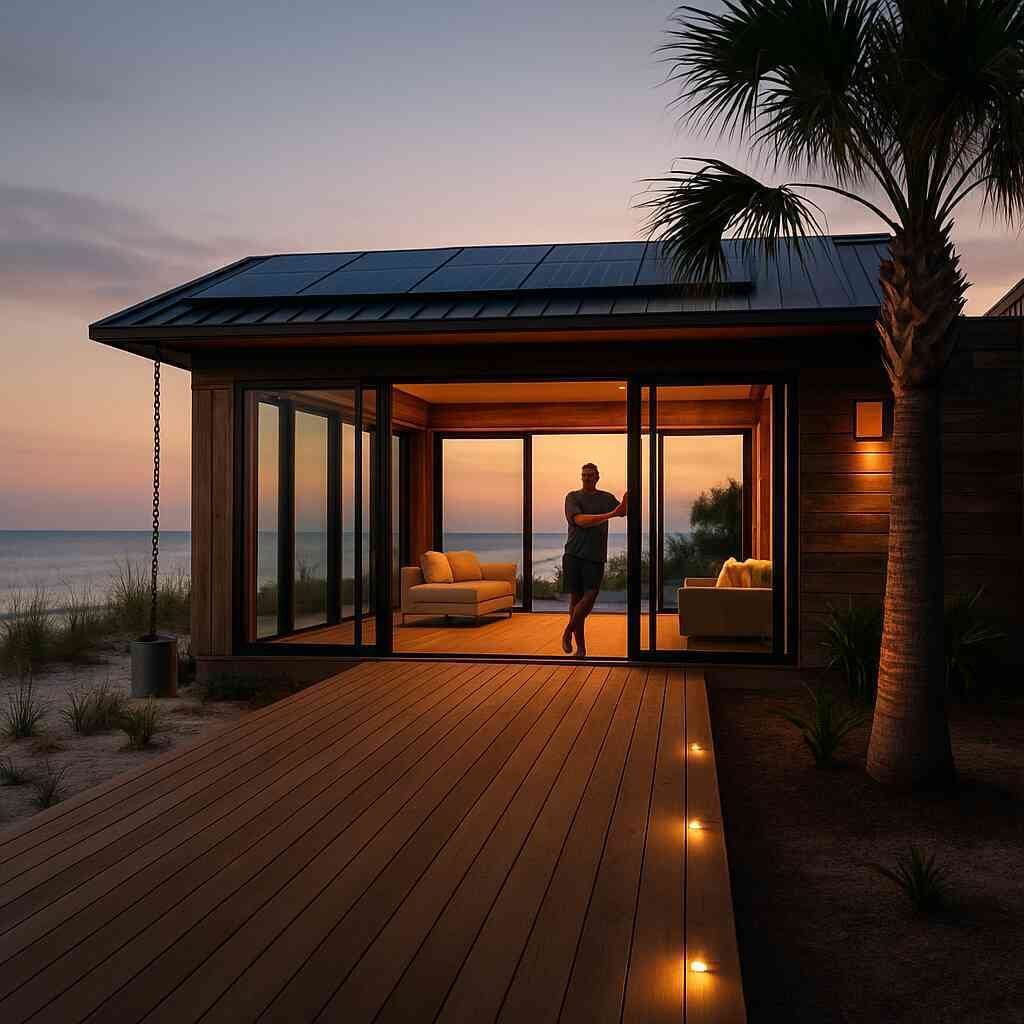
Building Smarter Space in Coastal Florida
South Florida sunshine is a gift, yet the heat, humidity, and hurricane risk can strain both comfort and budgets. Homeowners in Delray Beach are answering those challenges with sustainable home additions—rooms, wings, and accessory dwellings designed to conserve energy, harness breezes, and protect against storms. This guide breaks down the essential strategies RENOVA uses when creating eco-conscious expansions in 2026.
Why Efficiency Matters in Delray Beach
- Air-conditioning can account for more than half of a household’s electricity use during peak summer days.
- Insurance incentives reward homes that exceed current wind-resistance codes.
- Buyers now look for verified energy ratings when comparing properties, which can shorten time on market.
A thoughtfully planned addition can lower operating costs from day one and position the home for a stronger resale later.
The Value of a Licensed General Contractor
Working with a state-licensed Delray Beach contractor is more than a legal requirement; it is the backbone of a predictable, code-compliant build. A qualified professional will:
- Navigate coastal wind-borne debris regulations and FEMA flood-zone rules.
- Coordinate engineers, inspectors, and specialty trades so every connection—roof tie-downs, window anchors, mechanical penetrations—meets the latest standard.
- Provide transparent schedules and cost tracking, making it easier to adjust scope before overruns occur.
RENOVA combines permitting knowledge with energy-modeling software, letting clients see both compliance and projected utility savings before ground breaks.
Passive Design Principles for the Atlantic Coast
1. Orientation and Shading
Positioning living areas along the north or south façade minimizes harsh east-west glare. Deep roof overhangs, louvered pergolas, and native palms then filter high-angle summer sun while allowing lower winter rays. The result is naturally balanced daylight that reduces interior heat gain and the need for artificial lighting.
2. Cross-Ventilation
Clerestory windows paired with floor-level inlets encourage stack effect cooling. When evening temperatures dip, warm air exits through the high openings while fresh ocean air enters below. Carefully placed interior transoms help move that breeze farther into the floor plan.
3. Thermal Mass and Insulation
Insulated concrete forms (ICFs) are common in Delray additions because they deliver both hurricane resilience and a high R-value wall. The concrete core stabilizes indoor temperatures, while the foam layers curb conduction. Combined with a reflective roof membrane and R-30 attic insulation, these assemblies keep conditioned air where it belongs.
Materials That Balance Beauty and Strength
| Component | Sustainable Choice | Benefit |
|---|---|---|
| Windows | Laminated low-e impact glass | Blocks UV, resists windborne debris |
| Exterior walls | ICF or AAC block | High insulation, mold resistance |
| Decking | Recycled plastic-wood composite | No splinters, long service life |
| Trim and cabinetry | FSC-certified hardwoods | Responsible forestry |
| Paints and sealers | Low- or zero-VOC formulas | Healthier indoor air |
Choosing materials with documented life-cycle data supports both environmental goals and long-term durability.
Smart Systems and Renewable-Ready Layouts
Energy efficiency is not limited to the shell. Mechanical, electrical, and plumbing systems account for a sizeable portion of resource use, so RENOVA plans each addition to be solar- and battery-ready from day one.
- High-SEER variable-speed HVAC: Adapts output to humidity levels rather than simply temperature, enhancing comfort while trimming peak demand.
- Heat-pump water heating: Uses ambient indoor air or exterior ventilation to warm water at a fraction of conventional electric resistance cost.
- LED lighting with daylight sensors: Automatically dims fixtures near windows to maintain a steady brightness with less wattage.
- Conduit pathways to the roof: Even if photovoltaics are a future upgrade, pre-installed chases avoid disruptive retrofits later.
- Whole-home surge protection: Essential in an area prone to lightning and grid fluctuations.
Budget and Timeline Planning
Sustainability does not have to blow up a budget. Most cost premiums lie in the building envelope—impact glazing, upgraded insulation, and advanced air sealing—items that also generate the highest ongoing savings. A balanced budget typically looks like this:
- 55% Structure and envelope (walls, roofing, windows)
- 20% Mechanical, electrical, plumbing upgrades
- 15% Interior finishes and fixtures
- 10% Contingency for weather delays or minor scope shifts
Because Delray Beach can experience heavy summer rains, the construction calendar should target a dried-in shell before hurricane season whenever possible. RENOVA’s project management software issues weekly updates that highlight weather risks and delivery lead times for specialty items such as custom hurricane shutters.
Maintenance Moves That Protect the Investment
- Schedule annual roof and gutter inspections each spring.
- Test impact window seals and lubricate hardware at the start of hurricane season.
- Flush rainwater harvesting systems to remove debris after prolonged dry spells.
- Replace HVAC filters every two months during peak cooling periods.
Preventive care is straightforward yet critical in a subtropical climate where salt air, sun, and moisture accelerate wear.
Key Takeaways
- Orient rooms to capture light from the north and south while shielding east and west façades with vegetation and overhangs.
- Choose hurricane-rated assemblies that double as high-performance insulation.
- Integrate low-VOC finishes and renewable-ready infrastructure to future-proof both health and property value.
- Partner with a licensed Delray Beach contractor to streamline permits, coordinate skilled trades, and provide accurate cost-benefit analyses.
By weaving passive cooling, resilient materials, and smart technology into every layer of a new addition, homeowners can enjoy year-round comfort with lower energy bills—all while strengthening their home’s market position in 2026 and beyond.
Adding sustainable space is no longer a luxury on Florida’s Atlantic coast; it is fast becoming the baseline for responsible, resilient living. Whether you envision a sun-filled studio, a multigenerational suite, or a full second-story expansion, the same principles apply: respect the climate, fortify for storms, and design for efficient operation. When those elements come together, the result is an addition that looks beautiful, feels comfortable, and pays dividends for decades.
The Ultimate RENOVA Guide to Sustainable Delray Additions


Comments
Post a Comment