Sustainable Living in Boynton Beach Home Renovations
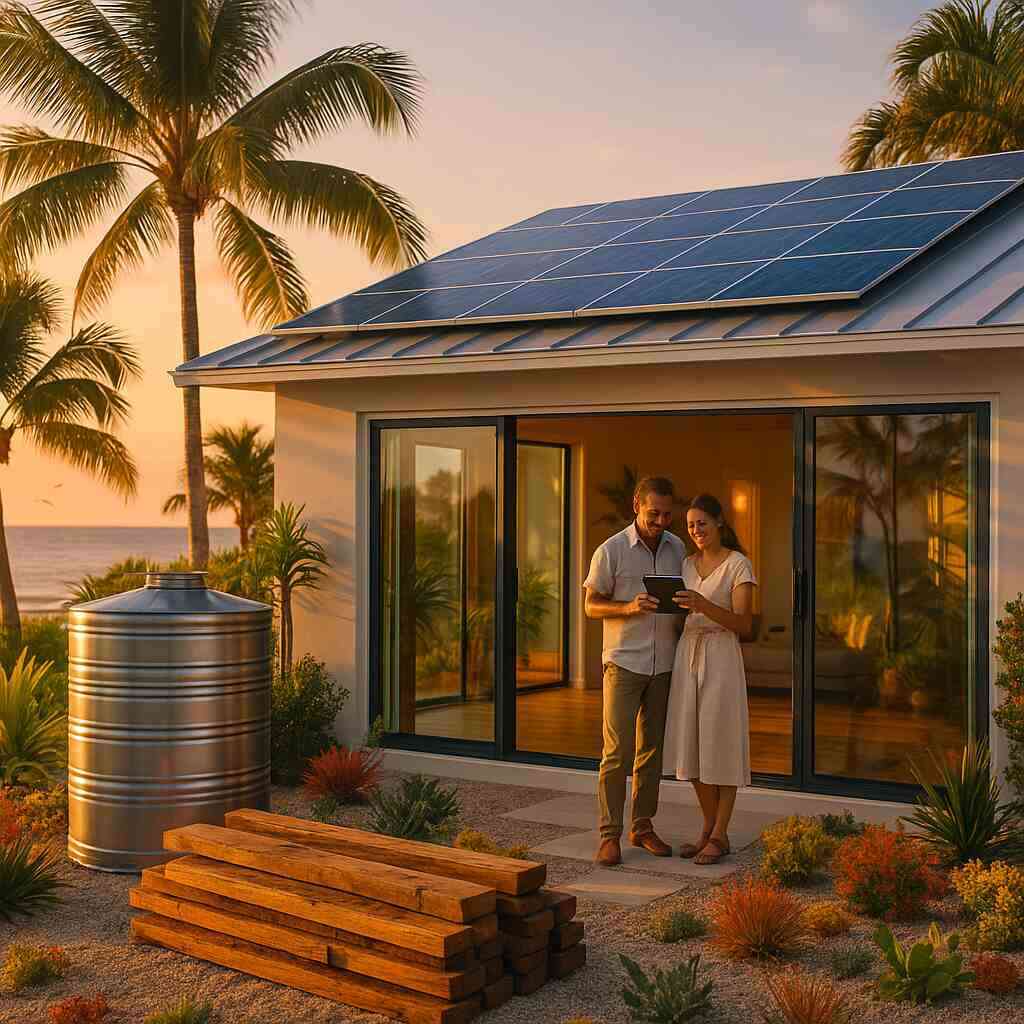
Why Sustainability Matters on Florida’s Gold Coast
Boynton Beach homeowners sit between the Atlantic Ocean and the Everglades. That location brings sea-salt air, intense sunshine, and a rising risk of storms. Renovating with sustainability in mind is not only environmentally responsible; it directly protects household comfort and long-term budgets in this coastal climate.
This guide explains what “sustainable living” means when you remodel a Boynton Beach property, the practical building strategies behind it, and the community benefits that arise when many neighbors choose the same path.
Core Principles of a Low-Impact Remodel
1. Life-Cycle Thinking
Sustainable upgrades evaluate the entire life of each product—from raw material extraction to disposal decades later. Choosing durable, repairable items lowers waste and replacement costs. In practical terms, that means:
- Marine-grade stainless fasteners that withstand salt spray
- Fiber-cement or recycled aluminum siding rated for 30-plus years
- Standing-seam metal roofs that reflect heat and can be fully recycled
2. Energy Efficiency First
The cleanest kilowatt is the one never used. Local builders start with a tight building envelope and optimized mechanical systems before adding solar. Key moves include:
- Closed-cell spray foam in attics and band joists to stop humid air infiltration
- High-performance, low-emissivity windows with Miami-Dade hurricane ratings
- Variable-speed heat pumps that dehumidify without over-cooling
3. Water Stewardship
Fresh water is precious in South Florida. Renovations reduce demand and manage drainage to protect canals and mangroves.
- EPA WaterSense fixtures cut indoor consumption up to 30 percent
- Dual-flush toilets and tankless water heaters limit standby losses
- Permeable pavers, rain gardens, and cisterns capture stormwater on-site
4. Healthy Materials
Indoor air can be two to five times more polluted than outdoor air. Low-VOC paints, formaldehyde-free cabinets, and tile or FSC-certified wood flooring safeguard respiratory health while standing up to humidity.
Room-by-Room Strategies
Kitchen
- Induction cooktops provide instant control without combustion gases.
- Recycled-content quartz counters resist stains better than natural stone in salty air.
- ENERGY STAR appliances and undersink filtration reduce energy and plastic bottle use.
Bathrooms
- Curbless showers with recycled glass tile make aging-in-place easier and reflect light to reduce the need for bright, hot bulbs.
- Ventilation fans with humidity sensors run only when needed, keeping mirrors clear and mold at bay.
Exterior Envelope
- Deep roof overhangs shade glazing and shield walls from horizontal rain.
- Light-colored, UV-stable paints cut surface temperature by several degrees, easing cooling loads.
Renewable Power and Resilience
Once the efficiency basics are covered, renewable energy becomes more affordable and effective.
- Pre-wired conduit to the roof lets owners add solar PV in stages without major tear-outs.
- Small-scale battery storage keeps refrigerators, medical devices, and Wi-Fi operational during grid outages.
- Solar water-heating panels cut electric water-heater use by up to 80 percent year-round.
Together, these features turn a home from a constant energy consumer into a micro-generator that supports the wider grid, especially during sunny summer peaks.
Community-Scale Benefits
When one home installs permeable driveways, flooding on that block drops a little. When half the street adopts the same measure, puddles disappear and local waterways stay clearer. The story is similar for rooftop solar, rain barrels, and drought-resistant native plants.
Boynton Beach civic groups routinely host workshops where neighbors share lessons learned—what tile held up to salt spray, which contractor understood solar orientation best, and how to navigate rebate paperwork. Each successful remodel makes the next one easier, accelerating progress toward a resilient, net-positive neighborhood.
Cost Considerations and Payback
Many sustainable features cost the same as conventional options when life-cycle savings are considered. For instance, a metal roof may add 15 percent to initial costs yet last twice as long as asphalt shingles while lowering attic temperatures immediately. Likewise, high-SEER heat pumps can trim utility bills enough to recoup their premium in three to five years.
Key ways Boynton Beach residents manage budgets:
- Phased renovations—air sealing and insulation first, then solar once loads drop.
- Combining projects—window replacements timed with exterior paint to save scaffold costs.
- Leveraging local rebates for high-efficiency HVAC, smart thermostats, and native landscaping.
A trusted general contractor can model expected energy savings so owners see clear numbers, not guesses, before signing contracts.
Common Myths — Busted
“Green materials are always expensive.”
Many low-VOC paints and WaterSense fixtures now cost the same as standard products. Savings grow when they prevent future repairs or health issues.“Sustainable means minimalist or rustic.”
Modern finishes, bold colors, and contemporary floor plans pair perfectly with eco-friendly materials. Sustainability is a process, not a style.“Solar panels will blow off in a hurricane.”
Panels installed to Florida Building Code wind-load standards have proven to stay put—even serving as additional roof protection.
A Step-By-Step Path for Homeowners
- Audit Current Performance – Order a blower-door test and infrared scan to locate air leaks and insulation gaps.
- Set Clear Goals – Lower bills, improve air quality, withstand storms, or all three.
- Hire Qualified Pros – Look for contractors experienced with heat-pump sizing, reflective roofing, and salt-air hardware.
- Prioritize Envelope First – Seal, insulate, shade, then update mechanical systems.
- Plan for Future Tech – Even if solar or batteries are later, build in conduit, wall space, and main-panel capacity today.
- Track and Share Results – Monitor utility bills and comfort levels, then share the data with neighbors to inspire the next project.
The Takeaway
Sustainable living in Boynton Beach renovations boils down to making every square foot work harder—cooling itself naturally, sipping water, and riding out storms with minimal interruption. By thinking across the full life cycle, choosing durable, healthy materials, and embracing efficiency before generation, homeowners create coastal retreats that serve both their families and the wider environment for decades.
Renovating with these principles is not an indulgence; it is the new common-sense baseline for 2026 and beyond. When many households follow suit, Boynton Beach becomes more resilient, energy-secure, and vibrant, proving that sustainable design is as much about community well-being as individual comfort.
What Does Sustainable Living Mean in Boynton Beach Renovations


Comments
Post a Comment