Winter Construction Secrets for South Florida Builders
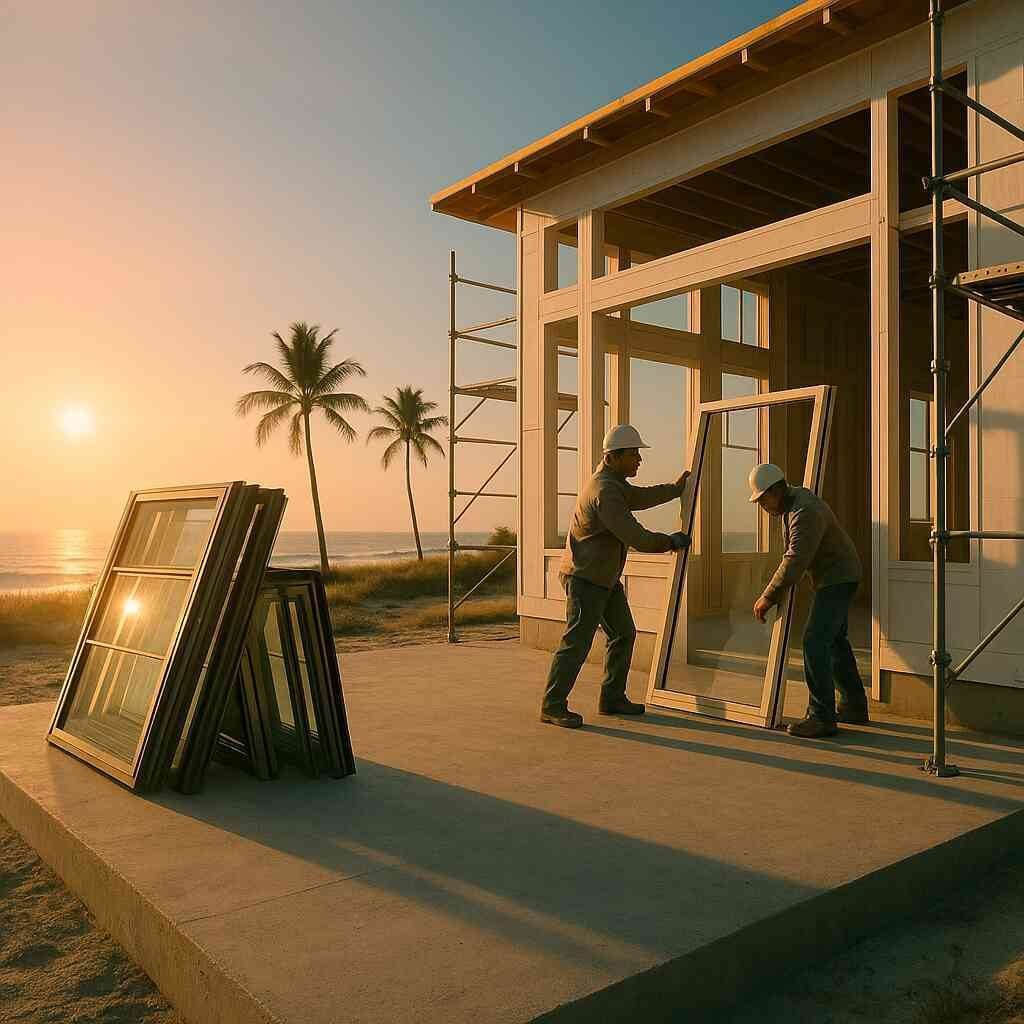
South Florida’s mild, dry winter is more than a pleasant break from summer heat—it is prime time for high-performance construction. Builders that understand seasonal nuances can pour stronger slabs, finish interiors faster, and deliver homes that age gracefully in a coastal climate. This overview breaks down why the cool-season window matters and how experienced contractors leverage it from permit to punch-out.
Why Winter Offers a Scheduling Edge
Dry air and cooler mornings shrink the two biggest variables that derail summer projects: pop-up storms and oppressive humidity. When precipitation chances drop, crews make steady progress without pausing to cover materials or pump out trenches. Lower humidity also means fewer moisture-related callbacks later.
Key advantages contractors report:
- Predictable workdays – Fewer weather suspensions keep the critical path intact.
- Better crew morale – Moderate temperatures reduce fatigue and overtime costs.
- Smoother inspections – Municipal departments face lighter volumes outside peak tourist renovation season, accelerating plan reviews.
Homeowners who secure contracts before the holidays often gain priority slots in subcontractor calendars and avoid mid-year price bumps tied to demand spikes.
Concrete That Lasts Longer
South Florida never sees true freezing temperatures, yet even a 10-degree dip from summer highs improves concrete hydration. Cooler mornings slow the chemical reaction just enough to boost long-term strength and diminish early thermal cracking.
Best practices include:
- Low-heat cement blends with supplementary fly ash to reduce internal temperatures.
- Continuous temperature logging from placement through initial cure.
- Epoxy-coated rebar and strict cover clearances to combat salt-laden breezes that accelerate corrosion.
By the time spring squalls return, foundations have already reached design strength, allowing framers to mobilize without delay.
Humidity-Controlled Interior Finishes
Even after the roof dries in, South Florida’s ambient moisture can telegraph into drywall, flooring, and millwork. Winter’s lower dew points give trades a natural advantage:
- Drywall joints set uniformly, minimizing surface waves visible under indirect lighting.
- Paint cures to a harder film, improving stain resistance and sheen consistency.
- Wood flooring arrives closer to interior equilibrium, reducing post-install cupping or gaps.
Quality-focused contractors still monitor relative humidity with digital sensors, but winter conditions make threshold targets far easier to hit without auxiliary dehumidifiers.
Re-Sequencing the Day for Productivity
Shorter daylight hours sound like a drawback until schedules pivot accordingly. A common winter rhythm looks like this:
- Dawn exterior work – Framers and siding crews maximize the coolest, driest part of the day.
- Late-morning shift indoors – Mechanical, electrical, and plumbing teams take over exterior zones after the sun climbs.
- Afternoon finish trades – Drywall, paint, and cabinetry run inside conditioned shells where humidity is low.
This choreography minimizes idle time and keeps every trade in optimal working conditions, often shaving weeks off total duration compared with a midsummer start.
Material Considerations Near the Coast
Salt air never takes a vacation. Even in January, chloride ions can attack unprotected metals and embed in fresh concrete. Experienced builders spec:
- Marine-grade stainless or hot-dipped fasteners for exterior assemblies.
- UV-stable, reflective roof membranes that double as heat shields come August.
- Rigid foam sheathing plus airtight detailing to block both winter breezes and summer humidity.
These assemblies cost more up front but pay off in lower maintenance and stronger wind-storm resilience—traits many insurers now reward with premium credits.
Permit Strategy and Cost Timing
Tourism peaks between December and April, yet many seasonal residents postpone disruptive remodeling until they migrate north. That creates an unusual gap: building departments remain staffed, but application volumes dip. Savvy general contractors file during this lull and often secure faster first-round approvals. Suppliers also place larger winter stock orders for hurricane-rated windows, metal roofing, and specialty hardware, reducing lead-time headaches.
From a budget standpoint, labor premiums tend to stabilize in the off-season. Subcontractors value predictable, full-day blocks of work over piecemeal summer schedules interrupted by storms. Owners who start during winter therefore benefit from more competitive bids and fewer allowance overruns.
Moisture Management Details That Matter
South Florida houses face year-round vapor drive, even when skies are blue. Winter is the ideal moment to integrate safeguards:
- Capillary breaks at sill plates using gasketed membrane or peel-and-stick flashing to prevent wicking.
- Properly lapped housewrap with reverse shingle technique so wind-driven rain never reaches sheathing.
- Continuous air-barrier inspection before drywall to stop humid air from condensing inside wall cavities.
These details remain invisible after finishes, yet they preserve indoor air quality and reduce long-term energy costs.
Putting It All Together
A well-planned winter build in South Florida is like a synchronized regatta: each trade catches favorable winds, fewer storms threaten progress, and quality soars thanks to stable humidity. Homeowners move in earlier, spend less on climate-control corrections, and gain a structure engineered for both breezy January mornings and the fiercest August squalls.
For builders and clients alike, the lesson is clear. Treat winter not as a slow season but as the smart season—when the climate becomes an ally instead of an adversary.
What RENOVA Reveals About South Florida Winter Builds


Comments
Post a Comment