2026 Guide to Building Custom Homes in West Palm Beach FL
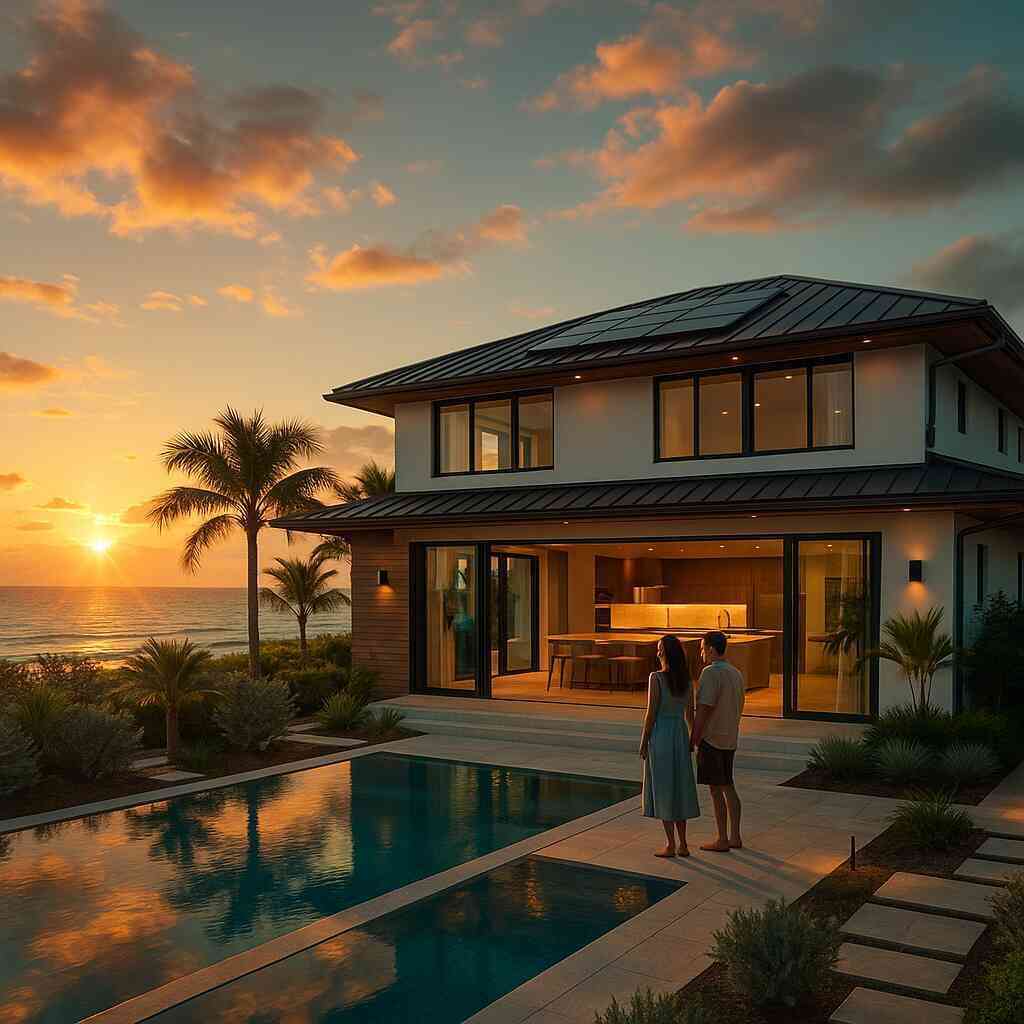
Why a Custom Home Is the Ultimate Palm Beach Upgrade
Designing a residence from the ground up lets you tailor every square foot to the coastal lifestyle. Breezy indoor-outdoor rooms, storm-rated materials, and layouts that evolve with multigenerational needs all become possible when you start with a blank canvas. This guide walks through the major steps—visioning, permitting, budgeting, and detailing—so your project stays aligned with both creative goals and Palm Beach County requirements.
1. Turn Inspiration Into Actionable Plans
Most projects begin with mood boards, magazine clippings, or smartphone albums of dream kitchens. Transforming those ideas into buildable documents requires three essentials:
- A clear list of lifestyle priorities (work-from-home zones, aging-in-place suites, boat storage, etc.).
- An honest budget range that includes contingencies for hidden soil or utility surprises.
- A site analysis showing sun paths, prevailing winds, and any flood-zone elevations.
Architects familiar with West Palm Beach marry these factors with popular local styles such as Coastal Contemporary and Modern Farmhouse. Early collaboration with structural engineers keeps roof spans, window sizes, and mechanical runs realistic, preventing costly redesigns later.
Pro Tip: Lean on 3D Visualization
Photorealistic renderings let you virtually stand in the foyer, angle furniture, and test sightlines to the Intracoastal before concrete is poured. Seeing scale in three dimensions drastically reduces mid-build change orders.
2. Navigate the Palm Beach County Permitting Maze
Even longtime residents are surprised by how much code differs block to block. Setbacks, dune protections, and FEMA freeboard regulations all vary by municipality. A seasoned preconstruction team will:
- Map every applicable ordinance, from tree-canopy preservation to turtle-friendly lighting.
- Build a realistic timeline that includes design review boards and potential variance hearings.
- Prepare digital plan sets that inspectors can access on tablets, speeding approvals.
On-site managers who speak the language of building officials often secure faster green tags because inspectors trust their documentation and craftsmanship.
3. Budget Smart Without Sacrificing Craftsmanship
Custom does not have to equal extravagant spending. Value-driven strategies include:
- Prefabricated wall panels: Precision-cut off-site, they shorten framing time and reduce waste.
- Bulk purchasing: Ordering cabinetry, stone, and fixtures together locks in pricing before market fluctuations.
- Energy-first design: A tighter building envelope, spray-foam insulation, and high-impact low-E glass trim monthly utility bills, freeing cash for premium finishes.
The result is a home that feels luxurious yet operates efficiently—an important selling point if you ever list the property.
4. Structure for Hurricane Season—and the Next One
Wind-borne debris and storm surges are realities of coastal living. Today’s best practices include:
- Continuous load paths that tie roof trusses to the foundation.
- Concrete block or insulated concrete-form walls rated for at least 170-mph gusts.
- Self-healing waterproof membranes on low-slope roofs.
- Whole-house generators positioned above base flood elevation.
Integrating these measures during design is far more cost-effective than retrofitting after a storm threat emerges.
5. Design Themes That Resonate in 2026
Coastal Contemporary
Clean rooflines, expansive glass, and neutral palettes blur boundaries between indoor and outdoor living. Oversized sliders tuck into pockets, inviting sea breezes through great rooms clad in shiplap.
Modern Farmhouse, Florida Edition
Board-and-batten accents and standing-seam metal roofs evoke rural charm while maintaining hurricane resilience. Deep porches double as shading devices, reducing solar gain.
Biophilic Touches
Living green walls, skylit stairwells, and natural stone floors connect occupants with nature—an antidote to screen fatigue and a proven way to boost well-being.
6. Tech and Sustainability Upgrades Worth Considering
- Net-metered solar with battery storage to ride out grid outages.
- Smart glass that tints automatically, protecting interiors from UV while maintaining views.
- Low-voltage LED grids controlled by voice or smartphone for precise ambiance.
- Greywater recycling systems that irrigate native landscaping, slashing outdoor water use.
Because these features are specified in the blueprint rather than as afterthoughts, wiring paths, chase spaces, and equipment pads can be sized correctly from day one.
7. Construction Phase: What to Expect Week by Week
- Site prep and staking – Lot lines verified, temporary power installed.
- Foundation and stem walls – Soil compaction tests ensure bearing capacity.
- Vertical structure – Walls and trusses go up; mechanical rough-ins follow.
- Dry-in – Roof, windows, and doors make the shell weather-tight.
- Finishes – Drywall texture, cabinetry, flooring, and trim progress in sequence.
- Commissioning – HVAC balancing, plumbing pressure tests, and electrical load checks finalize performance.
Detailed weekly reports with photos and schedule updates keep homeowners informed, even if they are out of state.
8. Final Walkthrough and Warranty
Before move-in, a punch-list walkthrough catches minor issues such as paint touch-ups or cabinet alignment. A comprehensive homeowner manual—complete with maintenance intervals, appliance serial numbers, and finish schedules—simplifies future upkeep. Most reputable builders offer a one-year workmanship warranty plus manufacturer-backed coverage on major systems.
Key Takeaways
- Start with a crystal-clear vision, budget, and site analysis.
- Lean on professionals experienced with Palm Beach County codes to streamline permits.
- Invest in hurricane-rated structure and energy-efficient systems from the outset.
- Use 3D renderings and weekly progress reports to minimize surprises.
Building a custom home can feel complex, but a structured process turns inspiration into a resilient, beautiful address ready for decades of coastal living.
2026 Guide to Custom Homes by West Palm Beach Renovations


Comments
Post a Comment