Biophilic Design in Boynton Beach Office Renovations Explained
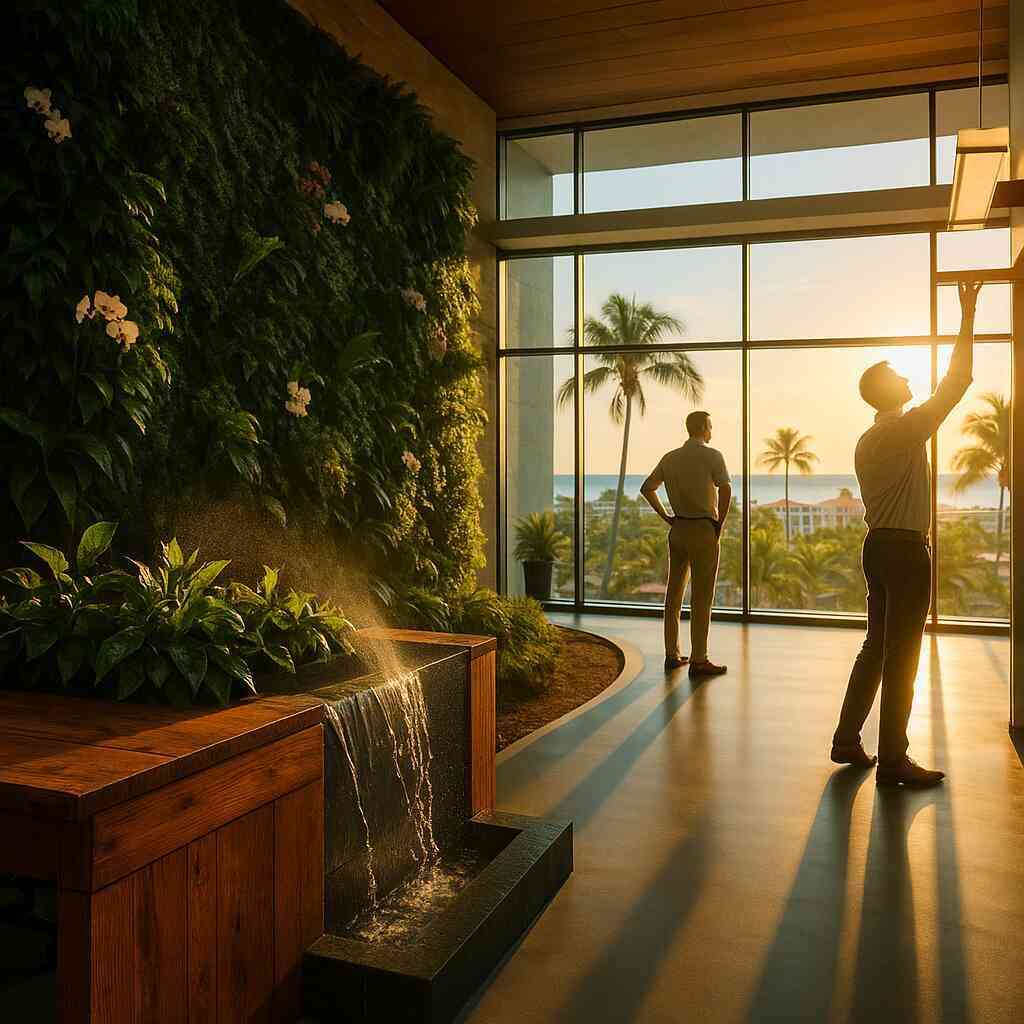
How Biophilic Design Is Transforming Office Renovations in Boynton Beach
Biophilic office design is gaining serious momentum in South Florida, and Boynton Beach businesses are leading the way. By incorporating natural elements like daylight, living plants, organic materials, and water features into the workplace, companies are seeing measurable improvements in employee wellbeing, productivity, and talent retention.
This overview breaks down the core strategies, construction considerations, and practical benefits of biophilic office renovations tailored to coastal Florida conditions.
Why Biophilic Design Makes Sense in South Florida
Boynton Beach sits in a region defined by sunshine, ocean breezes, and year-round greenery. It makes natural sense that local businesses want workplaces that reflect that environment rather than work against it.
Biophilic design does exactly that. Instead of treating nature as decoration, it integrates natural systems directly into how a building functions. The result is a workspace that feels alive, supports human health, and signals organizational values to employees and clients alike.
In 2026, professionals have more options than ever about where and how they work. Workplaces that align with personal values around wellness and sustainability have a clear edge in recruiting and retention.
Core Biophilic Strategies for Office Renovations
1. Maximizing Natural Daylight
Daylight is one of the most powerful tools in biophilic design. It supports circadian rhythms, reduces eye strain, and lowers energy costs. In a coastal Florida climate, it also happens to be abundantly available.
Effective daylight strategies include:
- Clerestory windows and light wells that draw sunlight deep into floor plans
- Daylight harvesting systems that automatically dim electric lighting as natural light increases
- High-albedo ceiling tiles that bounce indirect light throughout interior spaces
- Light shelves made from powder-coated aluminum that redirect sunlight upward and reduce glare
For any renovation in Palm Beach County, skylights must meet hurricane-rated standards, including laminated glazing and properly engineered curb flashings. Getting these details right from the start prevents costly repairs later.
2. Living Walls and Interior Plantings
Plants do more than look attractive. They filter indoor air, absorb sound, and create visual variety that reduces mental fatigue. Living walls, in particular, serve double duty as acoustic buffers, which can reduce the need for expensive sound masking systems.
In a humid coastal climate, plant selection matters. Species that tolerate indoor humidity and temperature fluctuations are far easier to maintain long term. Coordinating with a horticulturist during the design phase helps ensure the right plants end up in the right locations.
3. Natural Materials and Finishes
Organic textures like reclaimed wood, stone, bamboo, and cork bring warmth and visual grounding to office interiors. These materials also tell a story about sustainability when sourced responsibly.
For coastal Florida offices, material durability is non-negotiable. Salt air, humidity, and UV exposure can degrade finishes quickly. Choosing materials that are salt-air resilient, low in volatile organic compounds (VOCs), and regionally sourced where possible keeps maintenance costs manageable and supports healthier indoor air quality.
4. Biophilic Acoustics
Noise is one of the top complaints in open-plan offices. Biophilic design addresses this in layered ways. Living walls absorb sound. Natural materials like wood and cork dampen echo. Water features introduce soft ambient sound that masks distracting background noise without feeling artificial.
Wellness Certifications and Construction Standards
Many organizations pursuing biophilic renovations also pursue formal wellness certifications such as WELL or LEED. These frameworks provide clear benchmarks for air quality, lighting, thermal comfort, and material safety.
Using these standards as early design checkpoints helps ensure that construction decisions support wellness goals from the start. For example, locating workstations where circadian lighting is strongest, and assigning enclosed meeting rooms to shaded core areas, improves both comfort and energy performance.
Construction sequencing also plays a role in occupant health. Best practices include isolating dusty trades, scheduling loud work during off-hours, and using high-quality air filtration throughout the build. These steps matter especially in phased renovations where employees remain in the building.
The Long-Term Business Case
Biophilic office renovation is not simply an aesthetic upgrade. The financial case is real.
- Energy savings from daylight harvesting and smart glazing reduce operating costs
- Lower absenteeism linked to improved air quality and natural light
- Stronger retention as employees feel healthier and more connected to their workplace
- Reduced acoustic treatment costs when living walls and natural materials handle sound absorption
When all disciplines, architecture, engineering, horticulture, and facilities management, are coordinated under one integrated project plan, the renovation process runs more efficiently and change orders are minimized.
Final Thoughts
Biophilic design in Boynton Beach office renovations represents a meaningful shift in how businesses think about their physical environment. Nature is not a backdrop here. It is a functional component of how the workspace performs.
For companies ready to invest in healthier, more inspiring workplaces, biophilic renovation offers a clear path forward that balances practical construction realities with long-term human and financial returns.
Biophilic Office Strategies from Boynton Beach Renovations


Comments
Post a Comment