Delray Beach Net-Zero Custom Homes | Complete 2026 Guide
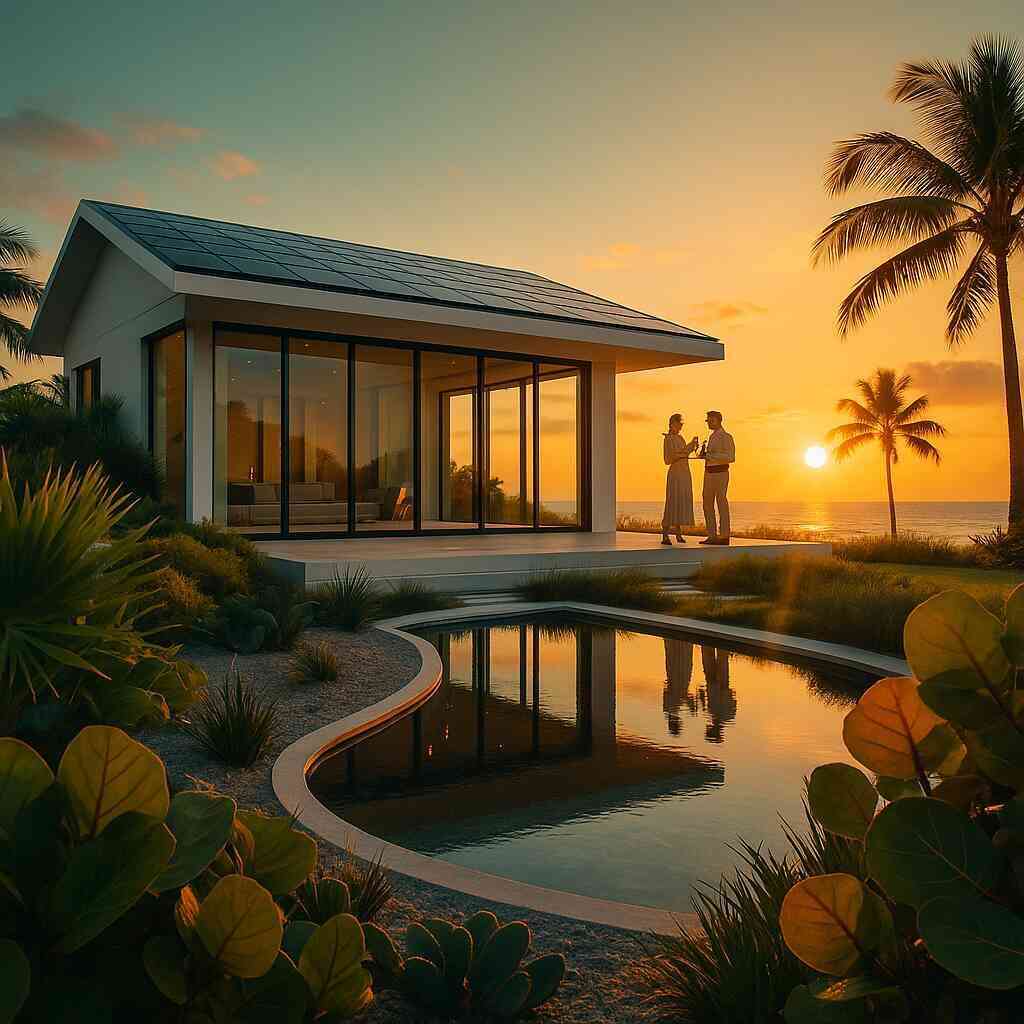
Net-zero custom homes are no longer experimental projects tucked into eco-villages. In 2026 they are defining the new standard for luxury building in Delray Beach. This guide walks through the principles, technologies, and planning steps behind a residence that produces as much clean energy as it consumes—while delivering the coastal elegance buyers expect.
1. What “Net-Zero” Means Today
A net-zero home balances annual energy use with on-site renewable generation. The target is confirmed through energy modeling, on-site commissioning, and often third-party certification. In practical terms owners gain:
• Predictable utility bills even as rates rise.
• Greater independence during grid outages.
• A measurable reduction in carbon footprint without lifestyle compromise.
2. Why Delray Beach Is an Ideal Testbed
Delray Beach enjoys roughly 230 sunny days each year, steady ocean breezes, and a local culture that prizes indoor-outdoor living. Those same factors can work against efficiency if the design is not tuned properly, yet when leveraged correctly they let a residence hit net-zero with fewer solar panels and smaller mechanical systems.
3. Passive Design: Getting the Bones Right
Before specifying any high-tech equipment, architects focus on site orientation and massing:
• Orient the long axis east-west so facades see minimal direct sun.
• Capture prevailing southeast breezes with operable clerestory windows and shaded courtyards.
• Size overhangs and trellises to block high summer sun while admitting low winter rays.
• Limit south-facing glass or use acreage for a solar pergola instead of exposed glazing.
These moves can cut cooling demand by 30–40 percent before a single photovoltaic cell is installed.
4. Building Envelope Strategies
Heat, humidity, and hurricanes create a brutal testing ground. A high-performance shell must address all three:
- Air-sealing: Continuous liquid flashings and gaskets around every penetration keep moist air out and conditioned air in.
- Insulation: Closed-cell spray foam or dense-pack cellulose behind hurricane-rated sheathing stops thermal transfer while adding racking strength.
- Windows and doors: Large impact-rated units with low-e coatings, thermally broken frames, and multi-point locks resist windborne debris and salt.
- Roofing: A cool-roof membrane over insulated nail-base panels reflects solar gain and provides a substrate for flush-mounted solar arrays.
5. Renewable Energy and Storage
Most Delray Beach net-zero homes rely on solar photovoltaic systems sized between 8 kW and 20 kW, depending on square footage and lifestyle. Key 2026 options include:
• Integrated solar tiles that blend with flat-cement or standing-seam profiles.
• High-efficiency panels over patio trellises, doubling as shade structures.
• Lithium-iron-phosphate batteries that store excess production for night use or grid outages.
• Smart inverters capable of islanding, so critical loads—refrigeration, medical equipment, EV chargers—remain powered when the grid is down.
Geothermal heat pumps can further slash energy use, but shallow saltwater tables make closed-loop horizontal systems more common than deep vertical wells along the coast.
6. Healthy Interior Materials and Systems
Airtight homes only succeed when indoor air quality is maintained. Forward-looking builders specify:
• Energy-recovery ventilators that introduce fresh, dehumidified air without major energy loss.
• Mold-resistant drywall, low-VOC paints, and plant-based sealants to reduce off-gassing.
• Natural light wells and circadian LED controls to support healthy sleep patterns.
7. Working With a Custom Builder
Net-zero performance hinges on coordination between architects, mechanical engineers, and trades—coordination best driven by a builder experienced in whole-home energy targets.
Typical project flow:
- Concept and energy model: 2–4 weeks.
- Schematic design, budgeting, permit set: 6–8 weeks.
- Permitting: 4–12 weeks depending on complexity and coastal reviews.
- Construction: 10–16 months, longer for estates with deep foundations or extensive hardscape.
- Commissioning and certification: about 2 weeks.
Look for teams who provide third-party blower-door testing, infrared scans, and renewable system monitoring portals you can check from a phone.
8. Budget and Financing
Costs vary with finishes, lot conditions, and square footage, yet several patterns hold in 2026:
• Hard costs: Expect a 5–10 percent premium over a code-built luxury home, largely recouped through lower operating expenses.
• Incentives: Federal tax credits still cover a percentage of solar and battery installations. Local utility rebates fluctuate; confirm during design.
• Green mortgages: Lenders often allow higher debt-to-income ratios when energy modeling proves low operating costs.
9. Future-Proofing for Code and Lifestyle Changes
Coastal building codes tighten almost yearly. Designing above minimums now prevents expensive retrofits later. Consider:
• Roofs engineered for heavier future panel loads.
• Conduit runs to potential EV charging points even if the family does not yet drive electric.
• Space in mechanical rooms for additional battery racks as technology improves.
10. Key Takeaways
• Net-zero luxury in Delray Beach blends smart siting, robust envelopes, and discreet renewables.
• Early energy modeling is crucial; waiting until construction begins limits options.
• A seasoned builder orchestrates the process, reducing risk and keeping aesthetics front and center.
• Budgets run slightly higher than standard builds but deliver tangible returns in resiliency, comfort, and long-term value.
By following these principles, homeowners can enjoy ocean views, clean indoor air, and carbon-free living—all under one sophisticated roof.
Ultimate 2026 Guide to Delray Beach Net Zero Custom Homes


Comments
Post a Comment