Delray Beach Net Zero Home Additions: A 2026 Planning Guide
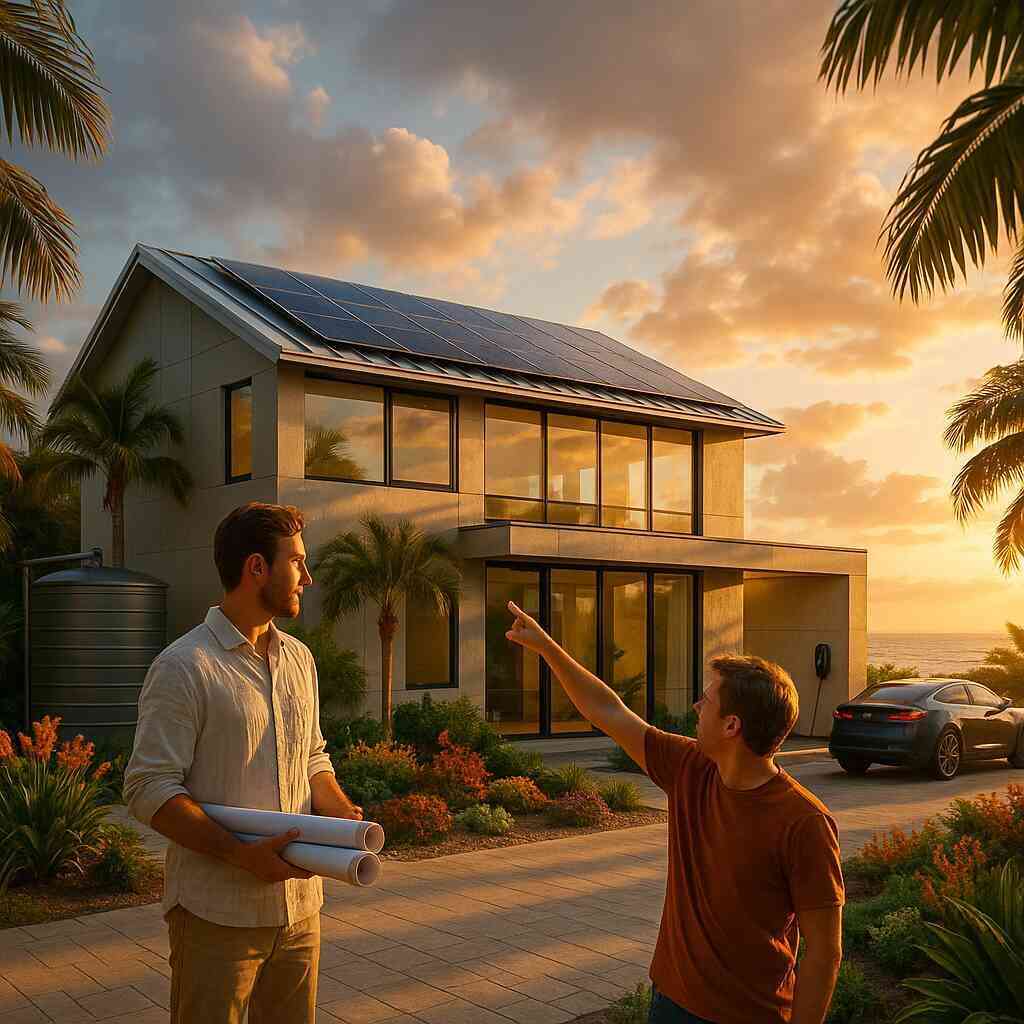
Delray Beach Net Zero Home Additions: A 2026 Planning Guide
Building a net zero home addition in Delray Beach means designing a space that produces as much energy as it consumes over the course of a year. In 2026, this goal is more achievable than ever, thanks to improved building materials, smarter HVAC systems, and updated local codes that actually reward low-carbon construction.
This overview walks through the core elements of planning, constructing, and commissioning a net zero addition in South Florida's coastal climate.
Why Net Zero Makes Sense in Delray Beach
Delray Beach homeowners face a specific set of challenges: salt air, high humidity, hurricane season, and rising utility costs. Net zero construction addresses all of these at once.
- Lower energy bills through airtight envelopes and on-site solar production
- Improved durability with moisture-resistant materials and advanced framing methods
- Higher resale value as buyers increasingly seek energy-independent homes
- Insurance benefits when hurricane-resistant design is incorporated from the start
Appraisers in competitive coastal markets are paying closer attention to energy performance. A well-documented net zero addition can meaningfully increase appraised value and appeal to a broader pool of buyers.
Building the High-Performance Shell
The building envelope is the foundation of any net zero strategy. In South Florida, that means managing heat, moisture, and wind simultaneously.
Advanced Framing
Traditional framing often wastes lumber and creates thermal bridges — spots where heat bypasses insulation through the structure itself. Advanced framing eliminates unnecessary studs, aligns structural loads more efficiently, and creates room for thicker insulation throughout the wall assembly.
For Delray Beach projects specifically, borate-treated lumber and stainless steel fasteners help address termite pressure and coastal corrosion.
Air Sealing and Vapor Management
Airtightness is tested using a blower door test, which measures how much air leaks through the building shell. A high-performance addition should target a very low air exchange rate.
Smart vapor retarders — materials that shift permeability based on humidity conditions — work well in Florida's mixed-humid climate. They allow walls to dry inward during dry periods while limiting moisture intrusion when outdoor humidity is high.
Windows and Glazing
Low-emissivity (low-e) window replacements are essential. They reduce solar heat gain without sacrificing natural light. Proper orientation and shading strategies, such as deep overhangs, further reduce cooling loads before the HVAC system even turns on.
Mechanical Systems That Support Net Zero Goals
Once the envelope is tight and well-insulated, the mechanical systems do far less work. That makes high-efficiency equipment even more cost-effective.
Heat Pump HVAC
Heat pump systems move heat rather than generate it, making them significantly more efficient than traditional air conditioning and resistance heating. Modern variable-speed heat pumps are well-suited to Florida's long cooling season.
Ducts should be located inside conditioned space whenever possible. Ducts running through unconditioned attics lose significant energy in South Florida's extreme summer heat.
Heat Pump Water Heating
Heat pump water heaters use the same principle as HVAC heat pumps and can cut water heating energy use dramatically compared to conventional electric resistance models. In Florida's climate, they also provide a modest dehumidification benefit.
Renewable Energy and Storage
Solar photovoltaic panels are the most common path to energy production in a net zero home. Proper roof orientation, minimal shading, and adequate panel area are all factored in during the design phase.
Battery storage is increasingly common, particularly in South Florida where grid outages during hurricane season are a real concern. A properly sized battery system keeps essential loads running when utility power is unavailable.
Documenting your system carefully matters. Renewable energy tax credits and utility rebate programs require accurate records of equipment, installation dates, and performance data.
The Role of a General Contractor in Net Zero Projects
Net zero construction requires tight coordination between architects, energy raters, mechanical engineers, and trades. A licensed general contractor manages that coordination and ensures quality at every stage.
Key responsibilities include:
- Scheduling blower door and infrared thermal testing at the right construction phases
- Verifying insulation coverage before drywall is installed
- Tracking low-carbon material selections and managing substitutions carefully
- Handling rebate paperwork and utility interconnection documentation
This level of project management is what separates a well-performing net zero addition from one that looks the part on paper but underdelivers in practice.
Practical Takeaways for 2026 Projects
If you are planning a home addition in Delray Beach this year, a few principles are worth keeping front of mind:
- Start with the envelope. No amount of solar panels compensates for a leaky, poorly insulated shell.
- Integrate energy modeling early. Modeling before construction begins allows design changes that cost far less than corrections after the fact.
- Choose durable, low-maintenance materials. Coastal conditions accelerate wear. Prioritize longevity over upfront savings.
- Work with experienced local professionals. South Florida's climate and building codes have specific requirements that a generalist may overlook.
Net zero home additions in Delray Beach represent one of the most forward-thinking investments a homeowner can make in 2026. The combination of reduced operating costs, improved comfort, and long-term property value makes the case compelling — and the technology to achieve it has never been more accessible.
Guide to Delray Beach Remodeling Net Zero Additions 2026


Comments
Post a Comment