Electrical Work Insights from Boynton Beach Remodeling Pros
Electrical Work Insights from Boynton Beach Remodeling Pros
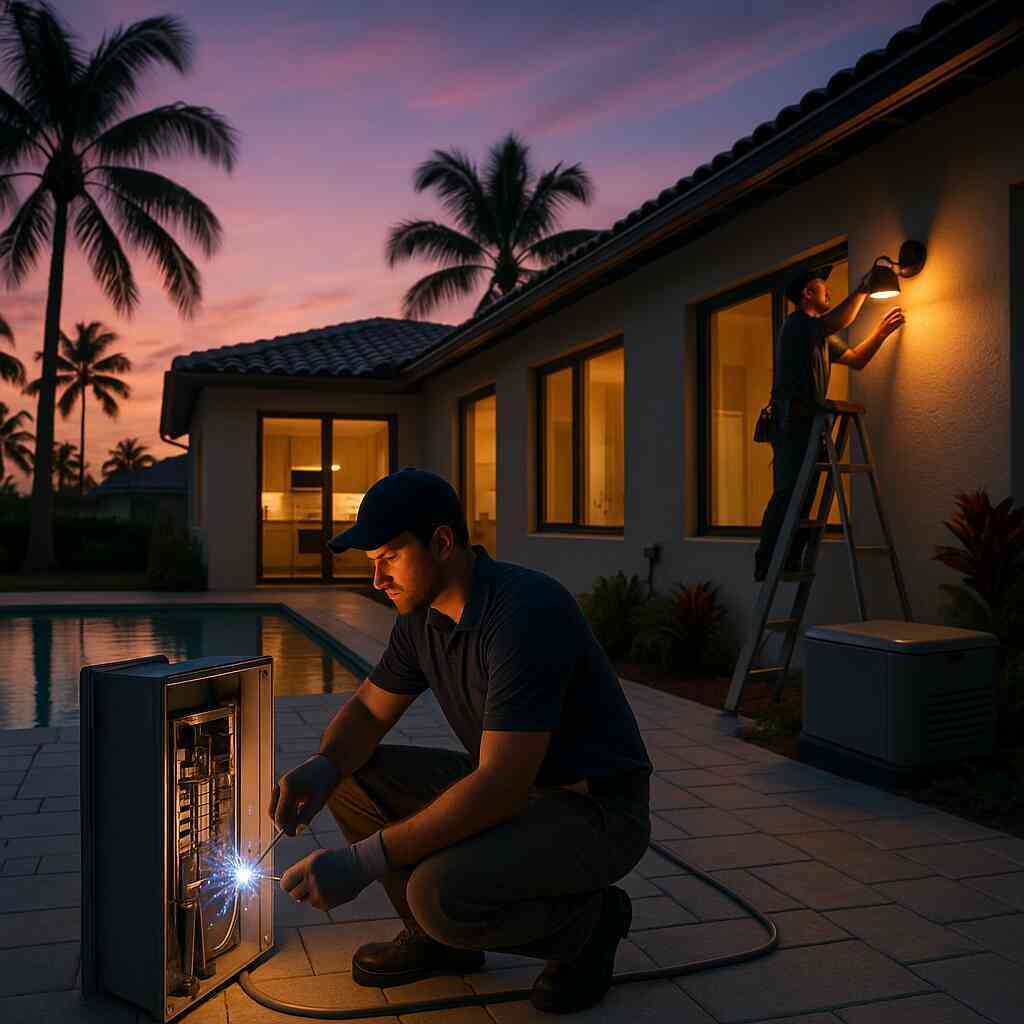
Electrical planning is one of the most critical — and most overlooked — parts of any home remodel. Boynton Beach remodelers with deep experience in South Florida construction consistently point to electrical strategy as the backbone of a successful renovation. This overview shares key lessons from that expertise.
Start with Power Goals, Not Paint Colors
Many homeowners jump straight to finishes and fixtures. Experienced remodelers take a different approach. Before selecting materials, the focus goes to amperage capacity, load paths, and circuit planning.
Starting with electrical strategy prevents costly tear-outs later. It also keeps inspections on schedule and avoids surprise budget overruns. A licensed general contractor coordinates these details early, aligning demolition, rough-ins, and trade schedules so nothing conflicts.
1. Panel Capacity Evaluation Comes First
Before demolition begins, a thorough load assessment is essential. This means reviewing every circuit — appliances, HVAC systems, lighting strings, and receptacle groups.
Infrared scans can reveal hot spots caused by overtaxed wiring. With accurate data, upgrade decisions become clearer and easier to justify. Inspectors also respond better to documented load maps than verbal estimates.
Key panel upgrade considerations:
- Some custom homes benefit from 400-amp service; others only need strategic sub-panels
- Relocating a main panel can free up valuable interior wall space
- Outdoor-rated cabinets resist the salt air common in coastal South Florida
- Smart breakers now monitor usage, detect arc faults, and send mobile alerts
Planning panel capacity during a remodel is far more efficient than revisiting it after walls are closed.
2. Coastal-Grade Wiring Is Not Optional Here
Standard residential wiring struggles in South Florida's humid, salt-heavy environment. Remodelers who work regularly in Boynton Beach specify materials designed for coastal conditions.
THHN conductors run through PVC conduit or corrosion-protected MC cable hold up far better than basic NM cable over time. Dielectric grease on terminations slows oxidation. Stainless staples prevent rust staining on framing.
Arc-fault breakers are now required in most living spaces under current code. Whole-home surge protection, combined with point-of-use suppressors, adds layered defense against Florida's frequent lightning activity. Proper bonding and grounding also help protective devices respond faster during surge events.
3. Plan for Smart Home Wiring During Rough-In
Automation and smart home systems depend on infrastructure that needs to be in place before drywall goes up. Cat6 cabling, speaker wire, and conduit stubs for future technology are all easier and cheaper to install during rough-in.
Leaving conduit stubs in walls costs very little during a remodel. Fishing wire after the fact costs significantly more — and creates visible disruption to finished surfaces.
Modern dimmer systems for LED drivers require neutral wires and proper load compatibility. Getting these details right during rough-in prevents flickering, buzzing, and premature bulb failure.
4. EV Charging and Renewable Energy Prep
In 2026, EV charging circuits have become a standard request in Boynton Beach remodels. A dedicated 50-amp circuit with proper conduit routing serves most home chargers well. Forward-thinking installations also include conduit to the roof for future solar wiring.
Trenchless boring techniques allow crews to run conduit beneath driveways, pavers, and landscaping without surface damage. This is especially useful for mid-project additions like gate motors or detached garage circuits.
5. Coordinate Trades to Avoid Conflicts
Electrical rough-in must be sequenced carefully around plumbing, HVAC, and framing. When trades work in silos, conflicts arise — a duct running through a planned switch location, or a drain pipe blocking a feeder route.
A general contractor who actively manages trade sequencing prevents these problems. Daily communication channels and clear milestone schedules keep every subcontractor accountable.
Practical Takeaways for Homeowners
If you are planning a remodel in the Boynton Beach area, these priorities are worth keeping in mind:
- Get a full load assessment before any demolition starts
- Specify coastal-rated materials from the beginning, not as an afterthought
- Rough in low-voltage and smart home wiring while walls are open
- Plan for EV and solar infrastructure even if installation comes later
- Choose a licensed general contractor who coordinates electrical with all other trades
Final Thoughts
Electrical work done right during a remodel supports everything else — lighting design, appliance performance, home automation, and long-term safety. The insights shared by experienced Boynton Beach remodelers reflect years of working in a demanding coastal environment where code compliance and material quality genuinely matter.
Taking electrical strategy seriously from day one leads to fewer surprises, smoother inspections, and a finished home that performs well for decades.
Top 10 Boynton Beach Remodelers Insights on Electrical Work


Comments
Post a Comment