Green Home Additions in West Palm Beach: What Sets Them Apart
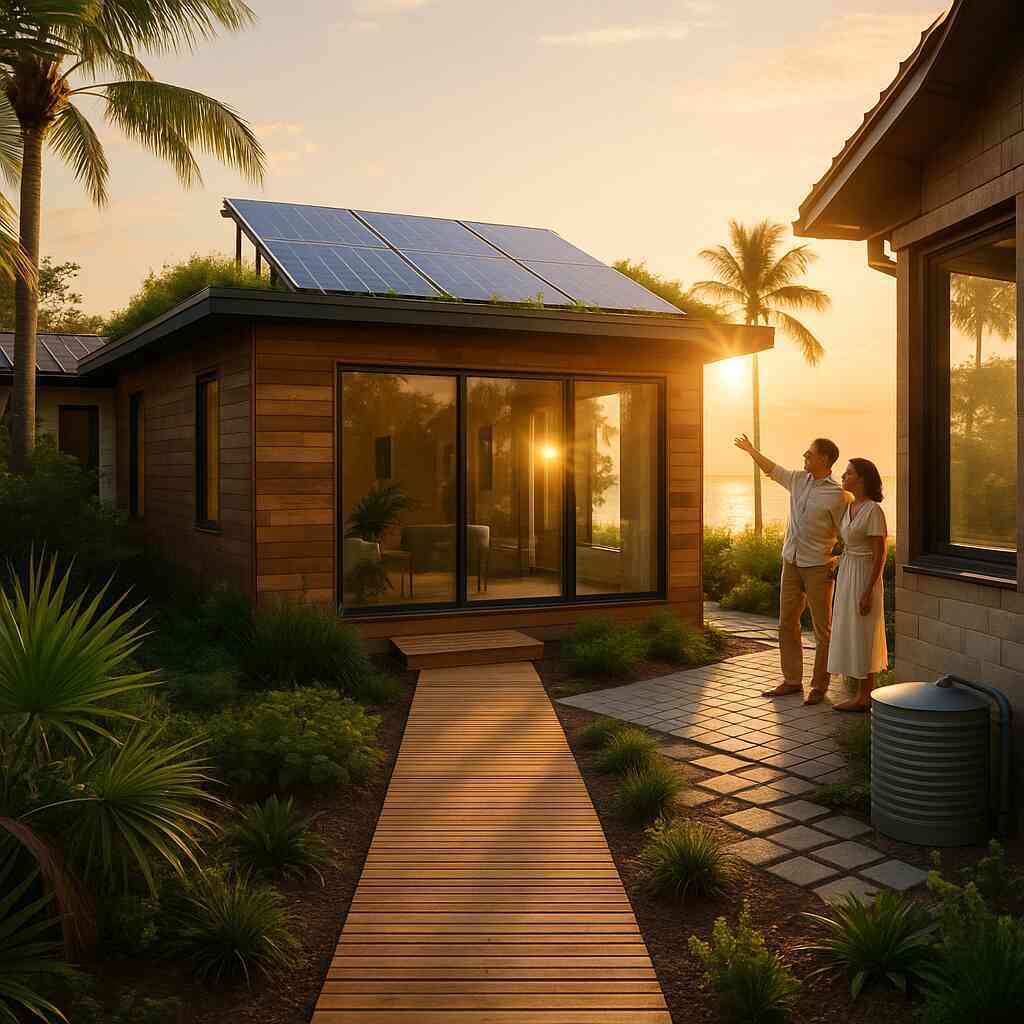
Green Home Additions in West Palm Beach: What Sets Them Apart
Green home additions in West Palm Beach are reshaping what luxury renovation means for Florida homeowners. Rather than choosing between elegance and environmental responsibility, today's homeowners are discovering that thoughtful, eco-forward construction delivers both — along with lower utility bills, stronger resale value, and homes built to handle whatever coastal Florida throws at them.
This overview breaks down the key strategies, design principles, and regional insights that make West Palm Beach one of the most progressive markets for sustainable home expansion in the Southeast.
Why Sustainable Additions Are Gaining Ground in Palm Beach County
The modern homeowner increasingly sees sustainability as a measure of quality, not a compromise. In Palm Beach County, that shift is visible in what clients are requesting before a single permit is pulled.
Common priorities now include:
- Renewable energy readiness — pre-wired conduit runs, load center upgrades, and battery storage closets
- Biophilic design elements — reclaimed materials, natural light optimization, and connection to outdoor environments
- Hurricane-rated resilience — uplift-rated roof decks, termite-resistant framing, and raised finished-floor elevations
When these elements come together, the result is not just a room addition. It is a thoughtful extension of the home that performs better, ages better, and aligns with the values of the people living in it.
How Regional Codes Shape Smarter Green Design
Palm Beach County operates within some of Florida's most detailed wind, energy, and flood-mitigation requirements. For renovation professionals who understand these codes deeply, they are not obstacles — they are design guides.
For example:
- Heat-reflective roofing must meet specific solar-reflectance index requirements, which also happens to improve conditions for rooftop photovoltaic systems.
- Low-flow plumbing fixtures satisfy water-use targets while positioning homes for potential net-zero certification down the road.
- Flood-map compliance drives raised floor heights that also reduce insurance premiums in vulnerable zones.
Fluency in these regulations means faster permitting, fewer redesigns, and additions that feel intentional rather than reactive. Homeowners benefit directly from that expertise through both cost savings and long-term performance.
Building for Net-Zero: Practical Strategies That Work in Florida
Solar-Ready Construction From Day One
One of the smartest investments a homeowner can make during an addition is preparing the structure for solar energy — even if panels are not part of the current scope. Installing conduit chases, designating inverter alcoves, and sizing the electrical panel appropriately costs relatively little upfront and eliminates expensive retrofitting later.
Roof angle and shading studies should also inform where dormers and skylights are placed. These decisions affect both natural light quality inside and the future output of any photovoltaic array on the roof.
Passive Cooling as a Foundation
Florida's climate makes passive cooling strategies more than a nice-to-have. Deep roof overhangs, operable clerestory windows, and ventilated rain-screen cladding work together to move hot air out before mechanical systems even engage.
Computer-based thermal simulations allow designers to calibrate these elements based on each property's specific sun path and wind patterns. The practical result: shorter air-conditioning runtimes, reduced equipment wear, and noticeably more comfortable interiors — without adding to the energy load.
Daylighting Done Right
Natural light improves mood, reduces lighting energy use, and adds perceived square footage to any room. The challenge in a hot climate is managing solar heat gain alongside light quality.
Spectrally selective glazing, light shelves, and thoughtfully angled ceiling planes allow soft, diffused daylight to reach deep into an addition without turning it into a greenhouse. Bedrooms, home offices, and living areas all benefit from this approach — practically and aesthetically.
What This Means for Homeowners Considering an Addition
If you are planning a home addition in West Palm Beach or anywhere along the Palm Beach County coast, the sustainable path and the smart investment path are increasingly the same one.
A few things worth keeping in mind as you plan:
- Think beyond the current project. Decisions made now — about electrical capacity, roof structure, window placement — affect your options for years to come.
- Understand local code as a starting point, not a ceiling. Meeting the minimum is rarely the goal for a well-designed addition.
- Material choices matter over time. Reclaimed wood, insulated concrete forms, and impact-rated glass all contribute to a home that holds its value and its integrity under real Florida conditions.
Green home additions in 2026 are not about adding solar panels to a conventional structure. They are about building smarter from the foundation up — with materials, systems, and design decisions that work together as a cohesive whole.
That is the standard that West Palm Beach renovation projects are increasingly being held to, and it is raising the bar for what a home addition can truly accomplish.
How West Palm Beach Renovations Elevate Green Home Additions


Comments
Post a Comment