Hurricane-Resistant Design Tactics for Palm Beach Homes
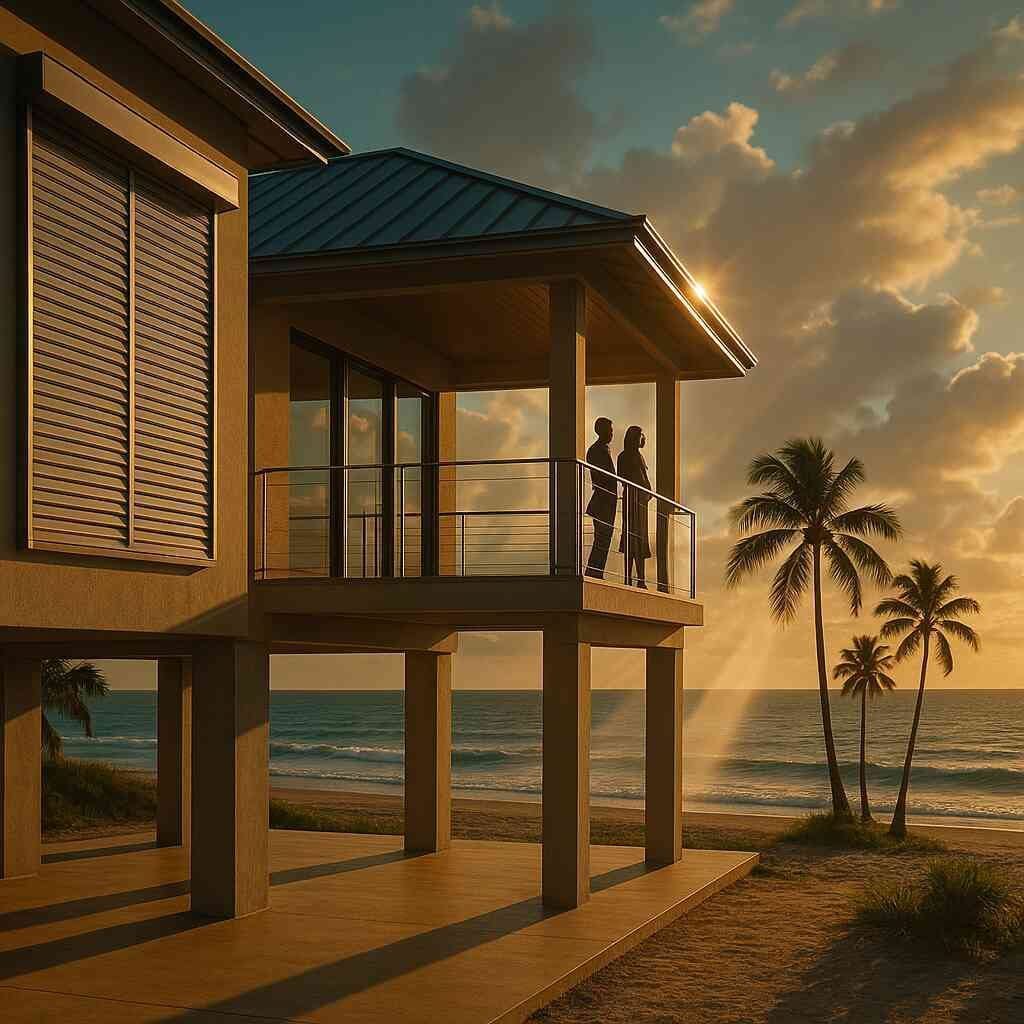
Building Smarter: A 2026 Guide to Hurricane-Safe Palm Beach Homes
Palm Beach homeowners do not wait for the first tropical update to think about safety. Stronger hurricanes and evolving building codes make wind-rated design a core feature of coastal living. This overview explains how experienced builders such as RENOVA weave structural science, aesthetics, and efficiency into homes that feel open every day yet close up like a vault when storms arrive.
Why Resilience Is Now a Lifestyle Choice
Hurricane anxiety used to surface only during storm season. Today it shapes year-round design discussions, from the size of a great room slider to the color of a standing-seam roof panel. Residents want wide Atlantic views, but they also want to know the assembly behind that view has been tested against 150-mile-per-hour gusts. A well-designed shell reduces stress for adults, teaches preparedness to children, and strengthens community bonds when neighbors share tips on shutters, evacuation routes, and generator maintenance.
Five Core Structural Tactics
Engineered details matter more than decorative ones once wind speeds climb. The following elements pull the greatest weight in a Palm Beach resilience plan:
- Impact-rated glazing – Laminated glass, heavy-duty frames, and specialized anchoring prevent breach when debris strikes. No heavy plywood to store, no last-minute scramble.
- Continuous load path – Stainless steel straps, clips, and anchor bolts tie roof, walls, and foundation into one unit so uplift forces travel safely to ground.
- Concrete tie beams and reinforced block – Added steel in the upper wall course locks exterior walls together, lowering the risk of separation under lateral pressure.
- Wind-rated doors and garage systems – Large openings receive the most suction; insulated metal panels, upgraded tracks, and redundant locking hardware keep them secure.
- Secondary water barrier – Peel-and-stick membranes under roof sheathing protect ceilings even if shingles or metal panels take damage.
Each tactic on its own improves safety. Combined under a single specification package, they create a margin of comfort that far exceeds minimum code.
Engineering Begins With Wind Load Calculations
Every site in Palm Beach County carries a design wind speed value measured in three-second gusts. Licensed general contractors start with that number, then model roof shape, wall height, and terrain to predict local pressure zones. Software pinpoints corners and eave edges where forces spike. Crews answer with closer nail spacing, thicker sheathing, or additional blocking exactly where it is needed—no extra weight where it is not. Verified torque readings and photographic logs stay on file for future insurance or resale questions.
Elevated and Flood-Smart Foundations
Wind is not the only threat. Rising storm surge maps now require many lots to sit higher than previous generations. RENOVA often combines helical piles with concrete grade beams, lifting the living floor above projected flood levels while limiting vibration during installation. Open lattice or break-away wall designs allow water to pass under the structure without building pressure against the main frame. Proper grading, back-flow valves, and site-specific drainage keep ground water from lingering once the skies clear.
Energy Efficiency That Doubles as Protection
The latest state energy amendments push builders to lower heat gain and carbon footprint, yet the same components can improve storm survival:
- Insulated Concrete Forms (ICFs) supply R-values above 20 and withstand debris impact better than standard block.
- Reflective metal roofing reduces attic temperatures and also carries high uplift ratings when attached with continuous clips and screws at calculated intervals.
- High-performance coatings on impact glass block UV rays while the laminated interlayer stays bonded under wind pressure.
- Spray-foam attic encapsulation limits air leakage and adheres roof decking to rafters for extra rigidity.
By designing for efficiency and strength at once, owners avoid redundant materials and enjoy lower utility bills in every non-storm month.
The RENOVA Integrated Approach
Many firms aim for basic code compliance. RENOVA’s construction management model starts earlier and tracks further. Architects, structural engineers, and procurement specialists meet at concept stage to select Miami-Dade approved products before plans are finalized. Long-lead items—such as custom impact window packages—enter the queue first so supply hiccups caused by tropical activity do not stall progress.
On site, supervisors coordinate framing, mechanical trades, and inspections with digital dashboards visible to clients from any phone or tablet. A missed strap or under-driven nail shows up immediately, not after drywall. This transparency turns building science into daily peace of mind.
Documentation: Your Hidden Layer of Protection
Insurance adjusters and buyers both value proof. RENOVA teams photograph every anchor bolt, upload torque values, and archive product approval numbers. Should a storm ever test the house, owners can submit evidence of compliance within minutes. The same package often earns discounts on wind-mitigation premiums, offsetting a portion of the initial upgrade cost.
Planning Tips for Homeowners Starting a 2026 Project
- Order design wind speed verification early. A professional letter saves redesign time later.
- Insist on Miami-Dade or Florida product approvals for windows, doors, roofing, and underlayment—not just a verbal promise.
- Evaluate floor elevation against the latest county maps, even if your lot was considered safe five years ago.
- Budget for backup power. A whole-home generator or solar-plus-storage system keeps the property livable when public utilities are out.
- Ask for a digital inspection log so you can confirm hidden connections long after walls are finished.
Final Thoughts
Hurricane resilience is no longer an afterthought bolted onto an otherwise finished plan. It defines spatial layout, material selection, and construction sequencing from the first sketch. By coupling rigorous engineering with coastal style and energy intelligence, builders such as RENOVA deliver Palm Beach homes that invite sea breezes on calm days and stand firm when the forecasts turn urgent. For homeowners, the reward is daily comfort backed by measurable security—a blend that represents the new standard for luxury living on Florida’s Atlantic edge.
Best RENOVA Strategies For Hurricane Safe Palm Beach Homes


Comments
Post a Comment