Manalapan Hurricane Walls: Key Insights from RENOVA Experts
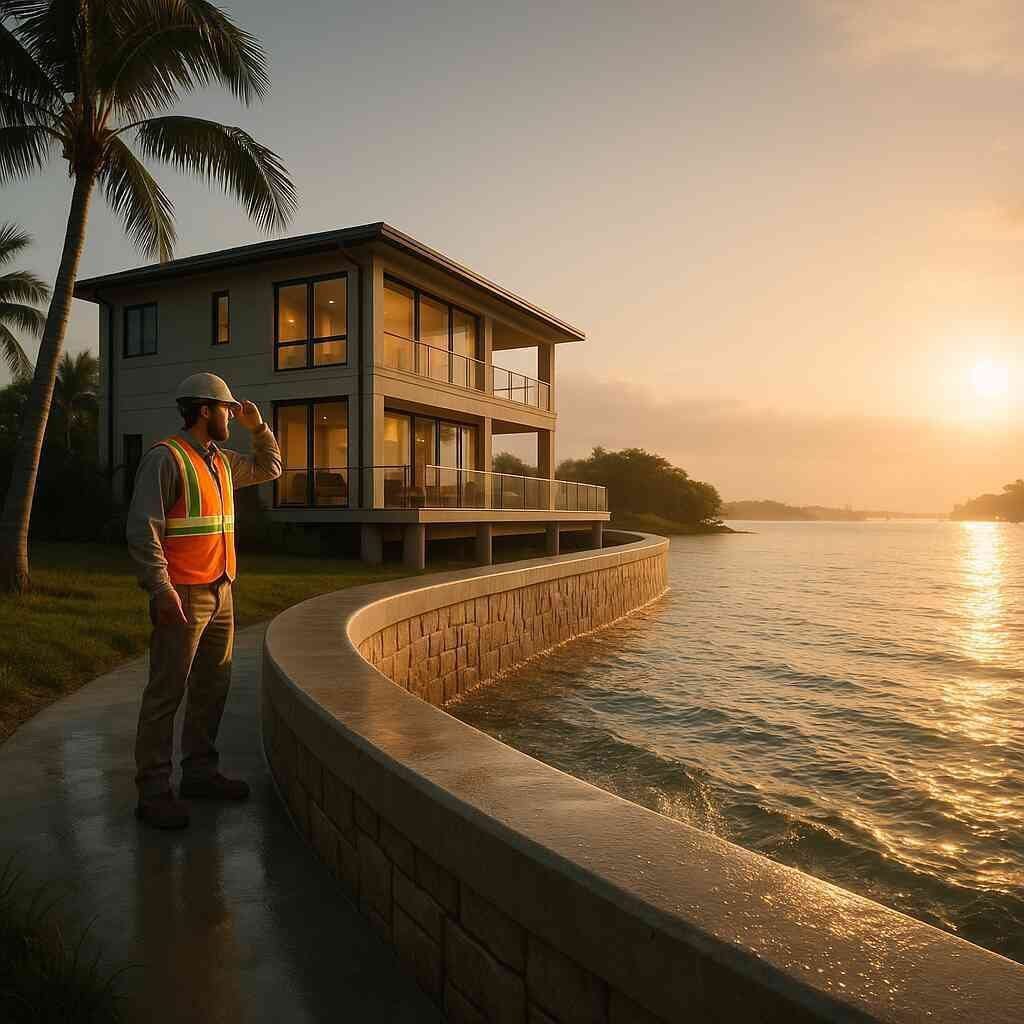
Manalapan Hurricane Walls: Key Insights from RENOVA Experts
Building hurricane-resilient walls along South Florida's coastline requires more than thick concrete and good intentions. RENOVA's approach to Manalapan hurricane walls combines engineering precision, coastal science, and hands-on construction expertise to deliver barriers that genuinely perform when storms arrive.
Why Hurricane Walls Matter More Than Ever in South Florida
South Florida's geography makes it uniquely vulnerable. The land sits low and flat, and warm Gulf Stream waters fuel powerful storms throughout the season. Storm surge — the wall of ocean water pushed inland by hurricane-force winds — is often more destructive than wind alone.
In communities like Manalapan, where luxury properties sit directly on the waterfront, the stakes are especially high. A well-designed hurricane wall protects foundations, interiors, landscaping, and long-term property value. A poorly designed one creates a false sense of security.
1. Start with Site-Specific Data, Not Generic Specs
Every coastal property has its own micro-environment. Before designing any barrier, RENOVA engineers analyze wind patterns, wave behavior, tidal cycles, and seabed conditions. Micro-currents around docks and mangrove edges affect how surge loads behave in ways that standard specs cannot anticipate.
That data-first approach shapes barrier geometry to deflect force rather than simply absorb it — reducing material needs and improving long-term performance.
2. High-Performance Concrete Mixes Exceed Code Minimums
Building to minimum code is not the same as building to last. RENOVA specifies concrete mix designs that exceed Palm Beach County requirements by a meaningful margin. Air pockets are eliminated through proper vibration protocols. Tie rods lock panels into continuous load paths from the wall cap down to the soil.
Every pour undergoes slump, temperature, and cylinder testing — witnessed by third-party inspectors. That documentation becomes valuable evidence for insurance underwriting and resale.
3. Deep Pin Piles Counter Unstable Soils
Where the seabed transitions from coral to silt, shallow footings lose grip during surge drawdown. RENOVA uses deep pin piles drilled to limestone refusal, anchoring walls well below scouring depth. Multiple pile layers share uplift loads, eliminating single points of failure.
This matters especially when waves recede rapidly — a force that can dislodge walls just as easily as incoming surge.
4. Vibration Management Protects Neighboring Properties
Pile driving creates ground vibration that can affect adjacent pools, patios, and interior finishes. RENOVA stages heavy operations during low-occupancy windows and monitors vibration levels continuously. This protects neighboring properties and maintains good community relationships — which also matters when navigating future permits.
5. Integrate Hurricane-Proofing Across the Entire Envelope
A seawall alone is not enough. True storm resilience means connecting floors, walls, and roofing into a unified system. Impact-rated windows and doors, elevated slabs, and surge-tested foundations all work together. When these elements are coordinated from the design phase, the result is far stronger than components installed independently.
6. Align with Coastal Code from Day One
Permitting delays often come from designs that are revised mid-review to meet coastal requirements. Preloading plans with code-compliant features — impact fenestration, proper setbacks, flood-zone elevations — accelerates municipal approval. Getting ahead of code requirements is one of the most practical ways to reduce project timelines.
7. Real-Time Construction Management Keeps Quality Consistent
Hurricane-resistant construction demands continuous oversight. Project managers tracking wind-load calculations, concrete break strengths, and weather windows in real time can make schedule adjustments before quality is compromised. Engineers who walk sites weekly and discuss adjustments directly with field crews prevent small issues from becoming expensive fixes.
8. Coordinate Interior and Exterior Resilience Plans Together
High-end interiors can be damaged by surge that seeps beneath an otherwise solid wall. Coordinating seawall design with interior finish selections — flooring materials, base heights, drainage paths — ensures that even partial surge infiltration causes minimal damage. Treating interior and exterior resilience as one integrated plan is more effective than addressing each separately.
9. Document Everything for Insurance and Resale Value
Detailed records of materials, testing results, inspection reports, and engineering sign-offs directly support homeowner insurance applications and future property sales. Buyers in hurricane-prone areas increasingly ask for this documentation. Having it ready demonstrates the quality of construction and reduces underwriting friction.
10. Build for the Storm Season, Not Just the Code Cycle
Building codes update over years. Hurricanes arrive every season. Designing to the leading edge of current best practices — rather than the trailing edge of what last year's code requires — means a wall built today still performs well a decade from now.
Final Thoughts
Manalapan hurricane walls represent some of the most demanding coastal construction work in the region. Getting them right requires combining site analysis, engineering discipline, quality materials, and integrated project management. This overview reflects the kind of thinking that separates walls that hold from walls that simply look like they will.
Top 10 RENOVA Insights on Manalapan Hurricane Walls


Comments
Post a Comment