Net Zero Home Renovations in Boca Raton: Complete 2026 Guide
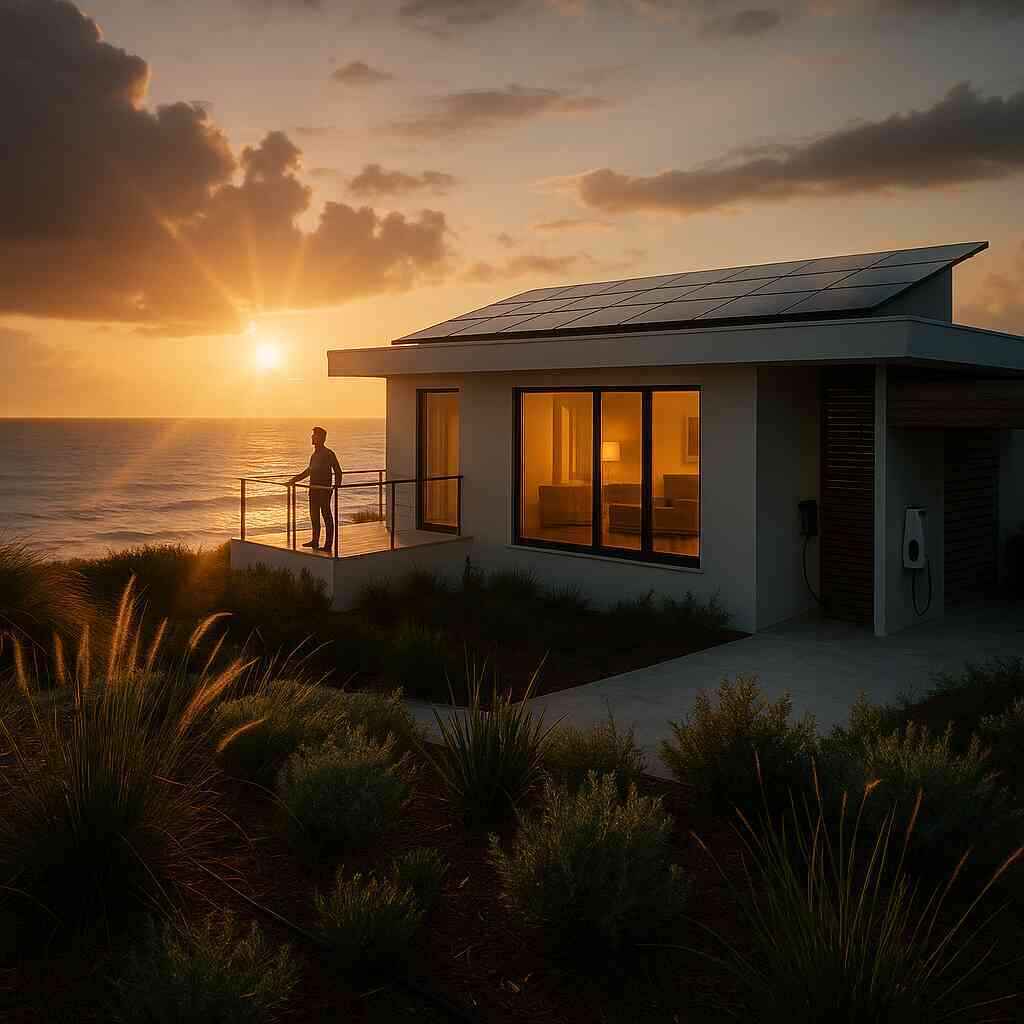
Build a Net-Zero Home That Thrives in Boca Raton
South Florida’s sunshine, salty air, and seasonal storms create one of the toughest testing grounds for residential construction. A properly planned net-zero renovation turns those same conditions into an advantage—producing clean power, lowering bills, and shielding occupants from heat, humidity, and outages. This guide explains the core principles a Boca Raton homeowner should understand before committing to an energy-positive remodel or new build.
Why Energy-Efficient Remodeling Equals Resilience
Energy upgrades are often marketed as money savers, but in 2026 they play an even larger role: safeguarding health and property during extreme weather. An airtight building envelope keeps humid air and wind-driven rain outside, reducing the chance of mold growth when the grid is down. Thick continuous insulation moderates indoor temperatures for hours, even days, without mechanical cooling. Lower peak demand also eases stress on the regional grid during heat waves, which benefits the wider community.
Key benefits unique to Boca Raton:
- Humidity control: Vapor-open but air-tight construction prevents moisture accumulation inside walls.
- Storm durability: Continuous sheathing and minimized penetrations add racking strength against hurricane winds.
- Salt-air longevity: Corrosion-resistant fasteners and low-carbon concrete mixes extend structural life by decades.
From Low-Carbon Upgrades to True Net Zero
Ten years ago, a “green” project often meant swapping incandescent bulbs for LEDs. Today, the target is much higher: a home that generates at least as much energy as it uses on an annual basis. Achieving that goal demands an integrated design process where architects, engineers, and solar professionals align every decision—orientation, glazing, insulation levels, mechanical systems, and renewable generation—around a single performance budget.
Core steps in the transition:
- Reduce demand first – Design for solar heat gain control, daylight harvesting, and efficient appliances.
- Right-size mechanicals – Smaller loads allow smaller HVAC equipment, saving up-front cost and energy.
- Produce clean power on-site – Roof-mounted or carport photovoltaics cover the remaining demand.
- Verify with monitoring – Circuit-level energy metering validates that modeled performance matches reality.
Local Incentives You May Be Overlooking
Florida’s incentive landscape can feel like alphabet soup, yet it can trim a sizable portion of project cost when used strategically.
- Net metering: Excess solar production flows back to the grid at full retail value, accelerating payback.
- Property Assessed Clean Energy (PACE): Efficiency and renewable costs roll into the tax bill, removing the need for large cash outlays.
- Utility demand-side programs: Rebates for advanced heat pump water heaters, smart thermostats, or high-R insulation.
- Federal tax credits: Up to thirty percent of installed solar, battery storage, and geothermal costs through the Investment Tax Credit.
Coordinating paperwork with permitting can feel daunting. Many successful projects appoint the renovation contractor as the incentive shepherd so no filing deadline slips by.
Climate-Crafted Architecture for Passive Powerhouses
Site Orientation and Solar-Ready Rooflines
Before sketching walls, an experienced designer studies sun angles, prevailing breezes, and neighboring vegetation. In Boca Raton, true south roof planes capture winter sunlight when electrical demand for cooling is lower, while generous overhangs block high summer rays. Aligning living spaces with cross-ventilation paths reduces cooling loads without mechanical assistance. Even small rotations on a suburban lot can add hundreds of kilowatt-hours of solar harvest each year.
Roof geometry matters just as much. A low-slope surface tilted five to fifteen degrees sheds rain yet remains visually subtle from the street. Gable ends positioned perpendicular to prevailing winds reduce uplift during tropical storms. Rafter spacing that anticipates solar rail attachment eliminates the need to drill new penetrations later, preserving the water barrier.
Passive House Principles Adapted to Humidity
Classic Passive House methodology emerged in cold climates, but its core ideas translate well when adjusted for coastal heat and moisture.
- Continuous air control layer: Sealed sheathing and tape stop uncontrolled infiltration, a primary path for moisture.
- Vapor-open assemblies: Exterior insulation boards that allow drying prevent condensation inside walls.
- Heat Recovery Ventilation (HRV) with dehumidification: Advanced ERV units wring moisture from incoming air and reclaim both sensible and latent energy.
- Dynamic shading: Exterior louvers or motorized screens tame morning and afternoon sun without blocking views.
When implemented together, these measures can slash mechanical cooling needs by fifty percent or more, making the step to net zero far easier.
High-Performance Systems Inside the Envelope
Even the best envelope needs efficient hardware:
- Variable-speed heat pumps cool, dehumidify, and, on the rare cold night, heat efficiently down to 20 °F.
- Heat pump water heaters turn garage air into free hot water and mild space cooling.
- Dedicated dehumidifiers maintain 50-55 % relative humidity, enhancing comfort at higher thermostat settings.
- Induction cooktops eliminate combustion by-products and lower indoor heat gain.
All major loads should connect to a smart electrical panel that tracks real-time energy use, making it easy to spot anomalies and optimize schedules.
Materials That Thrive Under Salt and Sun
Longevity is sustainability. Key material choices include:
- Fiber-cement siding: Resistant to rot, termites, and salt spray.
- Stainless or hot-dip-galvanized fasteners: Prevent rust streaks and structural weakening.
- Low-carbon concrete with supplementary cementitious materials: Cuts embodied carbon while improving durability.
- High-reflectance metal roofing: Lowers attic temps and lasts decades longer than asphalt shingles.
Getting Started: A Practical Roadmap
- Energy audit or modeling session – Quantify existing loads and set a realistic performance target.
- Integrated design workshop – Bring architect, builder, HVAC engineer, and solar consultant to the same table.
- Budget with incentives in mind – Line items should note potential rebates so true net cost is clear.
- Phase construction logically – Prioritize envelope work before installing mechanicals or finishes.
- Commission and monitor – Verify air-tightness with a blower-door test and track energy for at least a full year.
Final Thoughts
Net-zero homes are no longer experimental showcases. In Boca Raton’s demanding climate, they represent sensible risk management, healthier living, and a hedge against rising energy costs. By combining passive design, resilient materials, efficient systems, and well-planned solar power, a home can protect its occupants while giving back to the grid. With a structured approach and informed professional guidance, the path to carbon-neutral living is both attainable and rewarding in 2026 and beyond.
Boca Raton Renovation Contractor Reveals Net Zero Home Guide


Comments
Post a Comment