Smart Home Additions in West Palm Beach: Planning Guide
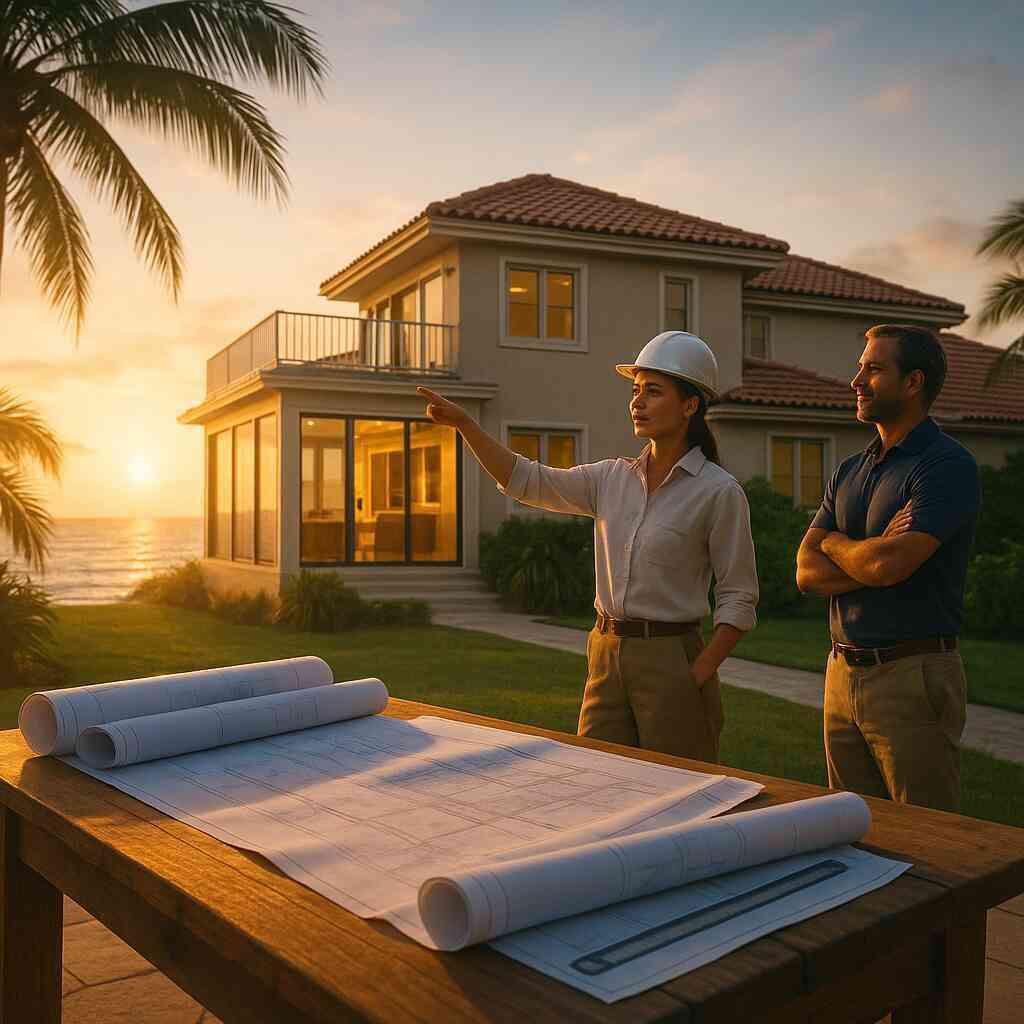
Expanding a Home the Right Way
A well-executed addition does more than boost square footage. It reshapes daily life, respects local regulations, and lifts resale value across Palm Beach County. This guide outlines the key decisions a homeowner must make when considering a new wing, a bumped-out kitchen, or a primary-suite retreat in West Palm Beach.
Begin With Lifestyle Goals
Before sketches or budgets, outline how the household actually lives:
- Crowded zones – Identify rooms that feel tight at specific times of day.
- Future needs – Consider aging parents, growing children, or remote work trends.
- Outdoor connection – Florida’s climate rewards designs that blur indoor-outdoor lines.
Clarifying the “why” helps every later choice feel logical rather than impulsive.
Check Zoning and Lot Constraints Early
Palm Beach County maintains strict setback, height, and lot-coverage rules, many of which changed after recent hurricane seasons. Pull the most current zoning map and confirm:
- Maximum building area as a percentage of lot size
- Required distance from property lines and easements
- Height limits that protect neighborhood scale
Catching a conflict on paper is far cheaper than revising plans after a permit rejection.
Build a Collaborative Team
The most efficient path pairs an architect or designer with a local general contractor from day one. Together they can:
- Validate that the concept complies with code.
- Produce a realistic cost range before emotions attach to a layout.
- Sequence engineering, permit submission, and material lead times.
Weekly check-ins and a shared digital dashboard keep surprises rare and transparent.
Budget With Three Numbers, Not One
A single “all-in” price hides important context. Seasoned builders break the figure into:
- Base construction – Foundations, framing, roofing, mechanical systems.
- Finishes and fixtures – Cabinets, tile, lighting, hardware.
- Contingency – Typically 10 %–15 % for unforeseen site or supply-chain issues.
Seeing each slice makes it easier to swap a luxury finish for extra storage or lightning-fast Wi-Fi wiring without losing sight of the grand total.
Design Choices That Feel Native, Not Tacked-On
Rooflines and Façade Elements
Study the pitch, eave depth, and material palette of the existing structure. Extending those cues into the new work keeps curb appeal intact. Even a modern glass sunroom can look cohesive when echoing the home’s trim color and window proportions.
Window Placement for Light and Storm Safety
Florida additions must balance daylight with impact resistance. Consider:
- Clerestory windows high on the wall for privacy and sky views.
- Multi-panel sliding doors that meet hurricane ratings yet slide away to merge with a patio.
- Deep roof overhangs that shade glass, cutting heat gain and electric bills.
Mechanical Integration
Undersized HVAC is a common oversight. An energy model can show whether the existing air handler can stretch or a dedicated mini-split zone is wiser. Running ducts in new soffits during framing avoids visible chases later.
Popular Addition Types in 2026
1. Primary-Suite Retreat
Homeowners increasingly trade formal living rooms for a spa-like suite that includes:
- Separate vestibule for acoustic privacy
- Large shower with zero-entry floor for aging in place
- Pocket office or reading nook opening to a small balcony
2. Kitchen Bump-Out With Scullery
An eight-foot rear extension can transform a tight galley into an entertainer’s hub. Common features:
- 10-foot island that seats six
- Back-of-house prep kitchen to hide dishes during parties
- Accordion windows connecting the counter to an outdoor bar
3. Multi-Purpose Flex Room
Instead of predicting a single use, many families request a 200-square-foot blank canvas wired for both data and plumbing. Today it may host workouts; next year, it can morph into a guest suite by adding a Murphy bed and small bath.
Permit Milestones to Track
- Site plan approval – Confirms setbacks and impervious area.
- Structural review – Verifies wind-load calculations and anchoring details.
- MEP review – Mechanical, electrical, and plumbing drawings checked for code compliance.
- Final inspection – Certificate of completion releases the space for occupancy.
Building officials favor clear, complete documentation. Submitting a tidy packet often trims weeks off the timeline.
Timeline Snapshot for a Mid-Size Addition
- Concept design: 3–4 weeks
- Permit drawings and engineering: 4–6 weeks
- County review and revisions: 6–10 weeks
- Construction: 4–6 months, depending on finishes and weather
Starting the design phase at least eight months before a desired move-in date keeps stress in check.
Cost Factors Unique to West Palm Beach
- Soil conditions – Certain coastal lots require deeper piles or stem walls.
- Impact glass premiums – Required within designated wind zones; prices fluctuate with supply.
- Insurance credits – Proper clips, straps, and roof decking upgrades can lower annual premiums, offsetting part of the build cost.
Sustainability Wins That Also Save Money
- Spray-foam insulation under the roof deck reduces attic temps.
- Solar-ready conduit simplifies future panel installation.
- High-SEER heat pumps paired with smart thermostats yield year-round efficiency.
Final Thoughts
A home addition should feel like it was always there—only better. Align dreams with zoning facts, assemble the right professionals early, and keep communication flowing. The reward is a tailored space that elevates daily life today and delivers lasting value whenever the property eventually hits the market.
Guide to Home Additions with West Palm Beach Renovations


Comments
Post a Comment