Top 5 Energy Upgrades for Boynton Beach Home Renovations
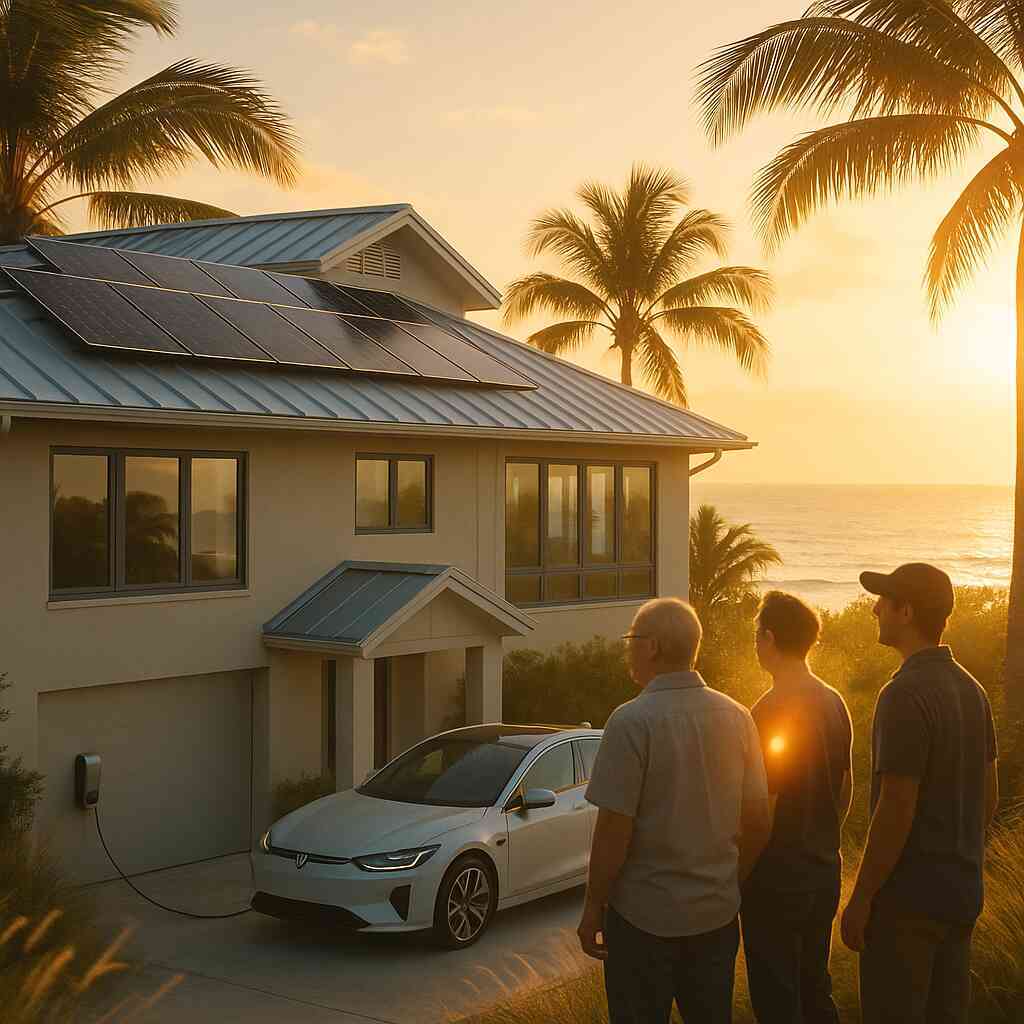
Energy-Smart Remodeling in Boynton Beach
Boynton Beach renovations increasingly focus on energy upgrades that tame utility bills, boost comfort, and prepare homes for coastal weather. This guide explains five high-impact additions local contractors rely on, why they work in a humid marine climate, and what to consider before scheduling work.
1. Solar Power That Fits a Coastal Roof
Key points
- Shade mapping and structural checks ensure panels withstand tropical winds.
- Corrosion-resistant aluminum racking counters salt air.
- Net-metering agreements let excess generation spin your meter backward.
A typical photovoltaic array offsets daytime cooling loads, but performance hinges on first trimming demand. Homeowners who pair solar with better insulation or new HVAC often need fewer panels, reducing upfront cost while speeding payback.
Photovoltaic roofing tiles
Integrated solar shingles replace traditional roof coverings. They preserve curb appeal and reduce roof penetrations, though they cost more per watt and require an installer skilled in both roofing and electrical trades.
2. Hurricane-Rated Impact Windows
Why they matter
- Laminated glass resists debris during storms, protecting the building envelope.
- Multi-layer coatings block up to 99 % of UV rays, slowing fabric fade.
- Tight seals cut air leakage, the hidden culprit behind soaring cooling costs.
When selecting units, review solar heat-gain coefficient (SHGC) as closely as wind rating. In South Florida, a lower SHGC keeps interiors cooler without darkening the room. Professional installation using stainless fasteners and waterproof flashing prevents salt-induced corrosion and leaks.
3. Cool Roofing Systems
Features
- Light-colored membranes or reflective shingles bounce solar radiation.
- High emissivity coating quickly releases stored heat after sundown.
- Proper attic ventilation complements reflective surfaces, reducing trapped moisture.
A cool roof can drop attic temperatures by 20–25 °F, easing the burden on air conditioners. Reinforcing the deck to meet current uplift codes is critical before adding any new membrane uprated for reflectivity.
4. High-SEER HVAC Replacements
What to look for
- Seasonal Energy Efficiency Ratio (SEER) ratings of 18 + deliver sizable kWh savings.
- Variable-speed compressors adapt output to actual demand, limiting humidity swings.
- Smart thermostats expand efficiency by learning daily patterns.
Many coastal homes still rely on ductwork that leaks 10 % or more of conditioned air. A new air handler without a duct seal test only cures part of the problem. Expect a qualified contractor to pressure-test and seal joints, then recalibrate airflow room-by-room.
5. Smart Controls and LED Retrofits
Quick wins
- Adaptive lighting reduces wattage up to 80 % compared with incandescent bulbs.
- Occupancy sensors and daylight dimming keep rooms lit only when necessary.
- Smart plugs disconnect idle electronics that otherwise sip standby power.
Because these upgrades require minimal construction, they can be deployed before, during, or after larger projects. A whole-home energy monitor ties everything together, giving clear feedback that encourages conservation habits.
How the Upgrades Work Together
Energy improvements rarely live in isolation. Sequencing projects strategically prevents wasted effort:
- Audit first. Infrared scans and blower-door tests reveal the most urgent leaks.
- Tighten the envelope. Windows, insulation, and roof work reduce load.
- Right-size mechanicals. HVAC units are then matched to the lower demand.
- Add renewables. Solar or other generation covers the streamlined baseline.
- Layer controls. Smart devices fine-tune the final system.
Taking this holistic path eliminates oversizing—one of the most common budget traps in coastal remodels.
Incentives and Compliance Tips
- Utility rebates often favor bundled measures such as solar plus HVAC replacement.
- Impact windows and cool roofs may cut insurance premiums in wind-borne-debris zones.
- Building departments require detailed wind-load calculations; early engineering saves time.
- Federal tax credits for solar and high-efficiency equipment can offset a significant share of cost.
Stay aware that incentive programs change frequently. A contractor who tracks permits and rebate deadlines daily can preserve eligibility even when rules shift mid-project.
Maintenance After the Makeover
An energy-efficient home still needs periodic checkups:
- Rinse solar panels each quarter to remove salt film.
- Inspect window gaskets and caulk lines every spring before hurricane season.
- Replace HVAC filters monthly during peak summer.
- Review energy-monitor reports for unexpected spikes that may signal failing equipment.
These small tasks protect your investment and lock in predicted savings.
Bottom Line
For Boynton Beach homeowners, energy upgrades are more than eco-friendly gestures—they are practical defenses against heat, humidity, and rising power costs. Solar arrays, impact windows, cool roofs, high-SEER HVAC systems, and smart lighting form a roadmap toward lower bills and greater resilience. Tackled in the right order, they create a home that stays comfortable through sweltering summers and stands strong when coastal storms arrive.
Thinking about your own remodeling priorities? Use this overview as a checklist when discussing options with a qualified contractor so each dollar invested delivers measurable, year-round benefits.
Top Five Energy Additions by Boynton Beach Renovations


Comments
Post a Comment