Winter 2026 Remodeling Trends for Delray Beach Homes
Why Winter Work Matters on the Coast
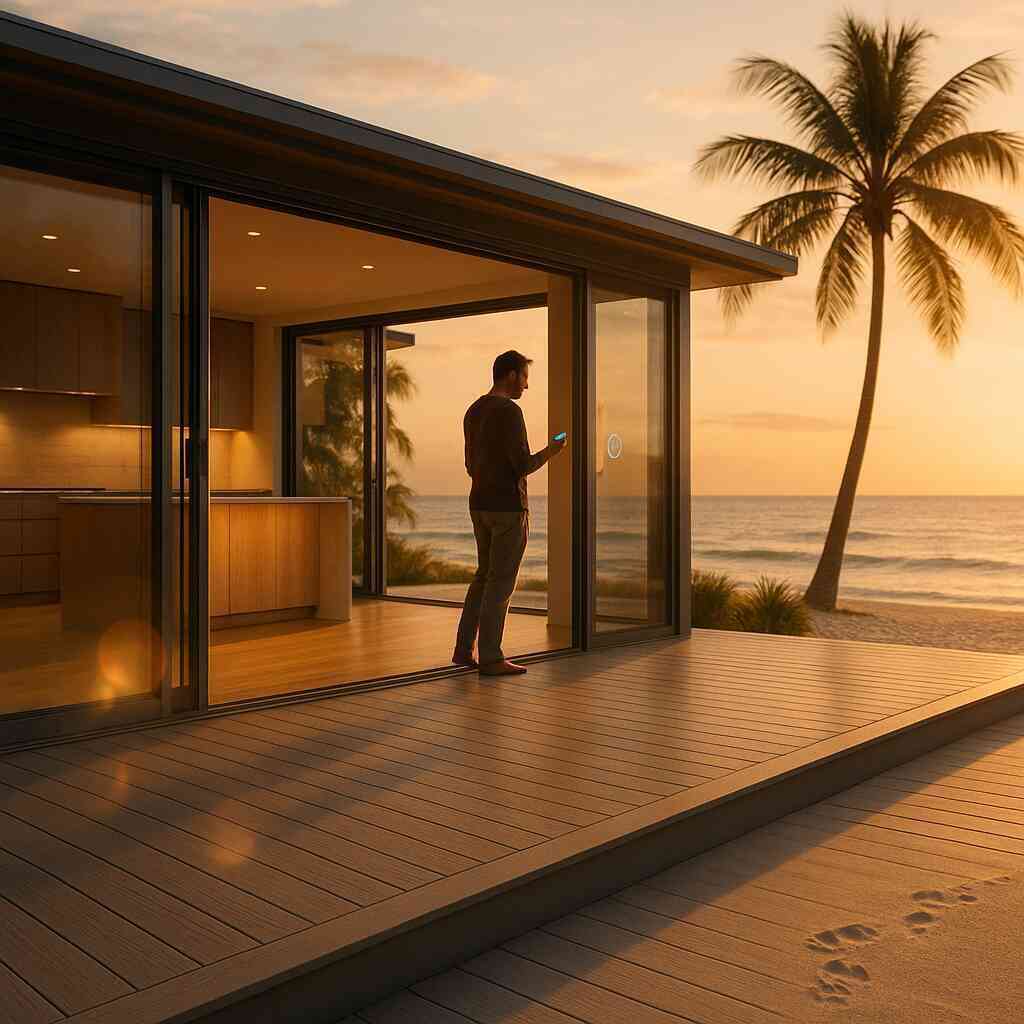
Delray Beach homeowners know that winter brings milder temperatures, lower humidity, and a welcome lull in tropical storms. Those conditions create the perfect window for large-scale renovations. Crews work faster, exterior finishes cure more evenly, and inspectors have shorter backlogs. The result is a smoother project and fewer weather-related delays.
This overview highlights the biggest shifts shaping coastal remodeling in early 2026. It focuses on practical moves that improve durability, comfort, and long-term value in our salt-air environment.
1. Building Envelope Gets Smarter—and Stronger
Energy-Efficient Impact Windows
Triple-pane impact glass is quickly replacing dual-pane units. Homeowners appreciate the quieter interiors and the 10–15 % jump in thermal performance. Manufacturers now integrate low-emissivity coatings tuned for South Florida sun angles, so living rooms stay cooler during the day and warmer on crisp nights.
Closed-Cell Spray Foam
Traditional batt insulation struggles when wind-driven rain sneaks into wall cavities. Closed-cell foam, installed from sill plate to roof deck, forms a rigid moisture barrier and adds meaningful racking strength against hurricane pressure. Crews schedule installation during the winter because the cooler air helps the foam expand uniformly and cut down on curing odors.
Smart Air-Sealing Packages
Builders combine door sensors, gasketed outlets, and blower-door verification to hit tighter air-change targets. A tighter shell reduces pollen infiltration in spring and makes the home simpler to dehumidify when summer returns.
2. HVAC and Controls Evolve for Micro-Climate Living
Variable-Speed Heat Pumps
Older single-stage systems cycle on and off, wasting energy and causing temperature swings. Variable-speed compressors ramp output up or down to match the exact load, which is ideal for Delray’s mild winters. Owners who pair these systems with insulated ductwork report noticeably quieter operation and lower December power bills.
Integrated Smart Thermostats
The newest thermostats learn occupancy patterns, draw weather forecasts, and communicate with window sensors. If a cold front approaches, the system pre-heats living zones while leaving seldom-used guest rooms on standby. Homeowners monitor everything from a single app and receive push alerts if humidity climbs toward mold-friendly levels.
Whole-House Dehumidification
A dedicated dehumidifier, tied into the return plenum, now appears on nearly every high-end renovation. Removing latent moisture allows the heat pump to run at slightly higher coil temperatures, improving efficiency and reducing duct condensation.
3. Coastal-Resilient Materials Take Center Stage
Fiber-Cement and Engineered Wood Siding
Salt spray, sun, and seasonal gusts can beat up natural wood in just a few years. Fiber-cement boards resist swelling and termite damage, while engineered wood with acrylic binders offers a warmer look without the maintenance headaches. Both accept factory-applied finishes that carry 15-year fade warranties.
High-Performance Roofing Assemblies
Architectural-grade shingles now come with modified asphalt blends rated to 130 mph. Many homeowners, however, are migrating to standing-seam aluminum. The reflective surface lowers attic temperatures, and concealed fasteners eliminate the uplift risk common with exposed-screw metal panels. Winter installation gives sealant tapes time to set before the summer bake.
Corrosion-Resistant Fasteners and Connectors
Code already requires stainless or hot-dipped galvanized hardware, but 2026 specs go further. Builders are switching to 316 stainless straps for decks and balconies within 300 ft of the shoreline. The modest cost premium preserves structural integrity and earns credits with insurers focused on risk reduction.
4. Interiors Inspired by Sand and Sea
Warm Neutrals and Natural Textures
Cool gray was everywhere a few years ago; today’s palettes lean sandy beige, soft taupe, and driftwood brown. Textured limestone backsplashes, rift-sawn white oak floors, and matte brass fixtures echo the beach without feeling themed.
Quartz Waterfall Islands
Quartz remains popular for its stain resistance, but the design cue has shifted. Continuous waterfall panels down each side give kitchens a sculptural quality. Subtle veining picks up the layered tones of local dunes.
Low-VOC Everything
Paints, stains, and adhesives with ultra-low off-gassing earn points with community associations and keep indoor air fresher when windows stay closed on chilly nights. Homeowners who suffer allergies notice the difference within days.
5. Project Planning Aligns With Seasonal Cycles
- Design & Permitting (Sep–Nov): Architects finalize drawings while GC teams submit structural calculations that address updated FEMA flood maps.
- Demo & Shell Work (Dec–Jan): Cooler, drier air limits mold growth as interior walls open up. Materials arrive before the holiday shipping crunch.
- Mechanical Rough-ins (Jan–Feb): Electricians and HVAC technicians work in a watertight shell, avoiding the afternoon thunderstorms typical later in the year.
- Finishes & Commissioning (Feb–Mar): Paint, flooring, and millwork install with minimal humidity swings, then systems are balanced before spring rental season starts.
By wrapping up before late March, owners capture peak seasonal rents or simply enjoy their upgraded space just as beach traffic picks up.
6. Sustainability Documentation Becomes the Norm
Homeowner associations and insurers increasingly request evidence of:
- Waste diversion rates
- Locally sourced materials
- Energy modeling or blower-door results
- Formaldehyde-free cabinetry certificates
Contractors provide a concise sustainability packet at project close-out. This paperwork not only satisfies governing bodies but also streamlines resale conversations with eco-conscious buyers.
Key Takeaways
- Winter offers an ideal climate window for heavy coastal work.
- Triple-pane impact windows, closed-cell foam, and variable-speed HVAC top the performance wish list.
- Fiber-cement siding, standing-seam metal roofs, and 316 stainless connectors extend durability.
- Warm neutral finishes and low-VOC products create healthy, beach-inspired interiors.
- Detailed scheduling and sustainability tracking keep projects on time, on budget, and in good standing with community guidelines.
Aligning a renovation with these shifts helps Delray Beach homes stand strong against the elements while delivering the comfort and style owners expect in 2026.
What Are Winter 2026 Shifts in Delray Beach Remodeling


Comments
Post a Comment