Winter Construction Wins: Boost Delray Beach Build ROI 2026
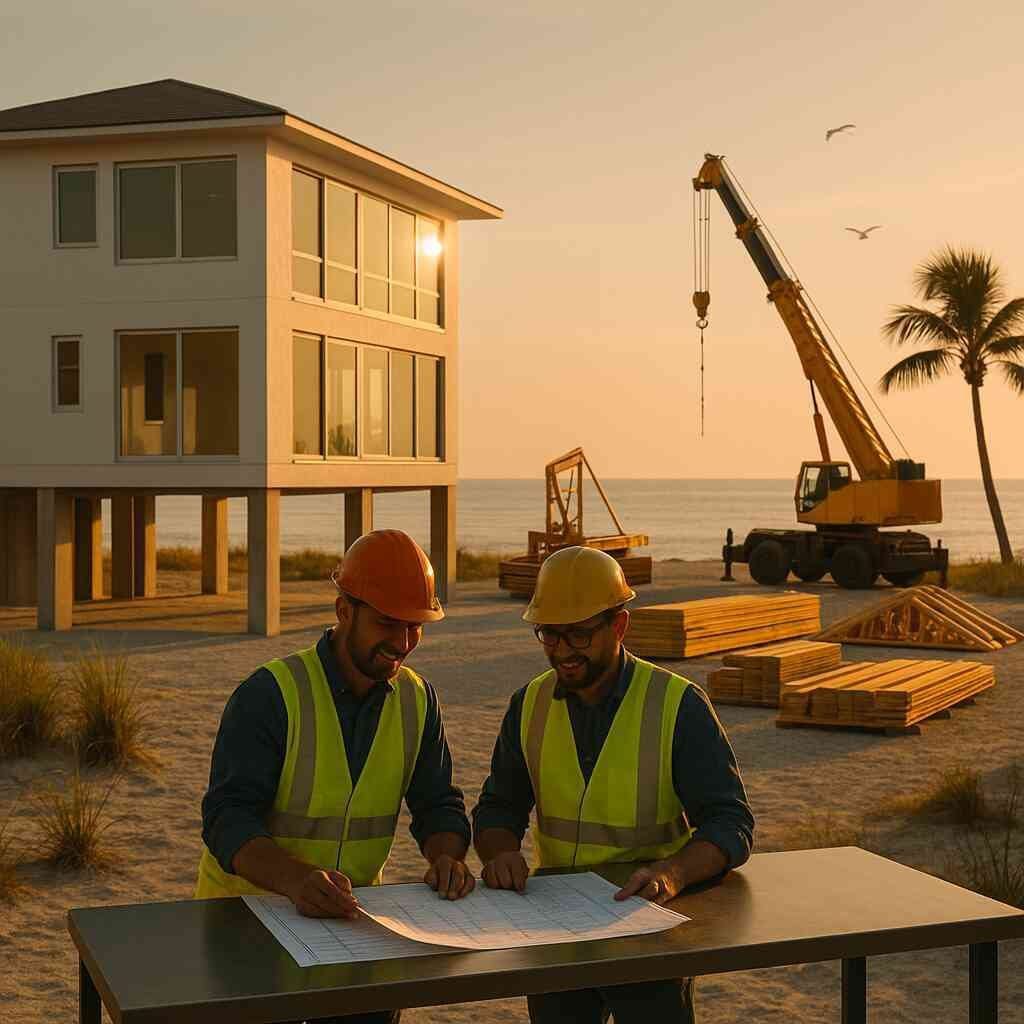
Why Building in a South-Florida Winter Pays Off
The Delray Beach real-estate market never truly sleeps, yet certain windows create outsized returns. Starting a project between November and February turns the region’s climate, labor cycles, and buyer psychology into bottom-line advantages. This guide unpacks how a winter construction strategy can raise your Delray Beach build ROI while trimming risk.
1. Climate Creates a Faster Schedule
Florida’s cooler, drier months mean:
- Quicker concrete curing – Lower humidity shortens set times, keeping crews moving.
- Fewer rain delays – Storm frequency drops, preserving momentum and reducing idle-day costs.
- Material protection – Wood, drywall, and finish products absorb less moisture, cutting the likelihood of callbacks or mildew remediation.
A tighter schedule translates directly into saved carry costs on interest, insurance, and taxes. For custom homes or investor flips, every week shaved can add thousands to the net.
2. Labor Supply Peaks When the Snow Flies Elsewhere
Northern job sites slow in winter, sending many seasoned trades south. Delray Beach contractors who lock in crews early enjoy:
- Stable hourly rates – More competition among subcontractors prevents off-season wage spikes.
- Reduced overtime – Larger labor pools let supervisors hold schedule without premium hours.
- Higher craftsmanship – Access to veteran electricians, tile setters, and finish carpenters elevates final quality, supporting premium listing prices.
3. Smart Procurement Holds the Line on Cost Volatility
Manufacturers often discount overstock before the new fiscal year. Bulk buying in December can secure cabinetry, steel, and roofing at prices 5-10 % below spring quotes. Stockpiled materials shield the budget if commodity markets rebound mid-build.
Key tactics include:
- Issuing purchase orders for long-lead items (windows, HVAC) while factories offer winter promotions.
- Prefinancing sustainable products—low-E glass, recycled decking—when green-building suppliers clear inventory.
- Coordinating deliveries so materials arrive as soon as they can be stored safely, avoiding job-site clutter yet beating price increases.
4. Aligning With Buyer Psychology
Many executives and remote workers spend winter holidays scouting relocation options. A project that breaks ground in January can list by the following spring, coinciding with:
- Peak tourism foot traffic – Open houses capture out-of-state visitors who want turnkey coastal living.
- Relocation cycles – Families plan moves ahead of the new school year, strengthening spring demand for finished homes.
- Tax-planning deadlines – Buyers eager to establish Florida residency before year-end see value in closing mid-summer.
Delivering a fresh, lightly lived-in residence during this window commands a premium over comparable resales.
5. Coastal Resilience as a Profit Center
Delray Beach shoppers weigh storm safety almost as heavily as square footage. A winter start gives ample lead time to integrate features that boost appraisal value and peace of mind:
- Impact glass and reinforced doors
- Elevated floor systems above FEMA base-flood elevation
- Whole-home generators and battery backup
- Corrosion-resistant fasteners and hardware
These details not only reduce future insurance premiums but also shorten negotiations—buyers see quantified durability and are willing to pay for it.
6. The RENOVA Approach: Turning Theory Into Margin
RENOVA’s integrated delivery model couples design, estimating, and field supervision under one contract. That structure matters in winter because decisions happen quickly:
- Pre-construction modeling tests wall assemblies against seasonal moisture loads, preventing mid-job redesigns.
- Live dashboards track earned value and schedule float, so owners can spot slippage before it costs money.
- Transparent documentation—photos, daily logs, milestone videos—builds trust with lenders and future buyers, supporting higher resale offers.
Lean coordination keeps change orders low, protecting both relationships and ROI.
7. Calculating the Financial Uplift
A simplified example highlights the impact:
| Variable | Typical Spring Start | Winter Start |
|---|---|---|
| Project duration | 12 months | 10 months |
| Carrying cost per month | $8,000 | $8,000 |
| Total carrying cost | $96,000 | $80,000 |
| Material escalation | 4 % | 0 – 1 % |
| Added sale premium (earlier listing) | — | +2 % of price |
On a $2 million custom build, the winter schedule saves roughly $16,000 in carry plus $30,000 in avoided escalation. Listing two months sooner at a 2 % premium adds another $40,000. In total, the calendar choice alone can swing more than $85,000 in favor of the investor.
8. Practical Steps for Owners Planning a 2026 Groundbreak
- Finalize drawings by October. Building-department queues thin right before holiday slowdowns, speeding permits.
- Secure funding early. Lenders respond well to documented winter advantages and a proven contractor plan.
- Pre-order long-lead items in November. Windows, doors, and trusses arrive just as slab work begins.
- Schedule framing for December–January. Mild weather helps crews stand walls quickly, locking the shell before the occasional February front.
- Target a May mechanical rough-in inspection. That timing leaves cushion before hurricane season yet allows listing by late summer.
9. Looking Beyond the Build: Lifecycle ROI
ROI does not stop at closing. Homes optimized for Delray’s micro-climate cost less to operate and maintain:
- Spray-foam attics and variable-speed HVAC reduce energy bills.
- Salt-tolerant exterior finishes extend repaint cycles.
- Smart-home monitoring catches small leaks before they become insurance claims.
Lower ownership costs support higher rental rates or resale values, compounding the original construction savings.
Key Takeaways
- Starting between November and February leverages South Florida’s best building weather, trims delays, and shortens loans.
- A larger winter labor pool controls wages and boosts workmanship.
- Strategic material buys lock in pricing ahead of spring volatility.
- Delivering finished homes for peak migration season captures premium buyers.
- Coastal resilience features translate into both safety and higher appraisals.
Winter construction is not just about comfort on the job site—it is a measurable path to stronger margins in 2026. For owners eyeing Delray Beach, timing the groundbreak may be the single most controllable variable for maximizing return on investment.
How RENOVA Defines Winter 2026 Delray Beach Build ROI


Comments
Post a Comment