10 Construction Management Steps That Drive Success in 2026
10 Construction Management Steps That Drive Success in 2026
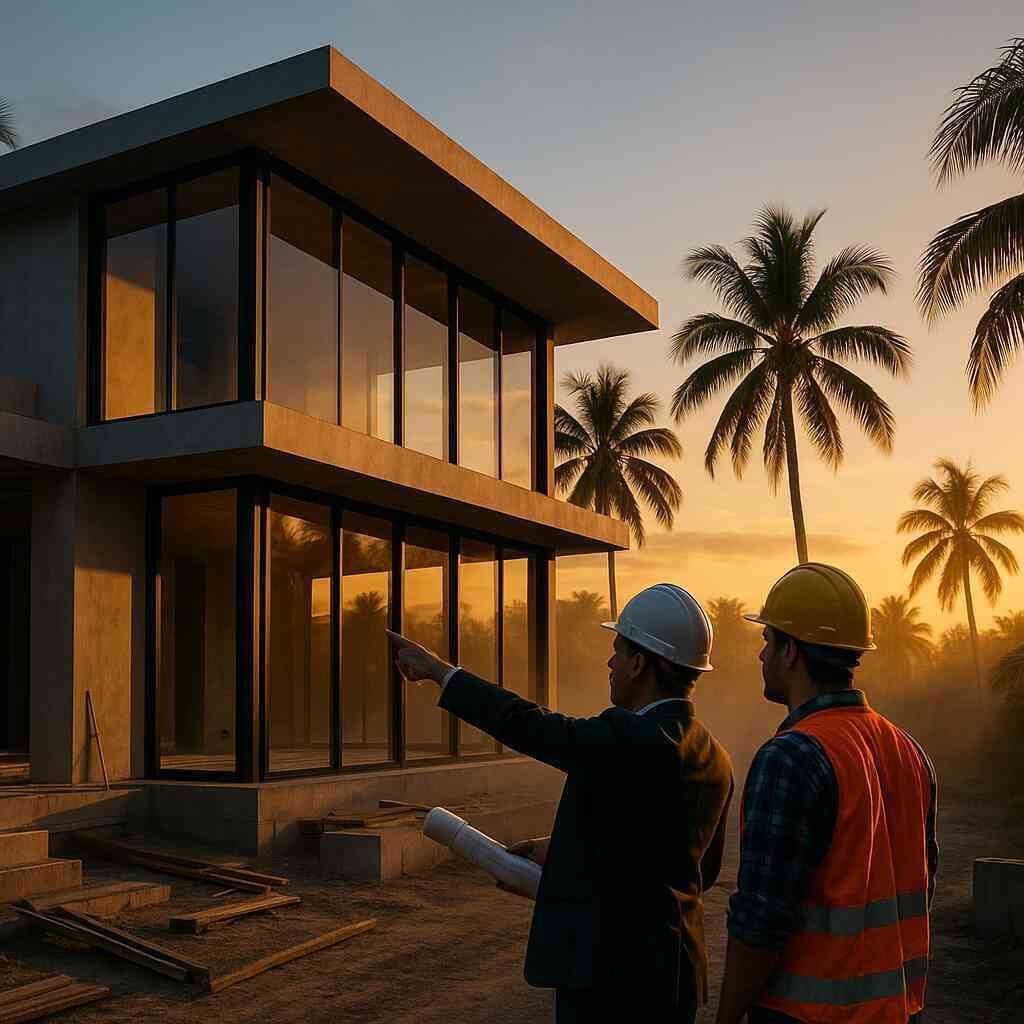
Managing a construction project in South Florida takes more than skill with a hammer. It requires strategic planning, clear communication, and a commitment to quality at every phase. RENOVA, a construction and renovation firm based in the Palm Beach County area, has outlined ten key steps that define strong construction management in 2026. This overview breaks down those steps and explains why each one matters.
1. Understand the Local Construction Landscape
South Florida presents a unique environment for builders. The region's mix of residential, commercial, and custom home projects — combined with its climate and architectural diversity — means that no two projects are alike. Effective construction managers stay current on local market trends, zoning regulations, and material availability. That awareness helps prevent costly surprises down the road.
2. Prioritize Detailed Project Planning
Before a single wall comes down or a foundation is poured, thorough planning is essential. Strong planning aligns resources, timelines, and client expectations from the start. In communities like Delray Beach, this means evaluating the full scope of a renovation early — identifying potential obstacles and building contingency strategies before construction begins.
Good planning also means including the client in the process, not just informing them after decisions are made.
3. Build Transparent Contractor-Client Relationships
Trust is not optional in construction management — it is foundational. When contractors communicate openly and consistently, clients feel informed and confident. RENOVA emphasizes regular project updates and honest conversations at each milestone.
This kind of relationship pays dividends beyond the current project. Many repeat clients return because they felt genuinely heard and respected during a previous engagement.
4. Optimize Construction Timelines
Delays in construction are more than an inconvenience — they carry real financial consequences. Skilled construction managers use advanced scheduling tools to anticipate bottlenecks before they occur. Coordinating material deliveries, subcontractor availability, and inspections in a logical sequence keeps projects moving efficiently.
In a fast-paced market like South Florida, timeline management is a competitive advantage, not just a logistical detail.
5. Embrace Innovative Building Techniques
Technology continues to reshape how custom homes and commercial spaces are built. Building Information Modeling (BIM), for example, allows teams to visualize a full project in a digital environment before breaking ground. This reduces errors and improves communication between architects, engineers, and contractors.
For clients seeking modern, precisely designed spaces, innovative techniques produce measurably better results.
6. Implement Rigorous Quality Control
Quality assurance is not a final-step checkbox — it is an ongoing discipline. Inspections should occur at every major phase of construction, from framing and rough-in work to finishing details. Catching issues early avoids costly rework and keeps the project on schedule.
RENOVA conducts detailed walkthroughs at key stages to ensure that standards are met before moving to the next phase. This approach reflects a commitment to durability and craftsmanship rather than just speed.
7. Manage Budgets Proactively
Budget overruns are one of the most common sources of frustration in construction. Proactive budget management means tracking costs in real time, communicating changes to clients as they arise, and building in reasonable contingency funds from the outset.
Transparent cost reporting builds confidence and keeps everyone aligned when unexpected conditions — like discovering outdated plumbing or structural issues — require adjustments.
8. Coordinate Skilled Labor Effectively
A construction project depends on the right people showing up at the right time with the right expertise. Coordinating skilled tradespeople — electricians, plumbers, tile setters, and others — requires careful scheduling and clear communication.
Having established relationships with reliable subcontractors gives experienced construction managers a significant edge in maintaining quality and timelines.
9. Stay Current on Permits and Compliance
Navigating local permitting requirements is a critical part of any construction project in Florida. Requirements vary by municipality and project type. Missing a permit or failing an inspection can halt progress entirely.
Experienced managers monitor permit applications, renewals, and inspection schedules closely, ensuring compliance without unnecessary delays.
10. Focus on Long-Term Client Satisfaction
The measure of a successful project is not just whether it finished on time and on budget. It is whether the client is genuinely satisfied with the result. That means listening carefully to their vision, managing expectations honestly, and delivering work that holds up over time.
Reputation in the construction industry is built project by project, and long-term client satisfaction is the strongest indicator of a management approach that truly works.
Why These Steps Matter in 2026
The construction industry continues to evolve, and the most effective management strategies in 2026 reflect that change. From digital planning tools to greater emphasis on client communication, the best construction managers combine proven fundamentals with a willingness to adapt.
Whether you are planning a custom home, a kitchen remodel, or a commercial renovation in South Florida, understanding these ten steps can help you evaluate potential partners and set realistic expectations for your own project.
RENOVA Shares 10 Construction Management Steps for 2026


Comments
Post a Comment