2026 Building Code Updates for West Palm Beach Remodeling
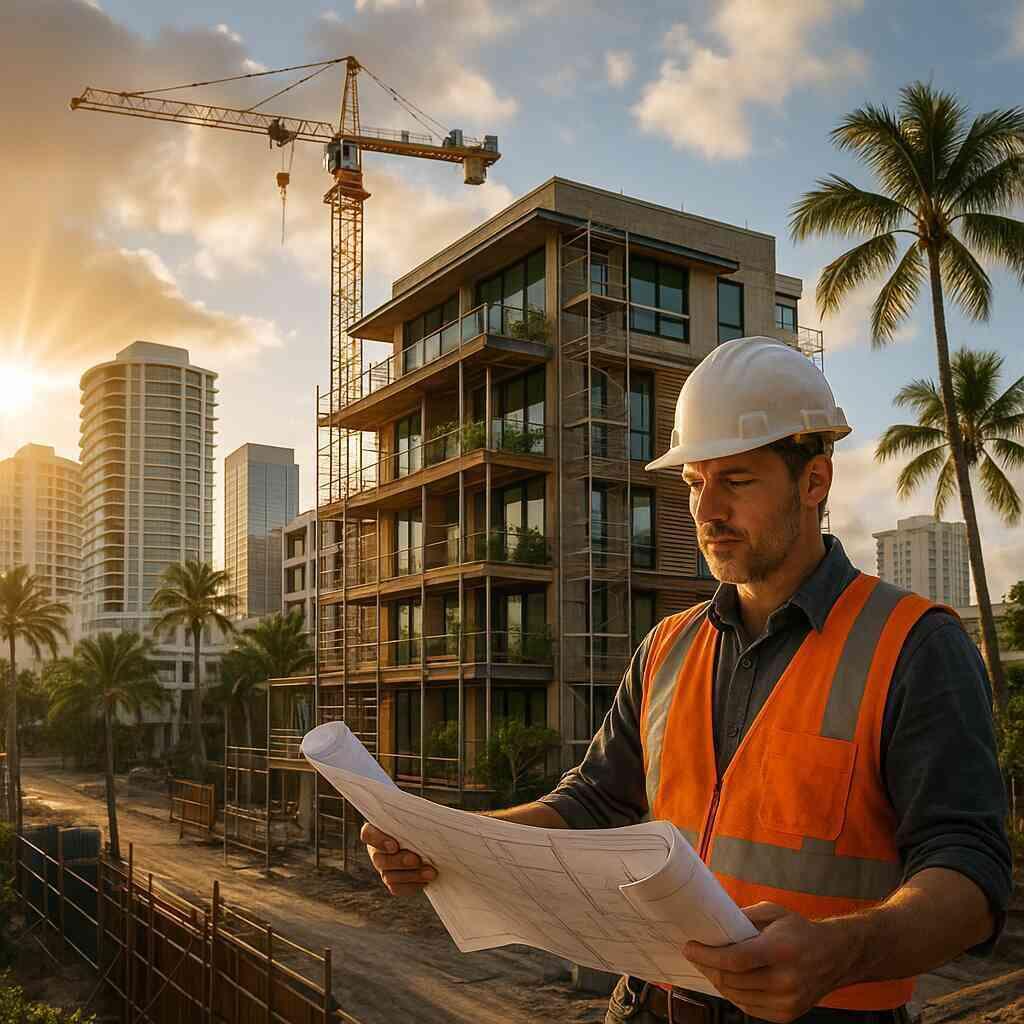
2026 Building Code Updates for West Palm Beach Remodeling
If you are planning a renovation in West Palm Beach this year, understanding the latest building code updates is not optional — it is essential. The 2026 updates touch on structural safety, energy efficiency, flood resilience, fire protection, and noise control, reshaping how contractors and homeowners approach every project.
Why Building Codes Matter More Than Ever
Building codes are not just bureaucratic checkboxes. They reflect hard-learned lessons from hurricanes, flooding, fire events, and shifting environmental conditions. In West Palm Beach, where extreme weather is a real and recurring concern, staying current with code changes directly affects the safety, durability, and long-term value of any property.
For contractors, falling behind on code updates can mean project delays, failed inspections, and costly rework. For homeowners, non-compliant renovations can affect insurance coverage and resale value. Staying informed is a practical investment, not just a legal obligation.
Structural Safety and Hurricane Resilience
One of the most significant areas of the 2026 code updates is structural resilience — particularly against hurricanes. South Florida's exposure to tropical storms makes this a top priority.
Key changes in this area include:
- Stronger roofing systems with improved fastening requirements and wind-resistance ratings
- Reinforced foundation standards designed to hold up against storm surge and high-velocity winds
- Impact-resistant window and door requirements for new construction and major renovations
These standards are not new in concept, but the 2026 updates raise the bar on materials and installation methods. Contractors working in Palm Beach County need to be fluent in these requirements before breaking ground.
Fire Safety Upgrades
Fire safety codes have also been strengthened. The focus this cycle is on integrating more advanced fire suppression systems and using materials that slow the spread of flames.
For residential renovations, this can mean:
- Updated sprinkler system requirements in larger homes and multi-unit buildings
- Stricter standards for fire-rated wall assemblies between living spaces
- New requirements for smoke and carbon monoxide detection placement
These changes align with national trends in fire safety but are tailored to Florida's specific construction styles and climate conditions.
Flood Zone Construction Standards
Flooding is an increasingly serious issue in coastal Florida. The 2026 updates expand on flood zone construction standards, requiring more precise elevation strategies and site planning for properties in designated flood-prone areas.
If your property sits in a FEMA-designated flood zone, expect:
- Higher base flood elevation requirements for new builds and substantial renovations
- Stricter drainage and stormwater management plans
- Use of flood-resistant materials in below-grade or at-risk areas
These regulations are directly tied to federal flood insurance program compliance, so ignoring them carries real financial consequences.
Energy Efficiency and Green Building Standards
Sustainability is a growing focus in the 2026 building code framework. West Palm Beach is moving in step with Florida's broader push toward energy-efficient construction and green building certifications.
Updates in this area include:
- Higher insulation requirements for walls, ceilings, and floors
- Improved HVAC efficiency standards, including variable-speed system incentives
- Solar-readiness provisions for new residential construction
- Tighter standards for windows and doors to reduce heat gain
For homeowners, these changes often translate into lower utility bills and improved indoor comfort. For contractors, they require updated knowledge of materials and installation best practices.
Noise Control Regulations
Noise control is a newer addition to the regulatory conversation. The 2026 updates introduce clearer standards for sound attenuation between units in multi-family buildings and between rooms in high-density residential projects.
This includes guidance on:
- Soundproofing materials between shared walls and floors
- Mechanical equipment placement to reduce noise transmission
- HVAC duct design to minimize sound transfer
For those renovating condos, townhomes, or mixed-use spaces, these regulations deserve careful attention during the design phase.
What This Means for Your 2026 Renovation
Whether you are updating a kitchen, adding a room, or undertaking a full home renovation, the 2026 code updates will likely touch your project in at least one area. Working with a licensed general contractor who is current on these standards is the most reliable way to ensure your renovation is both compliant and built to last.
It is also worth noting that some of these updates may qualify your project for insurance discounts or energy efficiency incentives — making early compliance not just a legal necessity but a smart financial decision.
This overview is a starting point. Before finalizing any renovation plans in West Palm Beach, consult with a licensed contractor or building official to confirm exactly how the 2026 updates apply to your specific project and property type.
What Are the Building Code Updates for West Palm Beach Remodeling 2026


Comments
Post a Comment