5 Commercial Renovation Trends Shaping Business Spaces in 2026
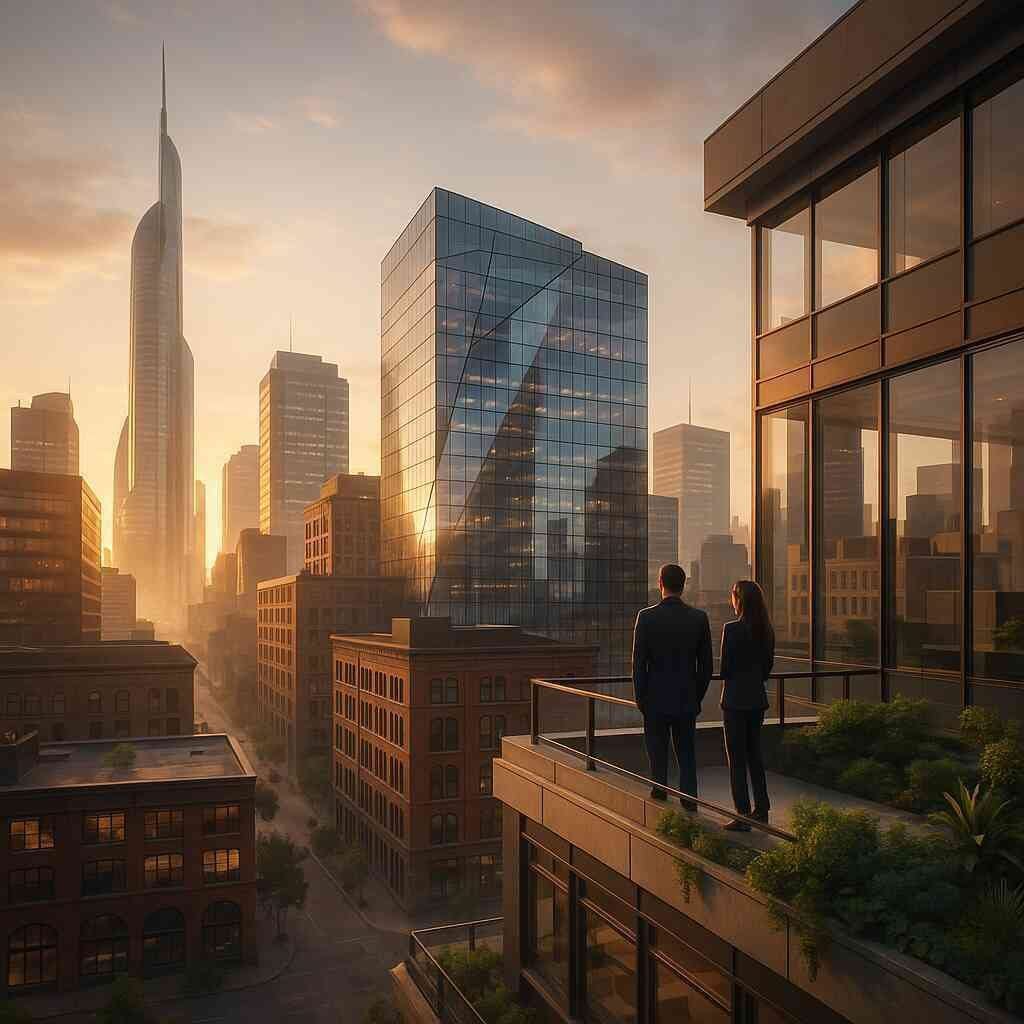
5 Commercial Renovation Trends Shaping Business Spaces in 2026
Commercial renovation in 2026 looks very different from what it did even a few years ago. Businesses are demanding spaces that are smarter, greener, and more adaptable — and the construction industry is responding in meaningful ways. This overview breaks down the five most significant trends defining commercial renovation right now, based on insights from RENOVA, a South Florida-based renovation firm with a strong foothold in commercial construction and design.
1. Sustainable Building Practices Are No Longer Optional
Sustainability has moved from a selling point to a baseline expectation in commercial construction. Clients want projects that use eco-friendly materials, achieve green certifications, and reduce long-term operational costs.
Some of the most common sustainable choices include:
- Reclaimed wood and recycled metals — These reduce raw material consumption while adding character to a space.
- Advanced insulation systems — Better insulation cuts heating and cooling costs significantly.
- Energy-efficient lighting and HVAC — Smart systems lower energy use and carbon output.
Green building certifications are also gaining traction. Earning these credentials signals that a project meets rigorous environmental standards, which tends to improve both property value and tenant satisfaction. For businesses in regions like South Florida, where energy demands are high, these upgrades deliver real financial returns over time.
2. Adaptive Reuse Projects Are Transforming Urban Areas
Adaptive reuse — converting older or underutilized buildings into new functional spaces — is one of the most compelling trends in commercial renovation today. Rather than demolishing existing structures, contractors and developers are finding creative ways to repurpose them.
Old warehouses are becoming modern office parks. Dated factories are being reimagined as retail environments or mixed-use hubs. This approach accomplishes several things at once:
- It reduces construction waste.
- It preserves architectural history and neighborhood character.
- It often costs less than ground-up construction.
The challenge lies in balancing historical preservation with the demands of modern tenants. Done well, adaptive reuse creates spaces that feel both grounded and forward-looking — a combination that resonates strongly in today's market.
3. Smart Building Technology Is Reshaping How Spaces Function
The Internet of Things (IoT) has moved well beyond consumer gadgets. In commercial spaces, connected technology now drives real operational improvements.
Smart building systems can monitor energy consumption in real time, adjust lighting and climate controls automatically, and generate data that helps facility managers make better decisions. For businesses with large commercial footprints, these tools can reduce waste and improve the daily experience for employees and customers alike.
Key smart building features gaining adoption in 2026 include:
- Automated HVAC and lighting controls
- Occupancy sensors that optimize space usage
- Integrated security and access management systems
- Real-time energy monitoring dashboards
Integrating these systems during a renovation — rather than retrofitting them later — is far more cost-effective and yields better results.
4. Mixed-Use Development Is Gaining Momentum
Mixed-use spaces — where retail, office, residential, and hospitality functions coexist — are becoming a dominant model in commercial development. This trend reflects a broader shift in how people want to live and work.
Urban areas benefit from mixed-use development because it reduces commute times, activates neighborhoods throughout the day, and makes more efficient use of limited real estate. For property owners, it also spreads risk across multiple revenue streams.
From a renovation standpoint, designing for mixed use requires careful planning around zoning, accessibility, shared infrastructure, and tenant needs. It is complex work, but the demand is strong and growing.
5. Commercial Property Value Is Driving Design Decisions
More than ever, commercial renovation decisions are being evaluated through the lens of return on investment. Owners want to know how a renovation will affect their property's market value, lease rates, and occupancy.
This practical mindset is shaping design priorities. Features that enhance long-term value — like durable finishes, flexible floor plans, and upgraded mechanical systems — are being prioritized over purely aesthetic choices.
It is also pushing clients to work more closely with contractors who understand both design and construction management. A team that can connect design decisions to real financial outcomes brings a lot more value to the table.
Final Thoughts
Commercial renovation in 2026 is defined by a convergence of sustainability, technology, and adaptive thinking. Whether you are planning a full buildout or a targeted upgrade, understanding these trends can help you make smarter decisions about where to invest. The spaces that will perform best over the next decade are the ones being designed and built with these principles in mind today.
RENOVA Reveals Top 5 Commercial Renovation Trends in 2026


Comments
Post a Comment