7 Commercial Remodeling Mistakes Contractors Must Avoid in 2026
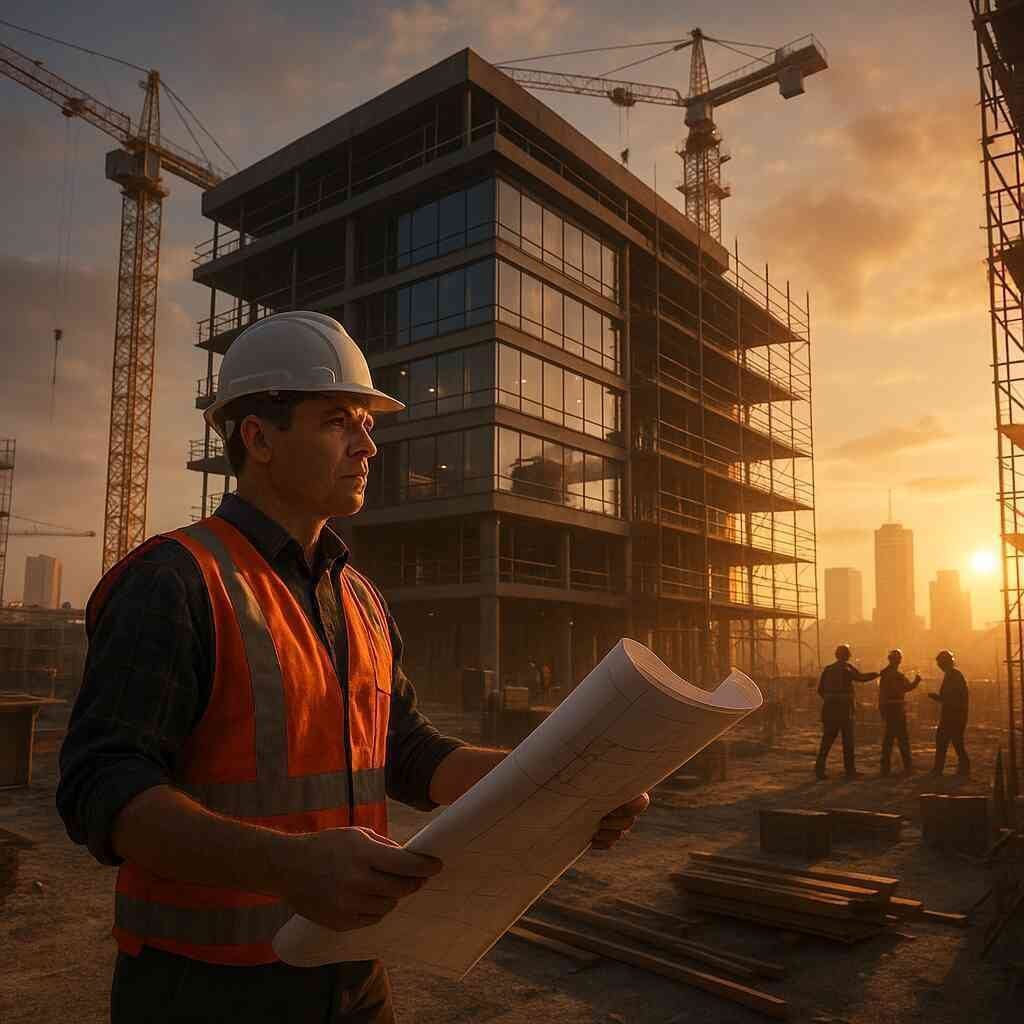
7 Commercial Remodeling Mistakes Contractors Must Avoid in 2026
Commercial remodeling projects are complex, high-stakes undertakings. When contractors make avoidable mistakes, the consequences ripple across budgets, timelines, client relationships, and long-term reputation. This overview breaks down seven of the most common errors showing up in commercial remodeling work in 2026 — and what smarter practice looks like.
1. Failing to Define a Clear Project Scope
Vague project parameters are one of the fastest routes to conflict and cost overruns. Without a well-documented scope, it becomes nearly impossible to keep all stakeholders aligned.
Strong scope definition should include:
- Detailed client consultations before any work begins
- Comprehensive site evaluations
- Written documentation of all project goals and deliverables
- Clear milestone markers and approval checkpoints
When scope is ambiguous from the start, scope creep becomes almost inevitable. That creep quietly inflates costs and erodes timelines without anyone catching it early enough.
2. Underestimating Budgets and Renovation Costs
Budget overruns remain one of the most persistent problems in commercial remodeling. They often stem from inadequate planning, missed material costs, and underestimated labor.
Accurate cost estimation requires going well beyond rough numbers. Contractors should:
- Document every line item in detail
- Account for contingency funds (typically 10–15% of total project cost)
- Use estimation software to model different scenarios
- Revisit estimates as designs evolve
Transparent communication with clients about realistic budgets from day one prevents the uncomfortable conversations that come later when numbers don't add up.
3. Ignoring Current Construction Industry Trends
Commercial clients in 2026 expect contractors to be informed about modern materials, construction technologies, and design approaches. Falling behind on industry trends can make a contractor's proposals feel outdated before a project even begins.
Staying current means actively following shifts in:
- Sustainable building materials
- Energy-efficient systems and HVAC advancements
- Modular and prefabricated construction methods
- Contemporary commercial design aesthetics
Contractors who invest time in ongoing education and industry awareness consistently produce work that better meets client expectations.
4. Overlooking Sustainable and Energy-Efficient Design
The push toward greener, more efficient commercial spaces is no longer a niche preference — it is a mainstream expectation. Many clients now factor energy performance and environmental responsibility into their decision-making when selecting contractors.
Neglecting sustainable design can result in:
- Higher long-term operational costs for the client
- Missed opportunities for LEED certification or similar designations
- A weaker competitive position against firms that prioritize green building
Integrating energy-efficient solutions into standard practice — not as an add-on — signals maturity and forward thinking.
5. Poor Resource Allocation and Workforce Management
Even a well-budgeted project can go sideways when resources are poorly deployed. This includes both physical materials and skilled labor. Mismanaging either creates bottlenecks, unnecessary waste, and missed deadlines.
Effective resource management involves:
- Planning material deliveries to match construction phases
- Matching worker skill sets to the tasks at hand
- Monitoring utilization rates and adjusting in real time
- Avoiding over-staffing in early phases and under-staffing at critical points
A dynamic, adaptive approach to resource planning — rather than a static schedule — produces better outcomes across all project sizes.
6. Weak Communication Across Project Stakeholders
Breakdowns in communication between contractors, subcontractors, clients, and inspectors are responsible for a significant share of commercial remodeling problems. Assumptions fill the gaps that clear communication should occupy.
Best practices include regular structured updates, documented decisions, and shared project management platforms that give all parties visibility into progress and changes. When everyone operates from the same information, fewer surprises derail the work.
7. Skipping Thorough Pre-Construction Planning
Rushing into execution without thorough pre-construction planning is a mistake that compounds over the life of a project. Issues that could have been identified and resolved during planning become expensive mid-project corrections.
Pre-construction planning should cover:
- Permitting requirements and code compliance review
- Structural assessments of existing conditions
- Risk identification and mitigation strategies
- A realistic phased construction schedule
Time invested before breaking ground almost always pays dividends in smoother execution and fewer costly surprises.
Final Thoughts
Commercial remodeling success in 2026 depends on disciplined planning, current industry knowledge, and honest communication at every stage. The mistakes outlined here are not rare edge cases — they are common patterns that experienced contractors learn to systematically avoid. Recognizing these pitfalls early gives any contracting team a stronger foundation for delivering projects that meet client expectations and protect the bottom line.
Top 7 Commercial Remodeling Mistakes Contractors Make in 2026


Comments
Post a Comment