Avoid These 7 Costly Budget Mistakes in South Florida New Construction
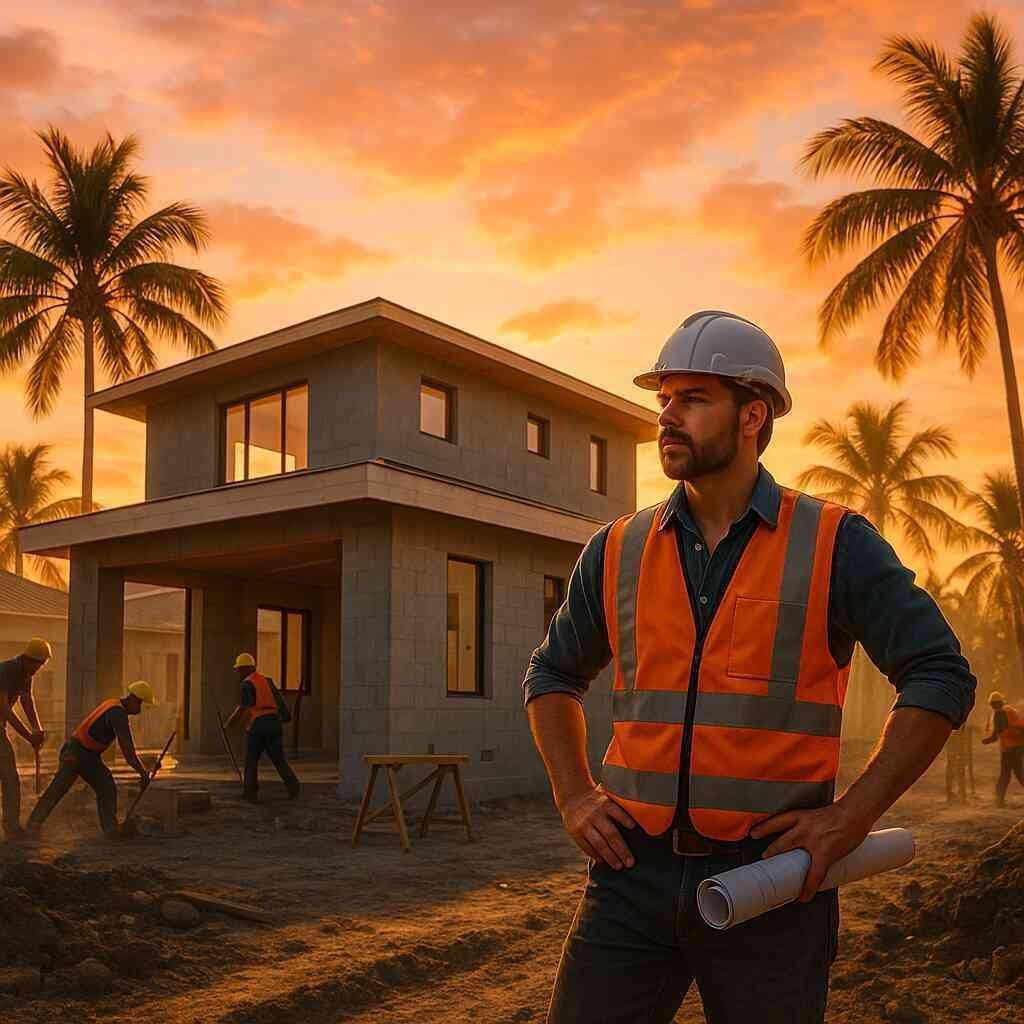
Avoid These 7 Costly Budget Mistakes in South Florida New Construction
Building a new home in South Florida comes with a distinct set of financial challenges that many homeowners underestimate. From unpredictable terrain to volatile material costs, knowing where budgets typically go wrong can save you thousands of dollars and months of delays.
This overview breaks down the seven most common budget mistakes made in South Florida new construction projects — and what you can do to avoid them.
1. Overlooking Site-Specific Challenges
South Florida's landscape is unlike most of the country. The high water table, sandy soil composition, and coastal erosion risks can all drive up foundation and site preparation costs significantly.
Many homeowners skip a proper site assessment before finalizing their budget. This is a costly error. Issues discovered mid-construction are far more expensive to address than problems identified during the planning phase.
What to do instead: Commission a full geotechnical and environmental site assessment before breaking ground. Build any remediation costs into your baseline budget.
2. Misjudging Material Costs
Building material prices are notoriously volatile. Global supply chain disruptions and seasonal demand spikes in South Florida can cause prices to shift quickly — sometimes between the time a project is quoted and when materials are actually ordered.
Buyers who lock in a budget based on early estimates without accounting for price fluctuation often find themselves short when it matters most.
What to do instead: Work with suppliers who have strong local ties and can provide real-time pricing insights. Consider locking in prices on high-cost materials early when feasible.
3. Underestimating Labor Expenses
Labor costs in South Florida are driven by high demand, specialized skill requirements, and the area's cost of living. Contractors who are experienced with hurricane-resistant construction techniques and local building codes often command a premium — and for good reason.
Cutting corners on labor to save money upfront frequently leads to rework, code violations, and expensive corrections later.
What to do instead: Research going rates for licensed tradespeople in your specific area. Pad your labor budget by at least 10–15% as a buffer for scheduling changes or scope adjustments.
4. Ignoring Permit and Regulatory Costs
South Florida has some of the most detailed building codes in the country, shaped largely by hurricane preparedness requirements. Permit fees, inspection costs, and compliance upgrades are easy to underestimate — especially for those new to building in the region.
Delays tied to permit approvals can also stretch timelines, which adds indirect costs through extended financing periods and contractor holding fees.
What to do instead: Work with a licensed general contractor who knows the local permitting process well. Factor permit timelines and fees into both your schedule and budget from day one.
5. Failing to Plan for Contingencies
No construction project goes exactly as planned. Weather delays, subcontractor availability, and unexpected site conditions are all common realities in South Florida.
A budget with no contingency fund is a budget waiting to fail. Many experts recommend setting aside 10–20% of your total project cost specifically for unforeseen expenses.
What to do instead: Treat your contingency fund as a non-negotiable line item — not an afterthought. If you don't use it, consider it a bonus. If you do need it, you'll be grateful it exists.
6. Undervaluing Pre-Construction Planning
Rushing into construction without thorough pre-construction planning is one of the most expensive shortcuts a homeowner can take. Skipping this phase often results in design changes mid-build, which are costly and disruptive.
Pre-construction planning helps align your vision, your budget, and your construction team before any physical work begins.
What to do instead: Invest time in detailed design reviews, value engineering sessions, and contractor consultations before finalizing contracts. Changes on paper cost a fraction of what they cost in the field.
7. Choosing the Wrong Contractor
The contractor you hire has more influence over your final budget than almost any other decision you make. An inexperienced or unlicensed contractor may offer lower bids but can introduce costly mistakes, delays, and liability risks.
In South Florida specifically, local experience matters. Contractors unfamiliar with regional codes, climate considerations, and supplier networks can inadvertently inflate costs.
What to do instead: Vet contractors carefully. Look for licensing, local project history, and transparent communication about how they manage budgets and timelines.
Final Thoughts
Building in South Florida in 2026 offers tremendous opportunity, but only when approached with careful financial planning. The seven mistakes outlined here are all avoidable with the right preparation, the right team, and a realistic budget built on local knowledge.
Taking the time to understand these pitfalls before your project begins is one of the smartest investments you can make.
Top 7 Budget Mistakes in South Florida New Construction


Comments
Post a Comment